Palermo
Inside “Ballarò”
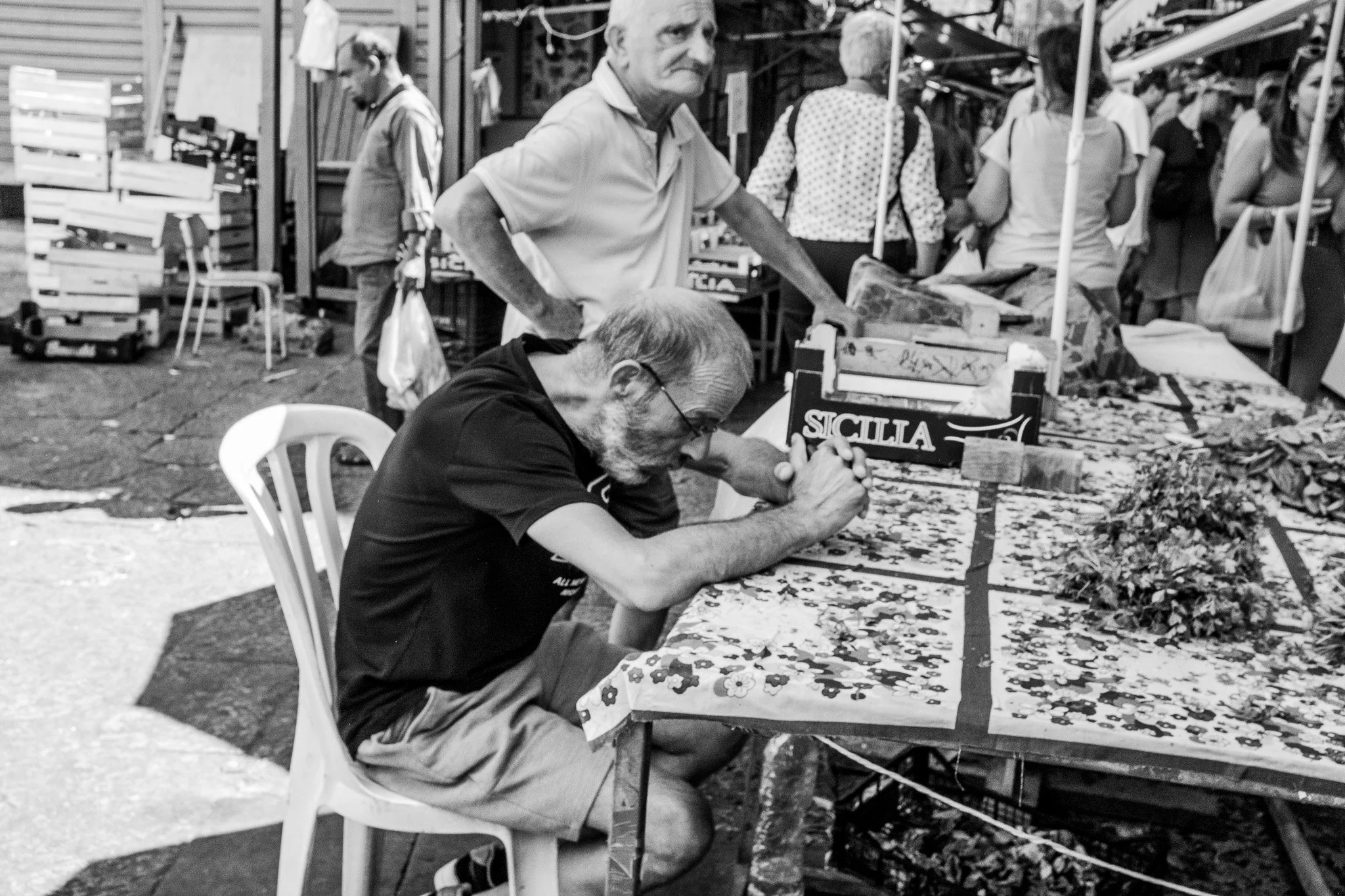
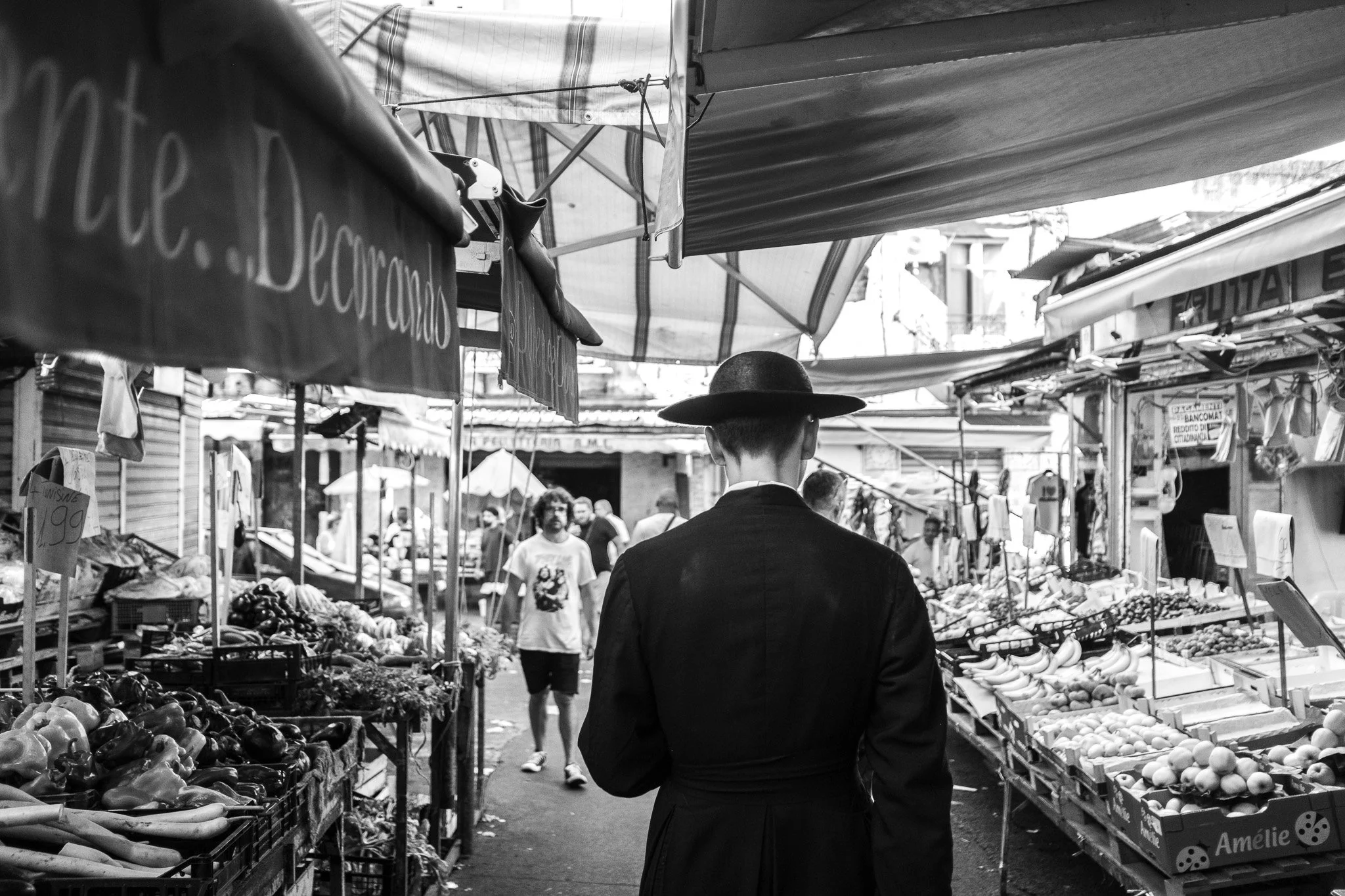
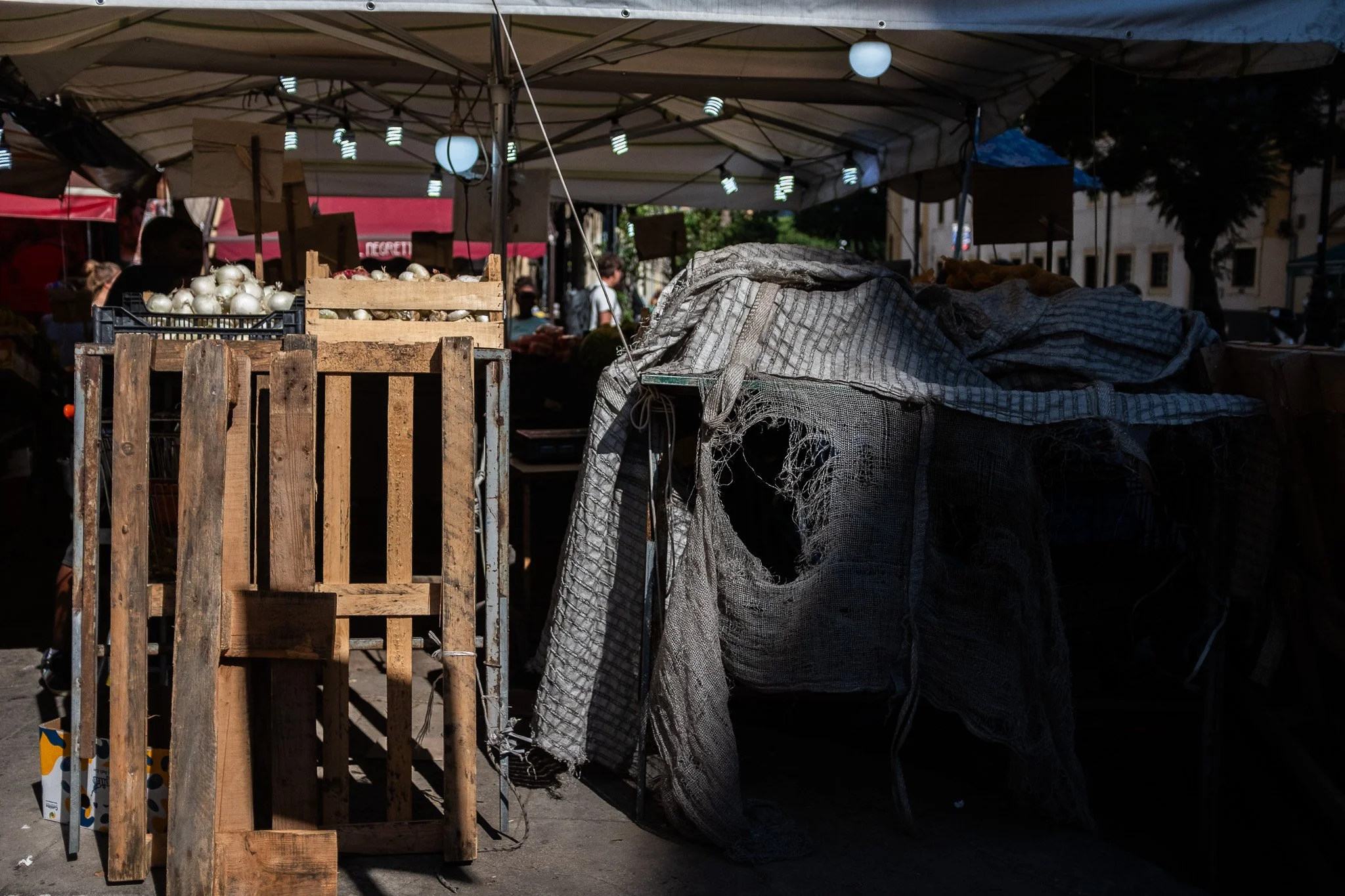
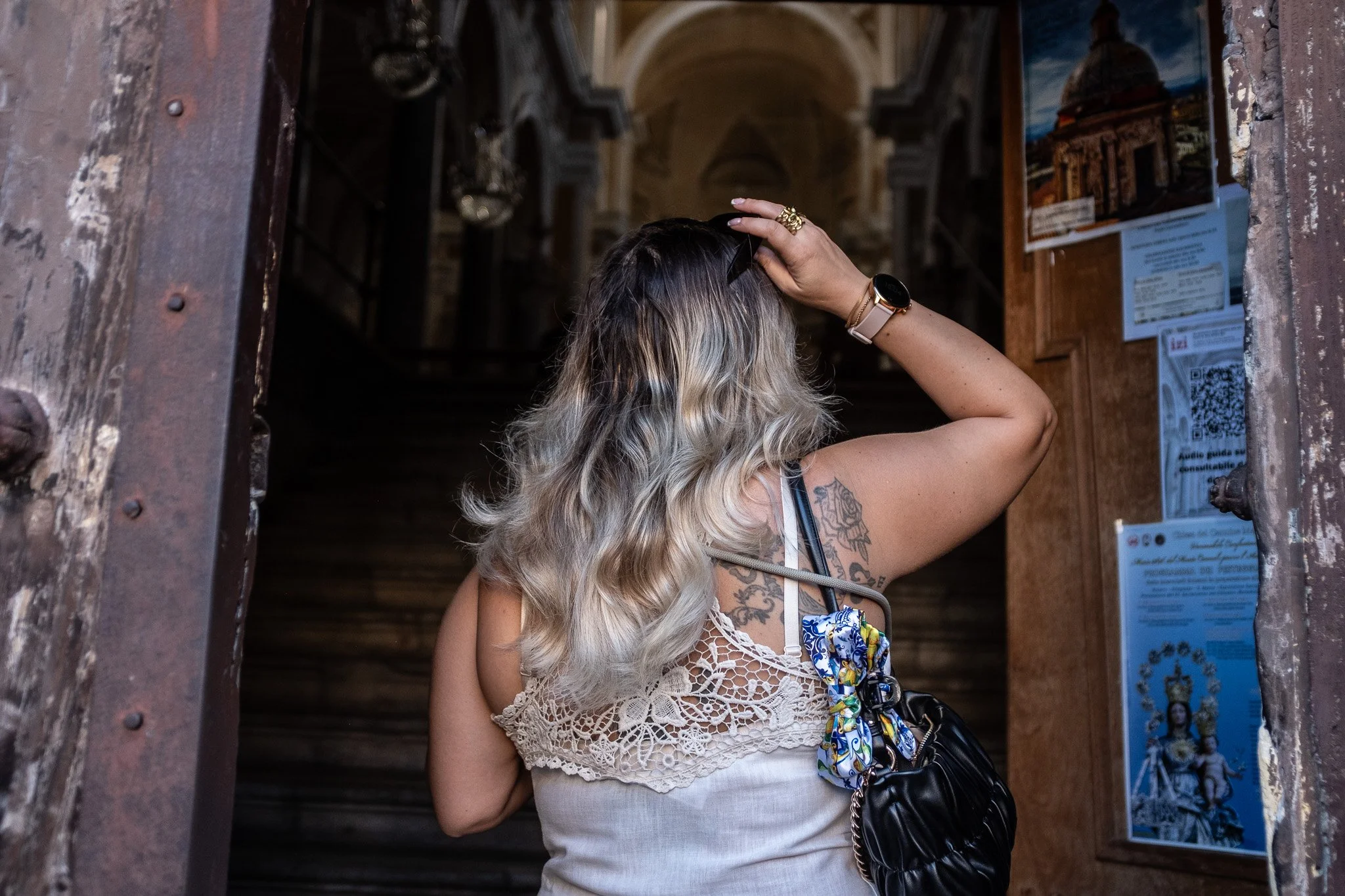
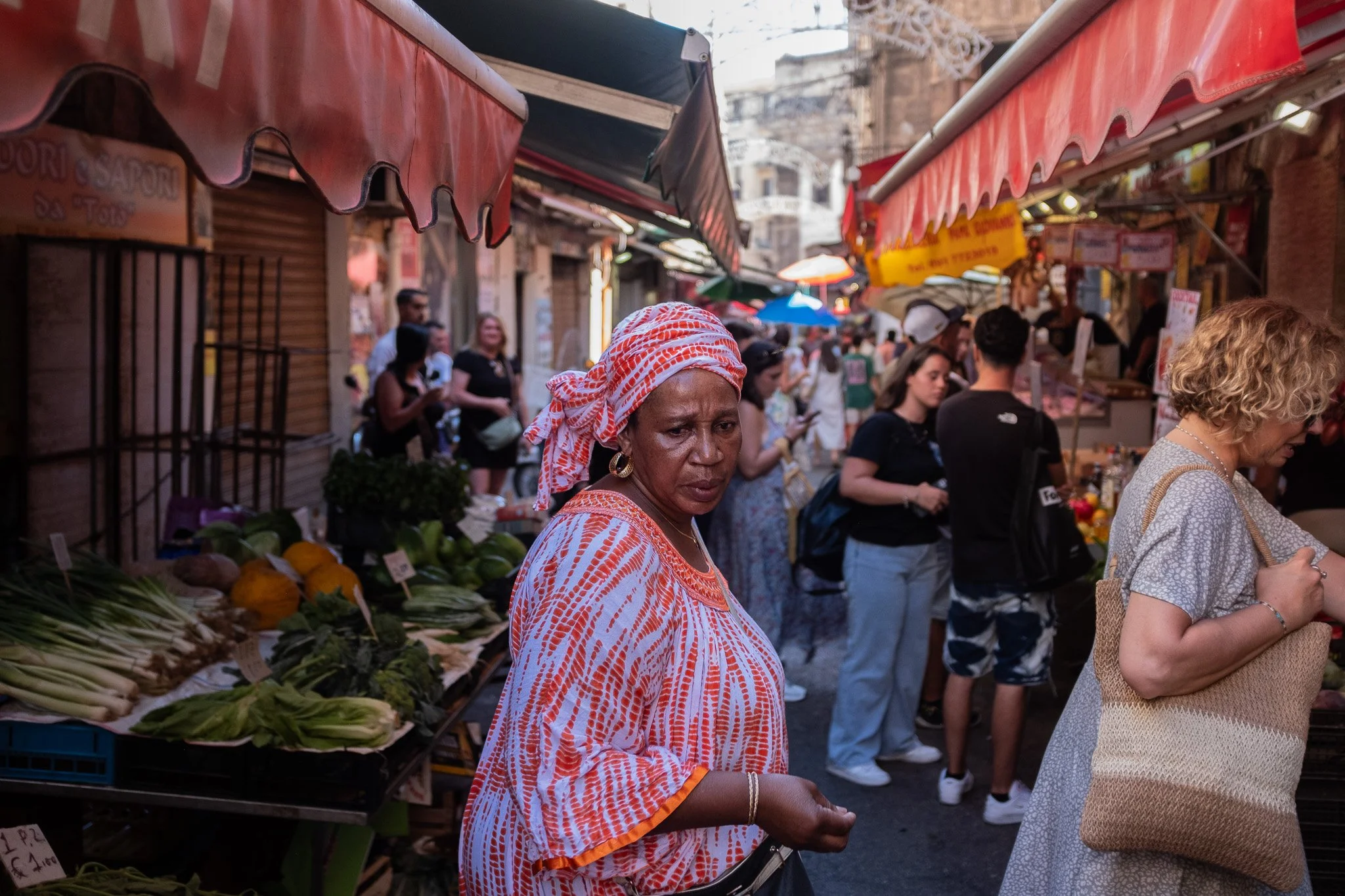
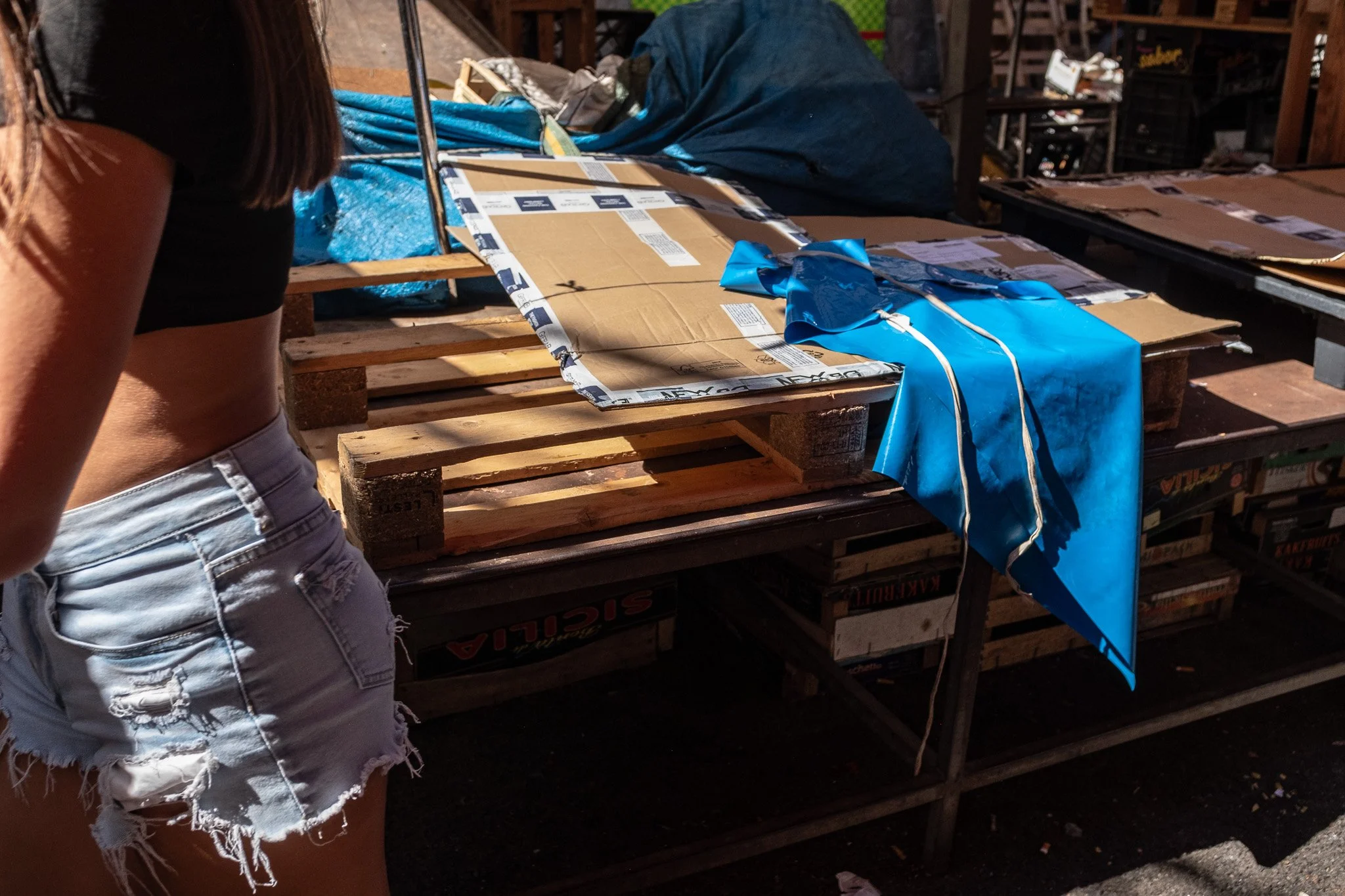
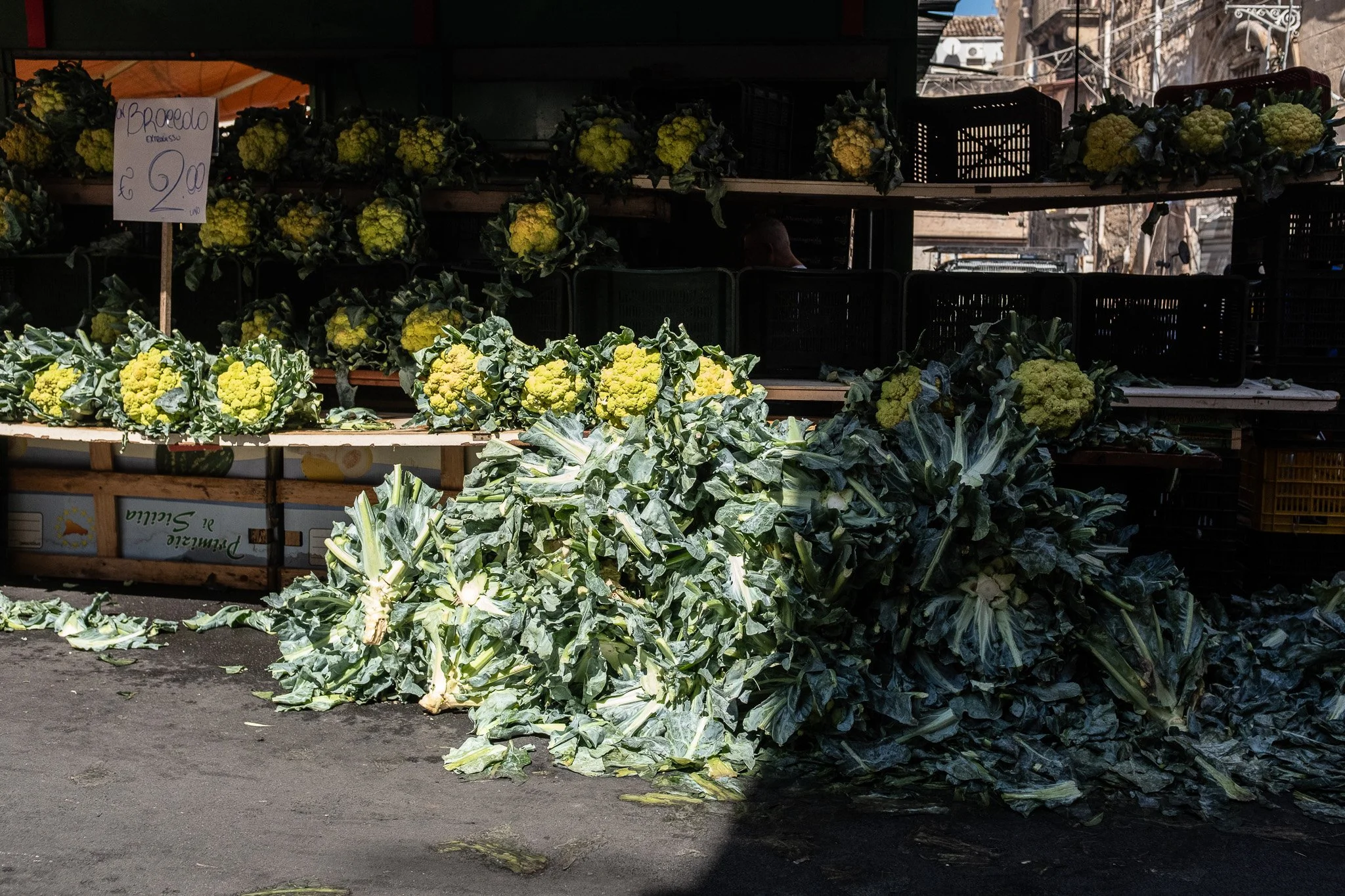
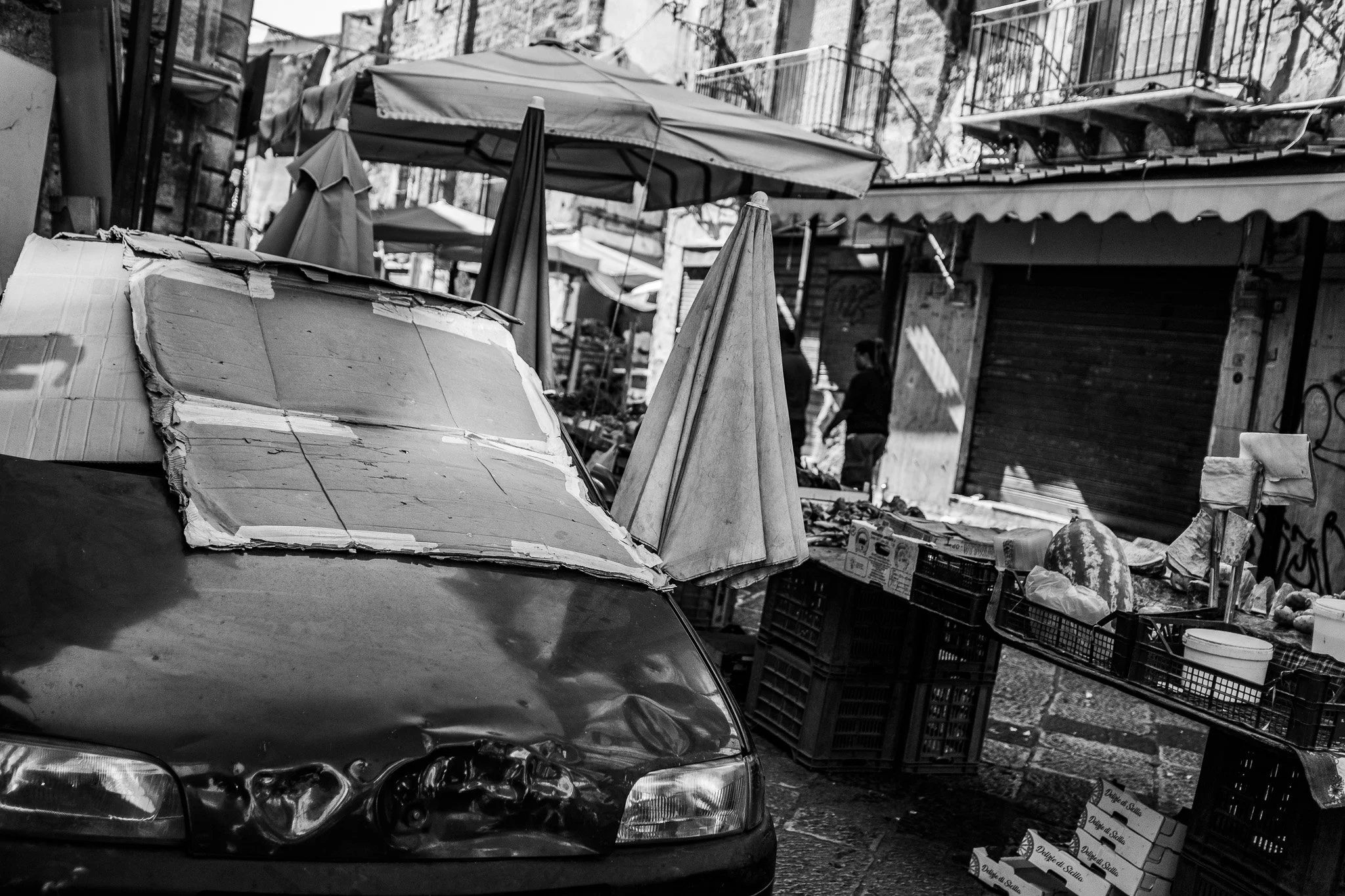
Ballarò is one of Palermo's liveliest and most diverse historic districts, located in the heart of the old city between Via Maqueda and Corso Tukory. Its name is inextricably linked to the market of the same name, one of the oldest in the city, which has been a place of trade, meeting, and daily survival for centuries.
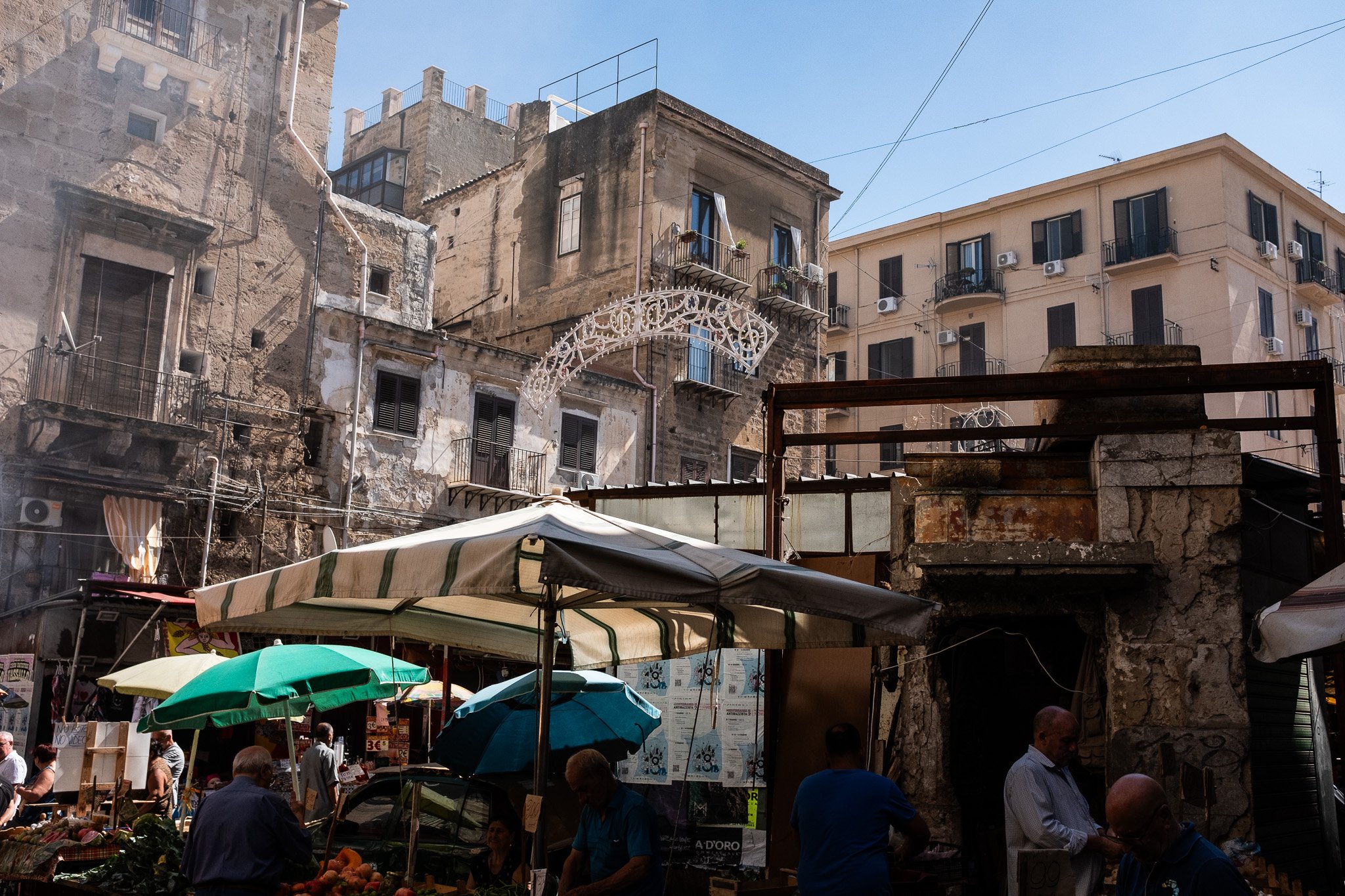
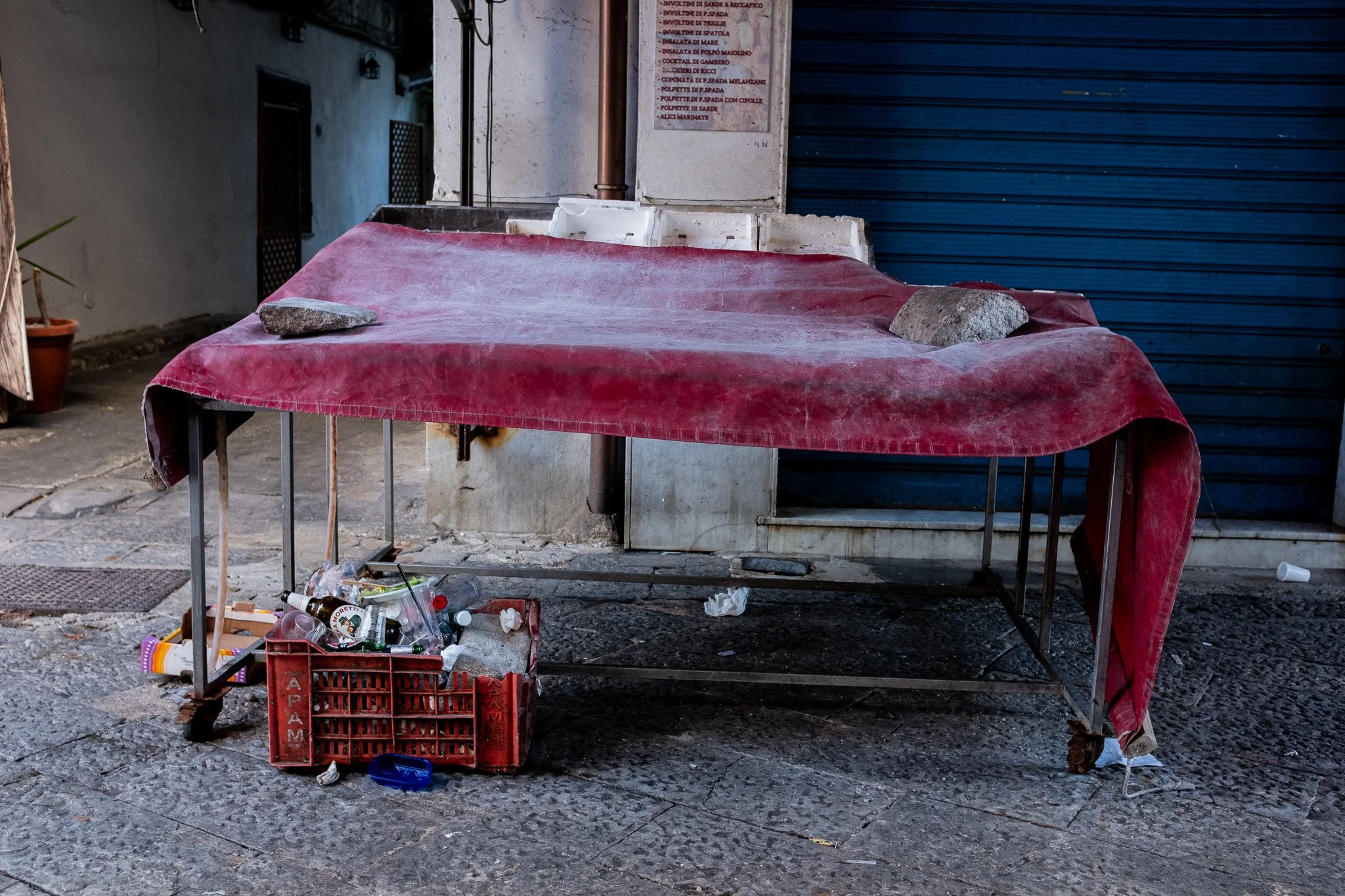
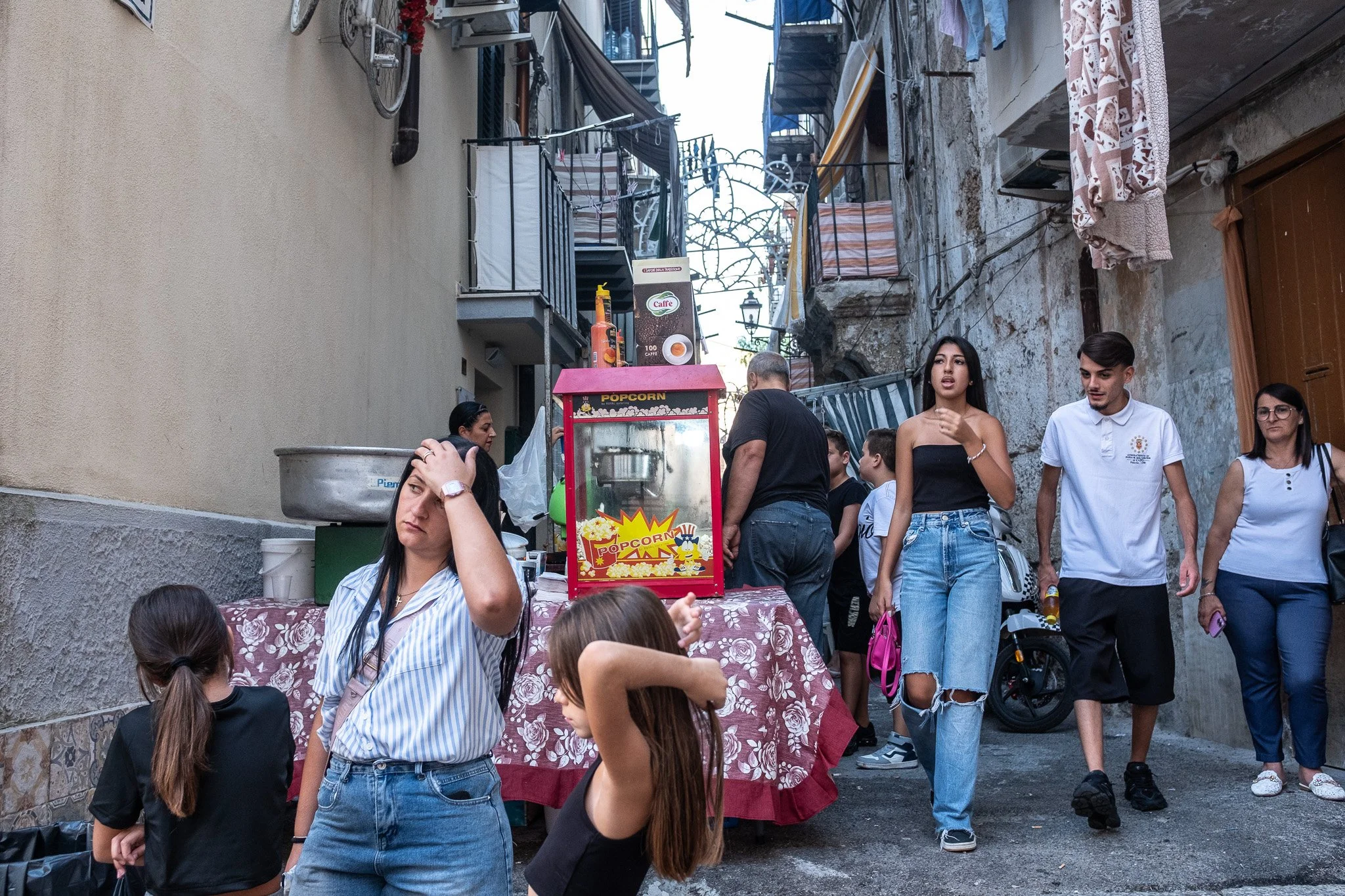
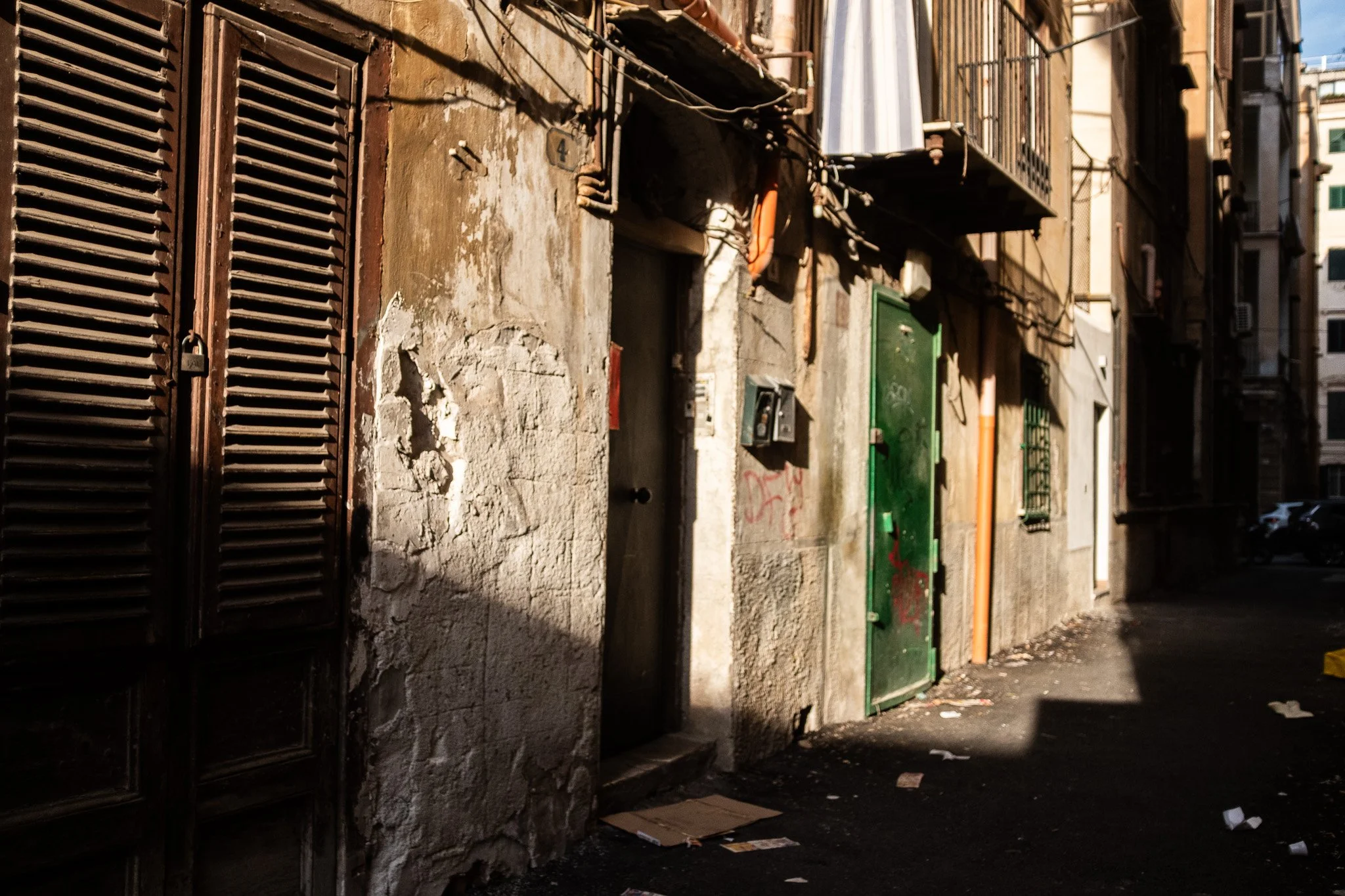
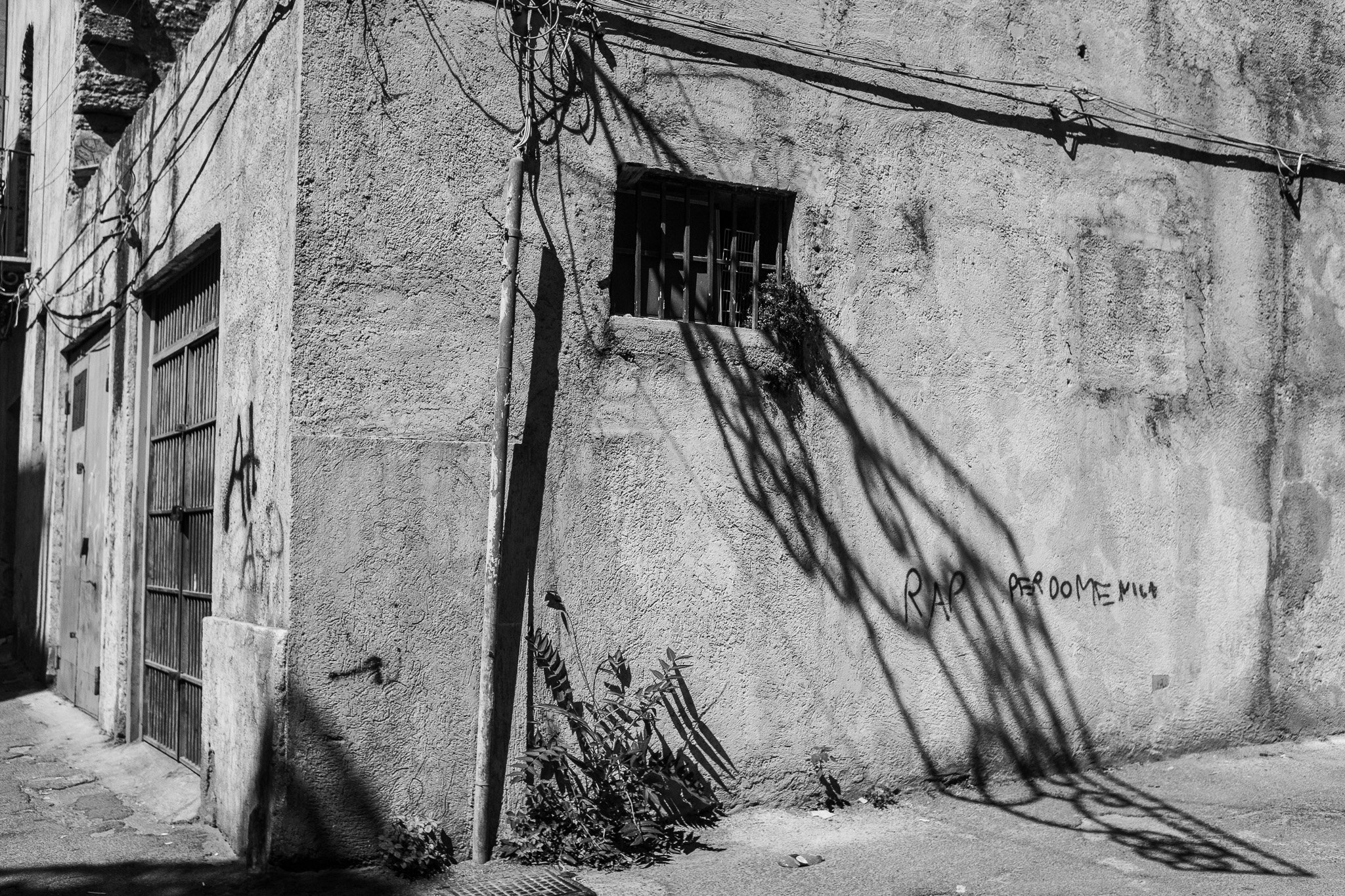
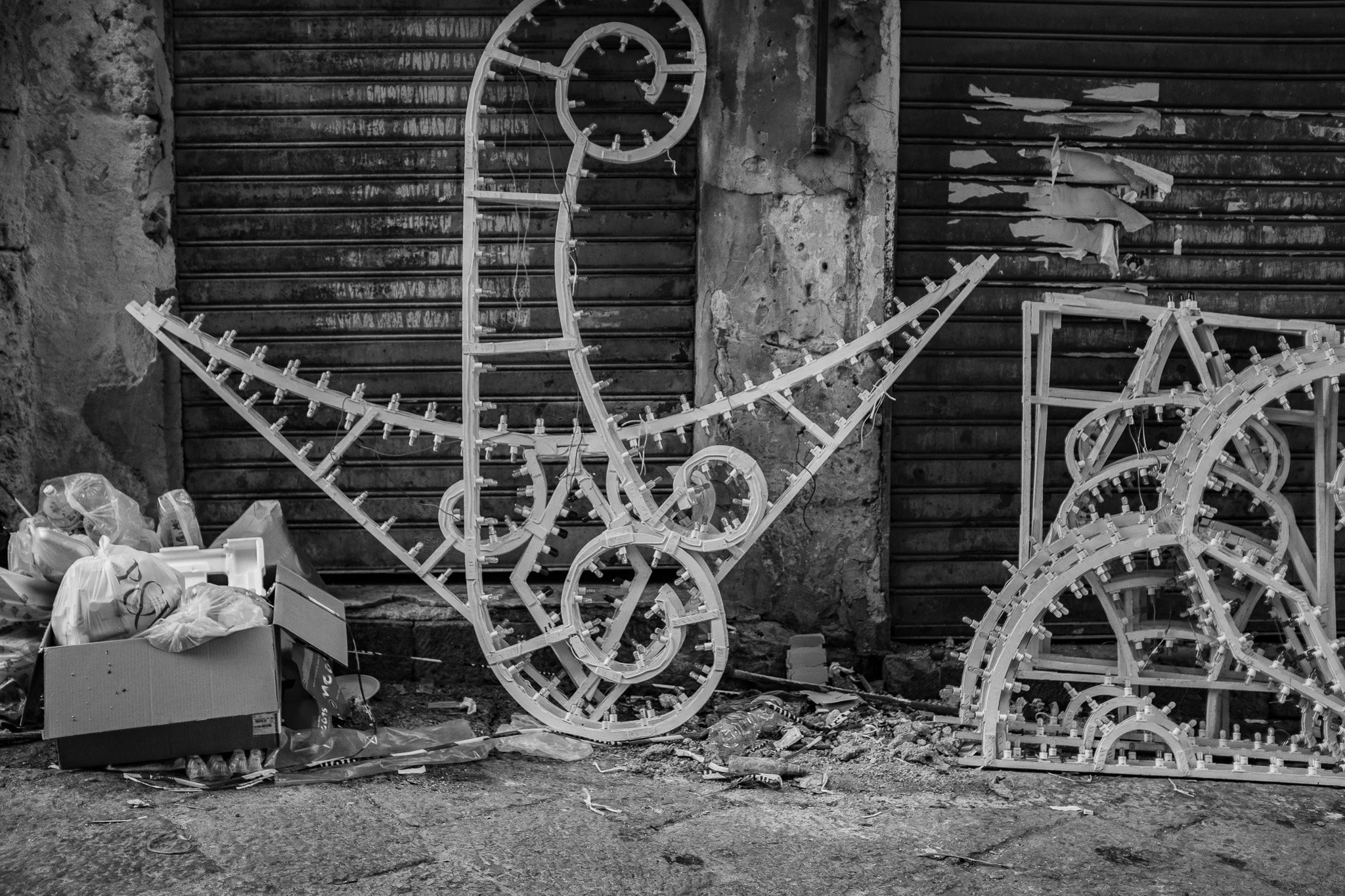
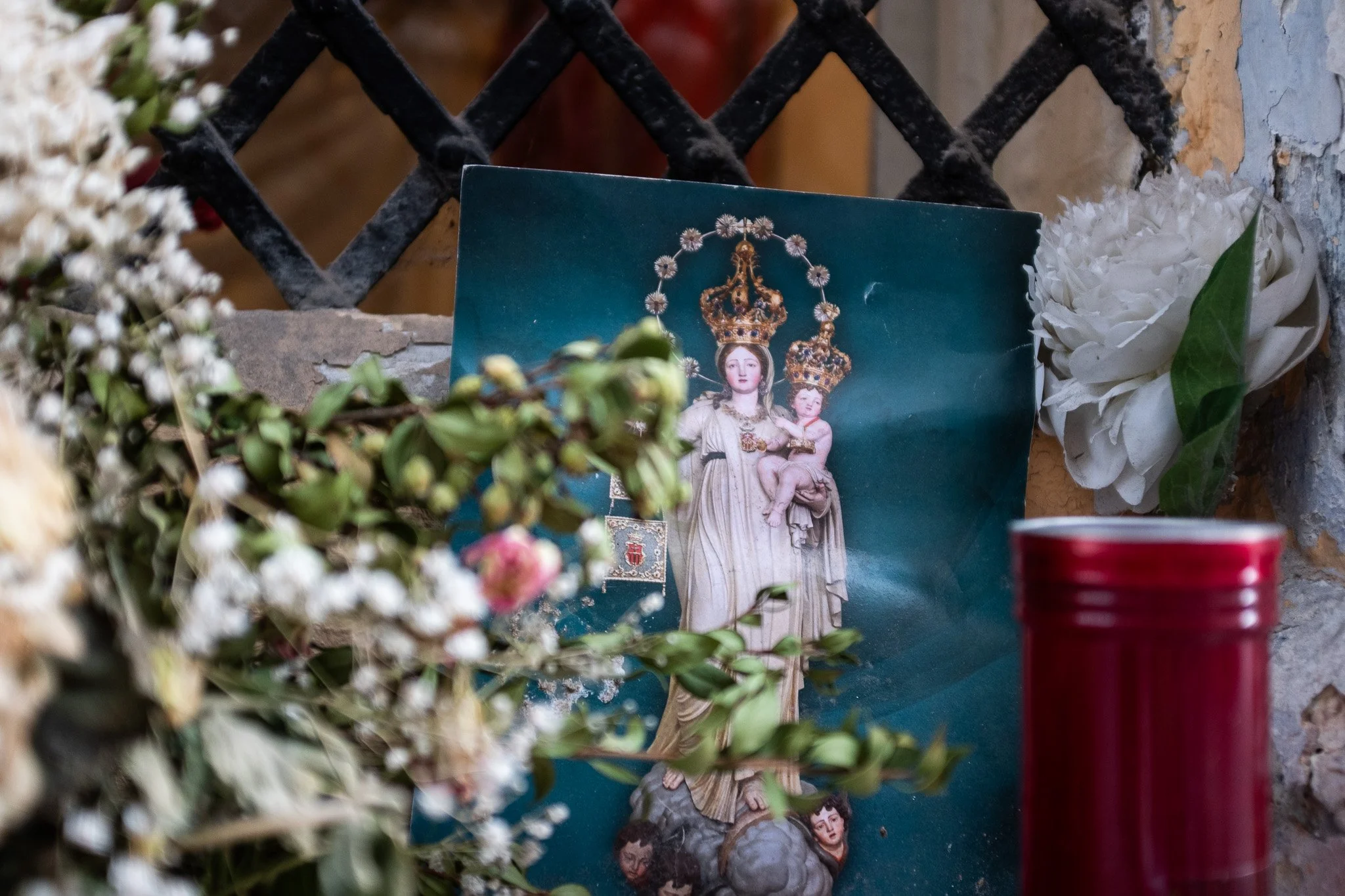
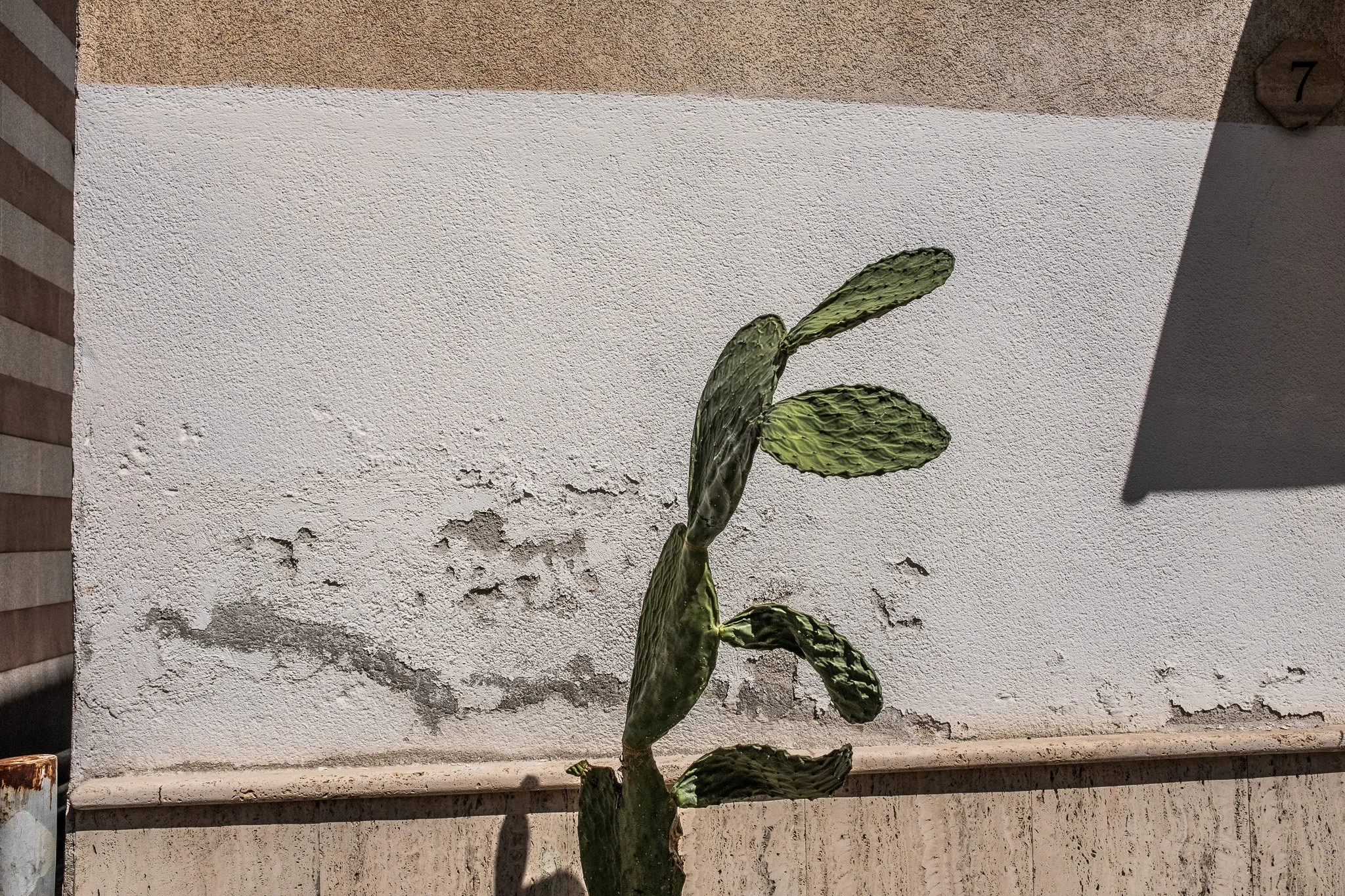
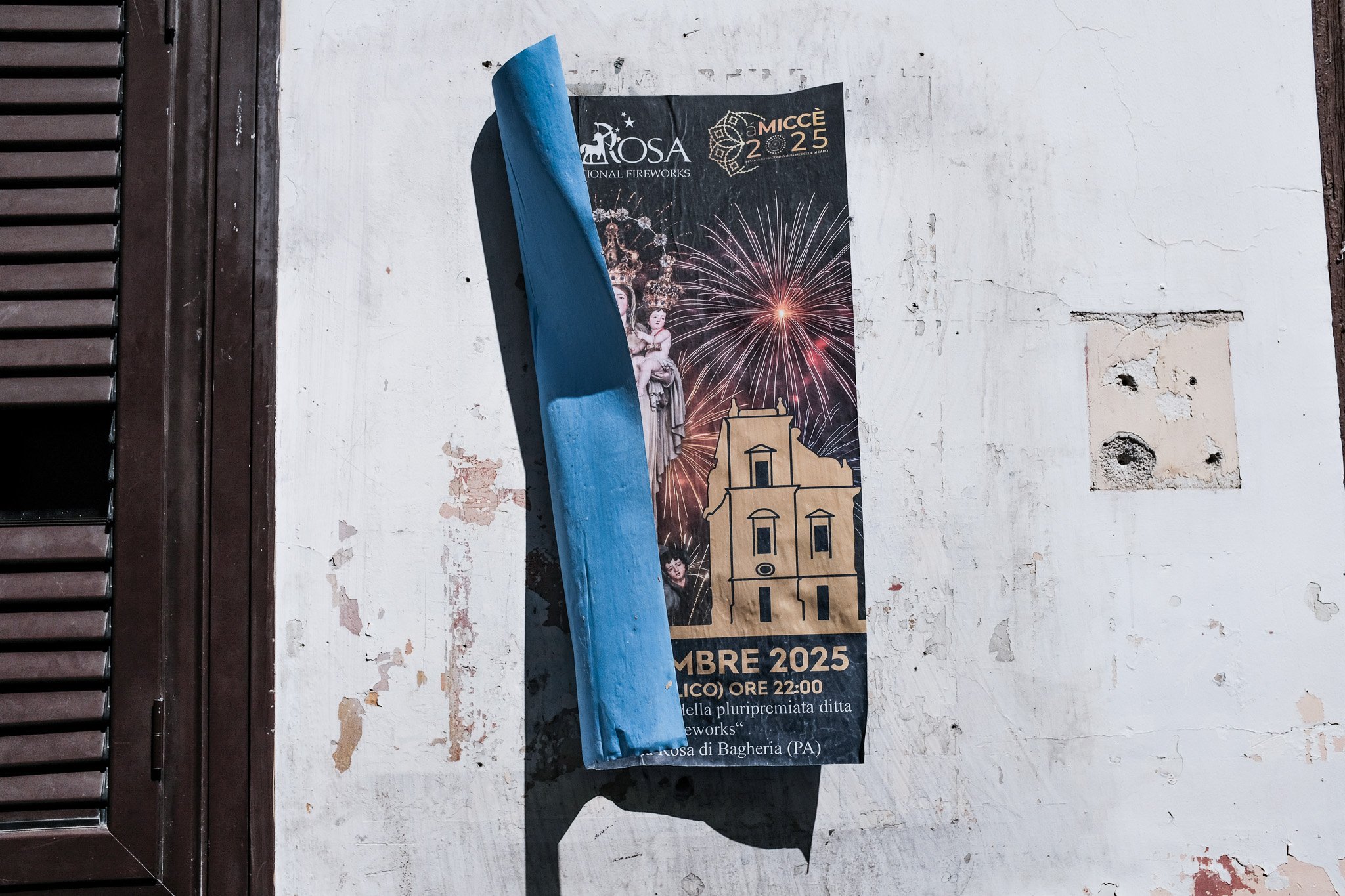
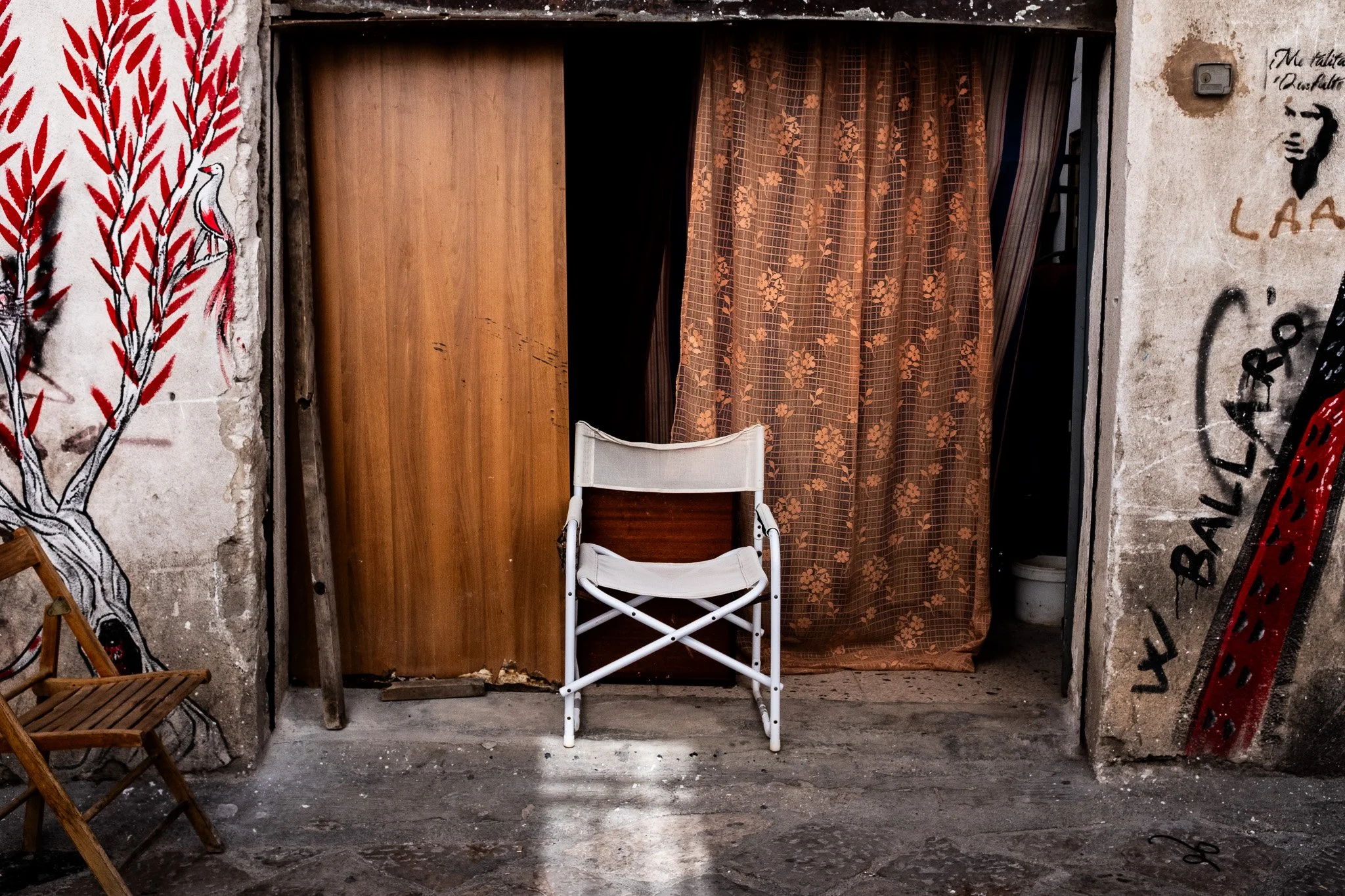
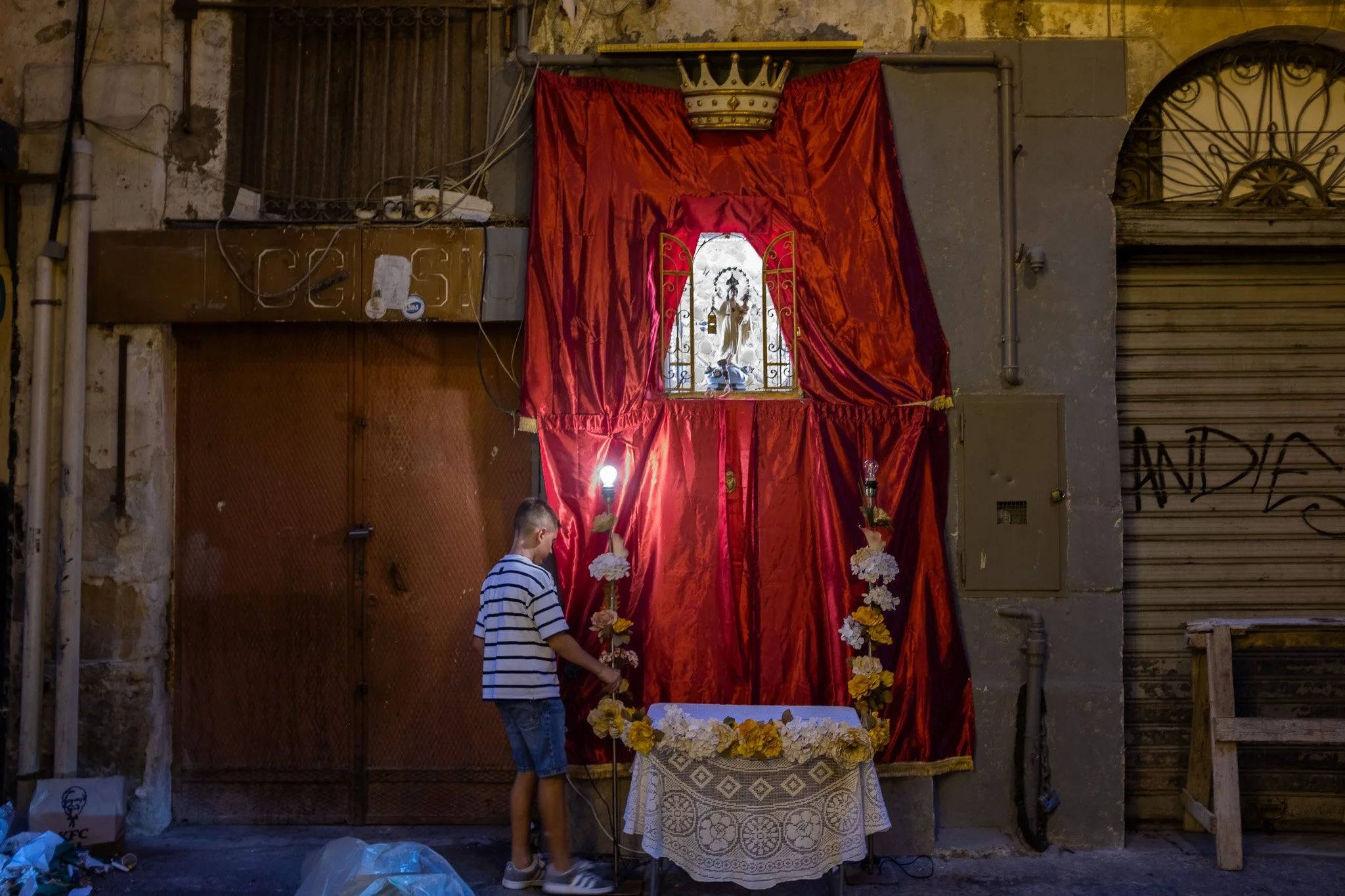
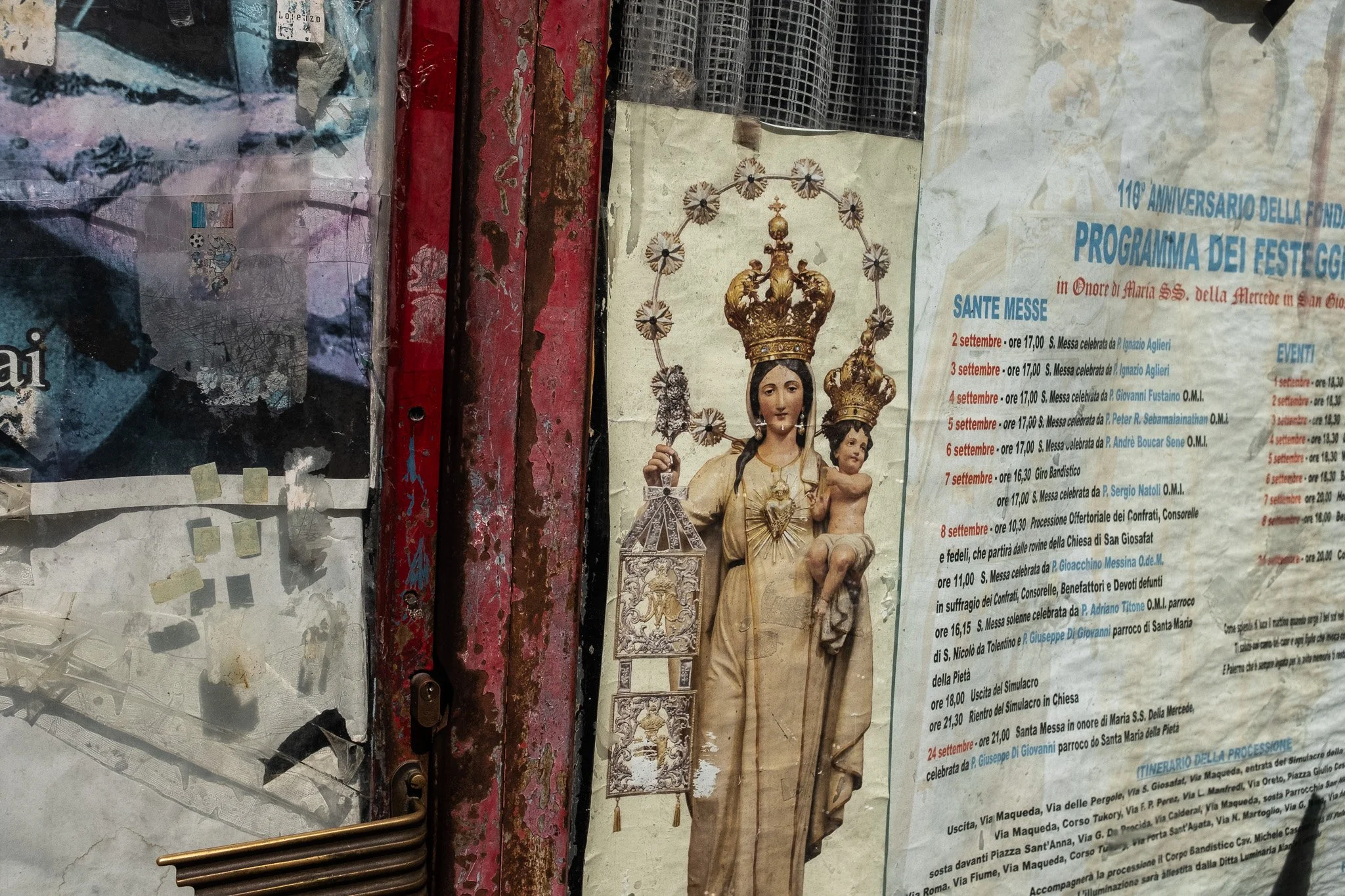
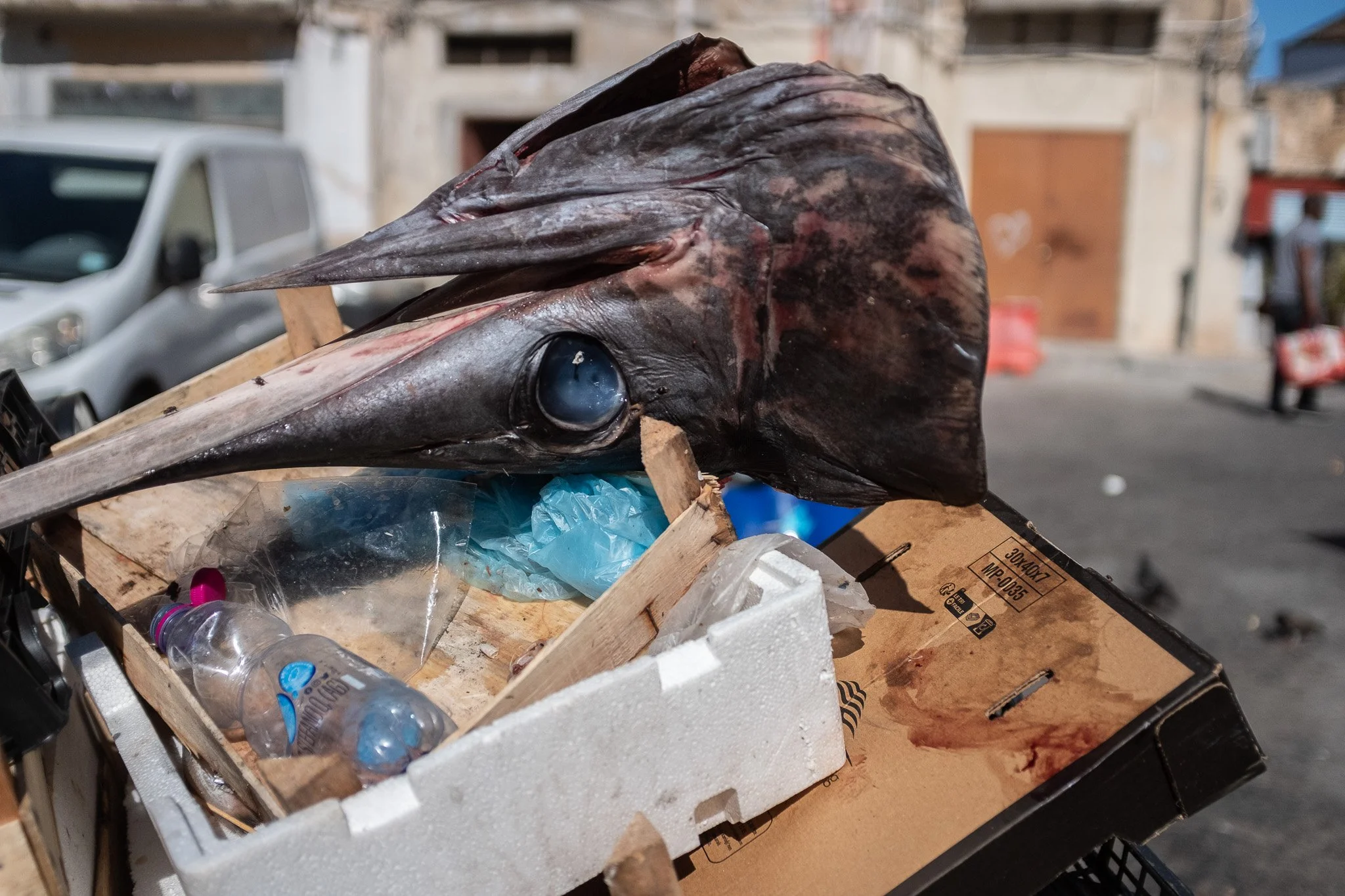
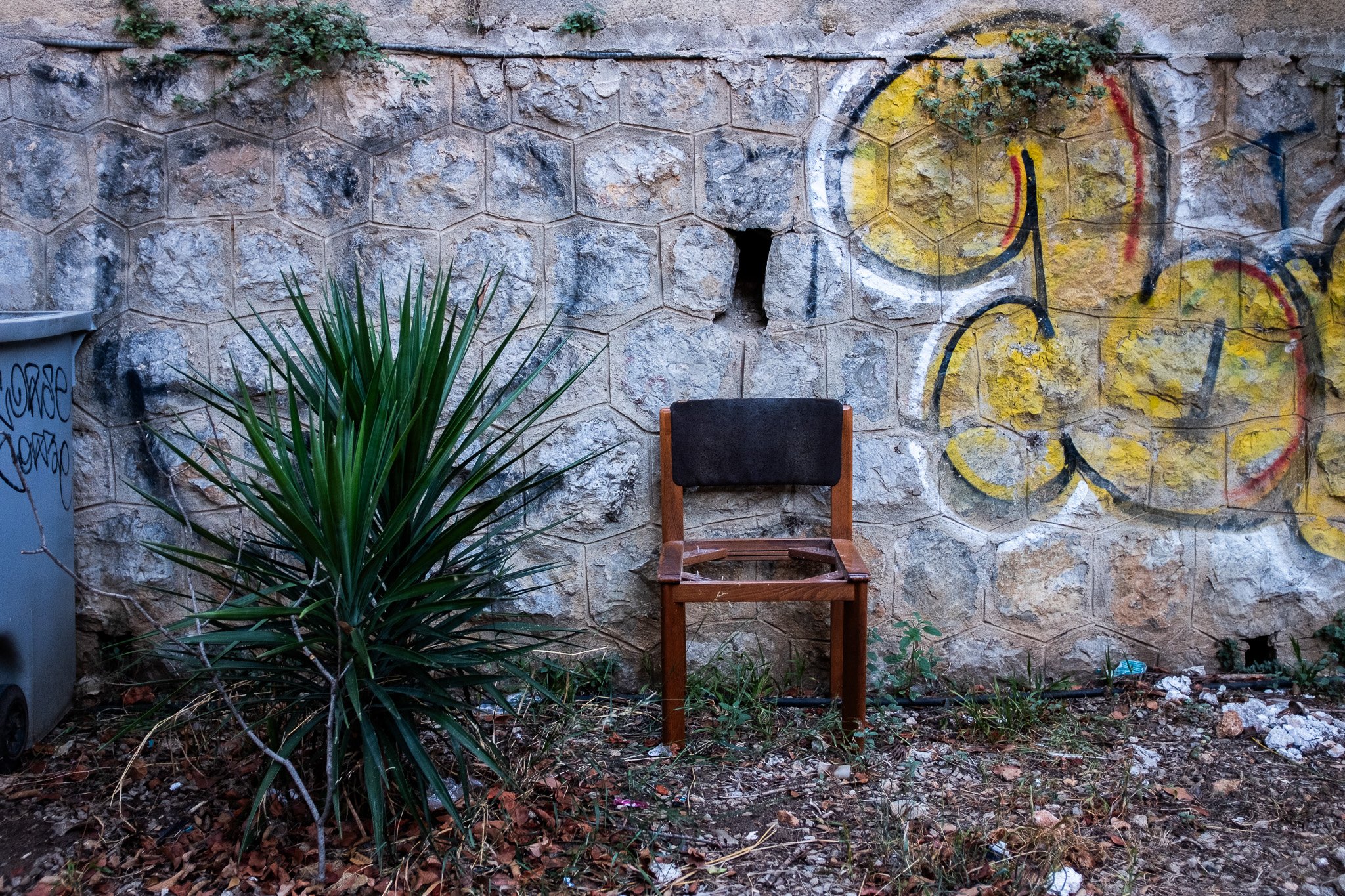
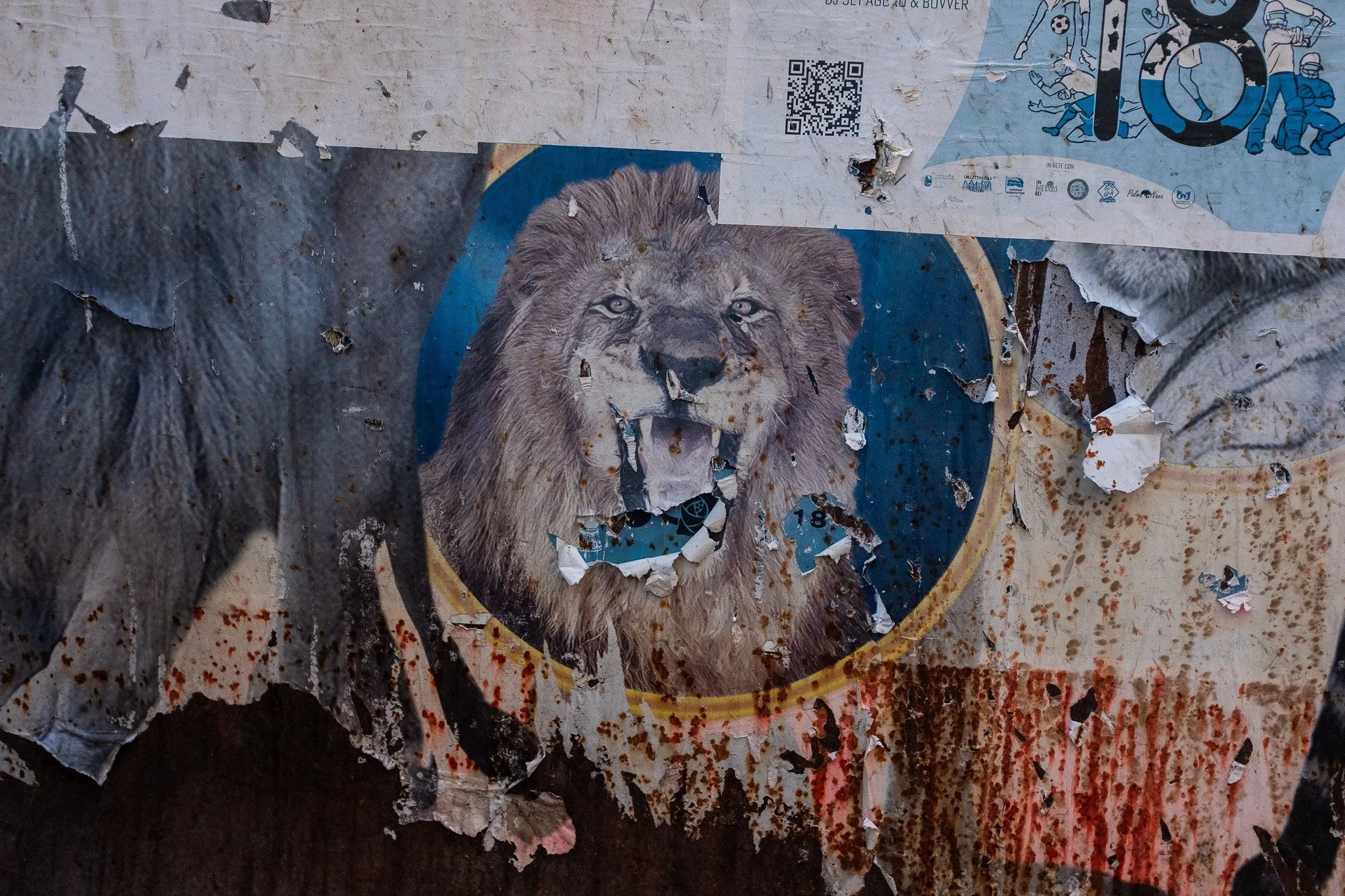
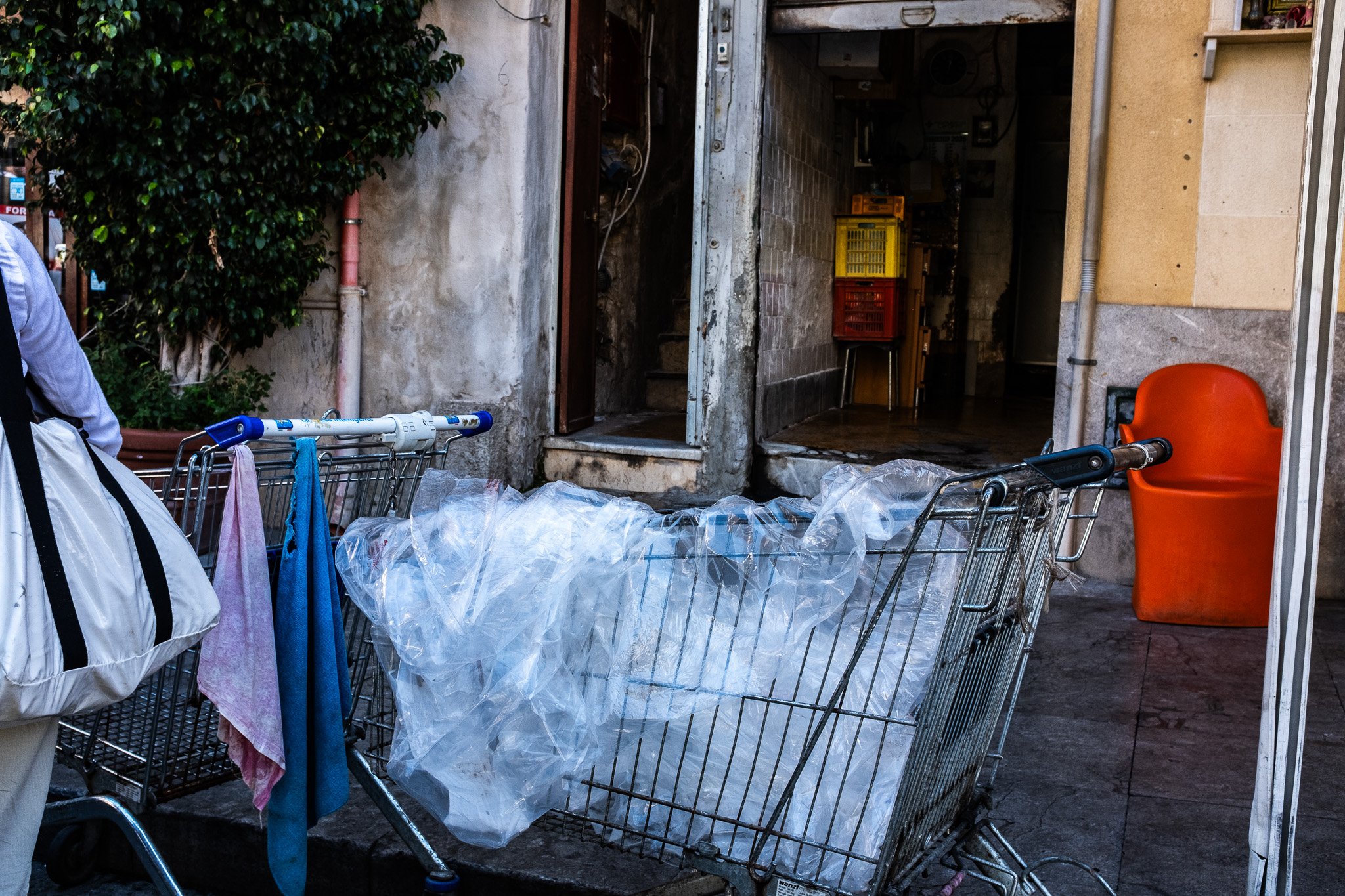
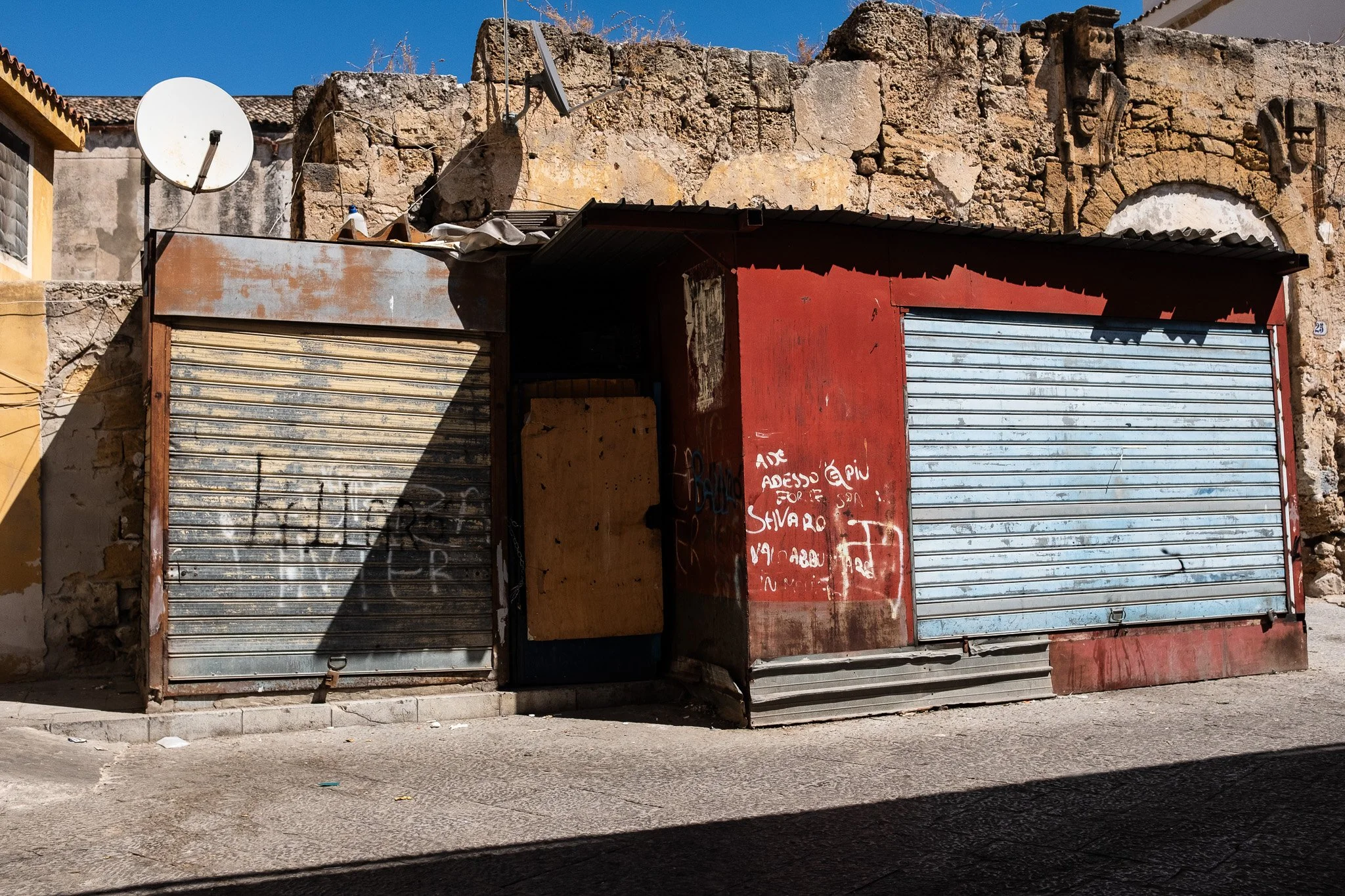
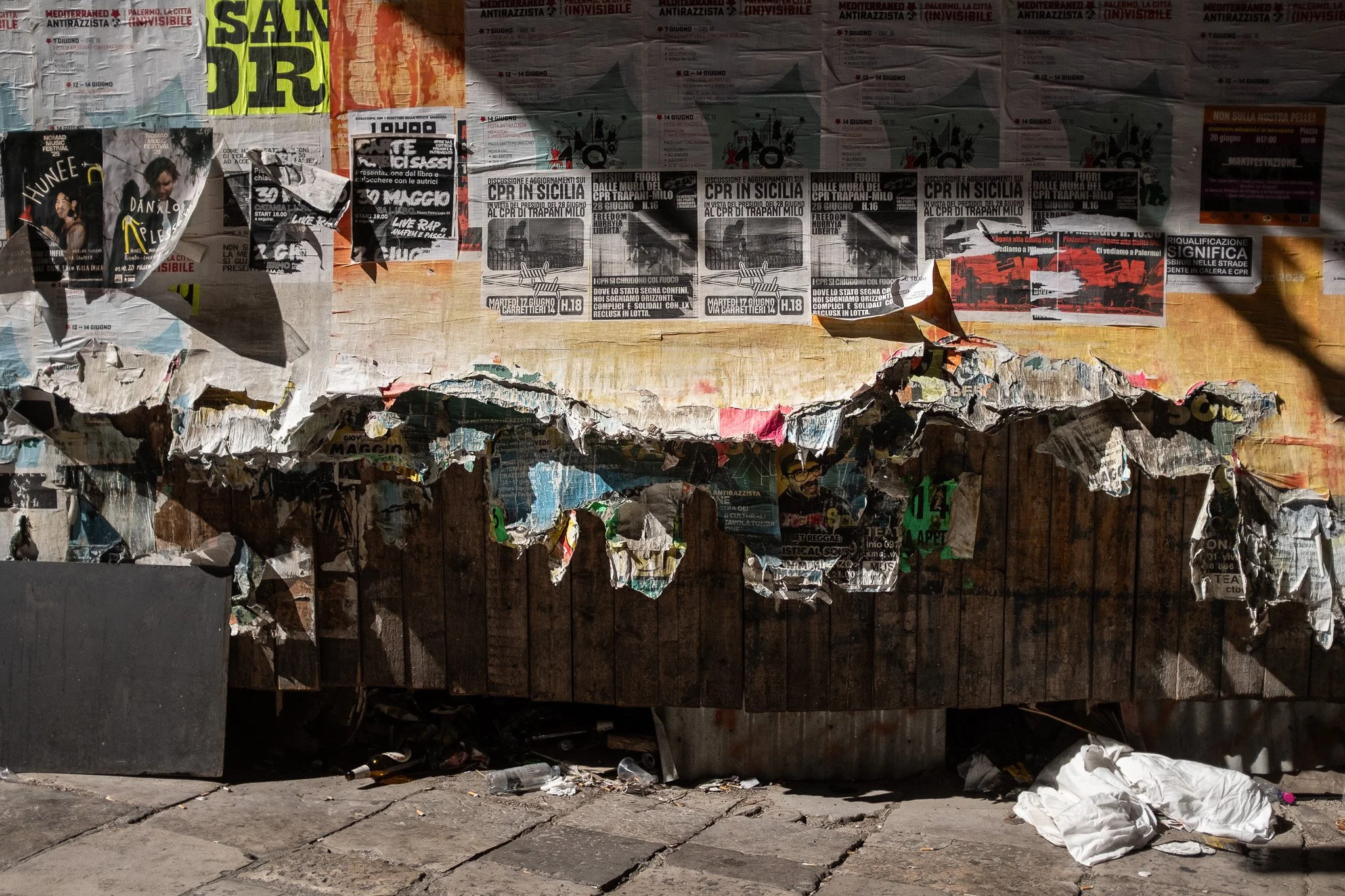
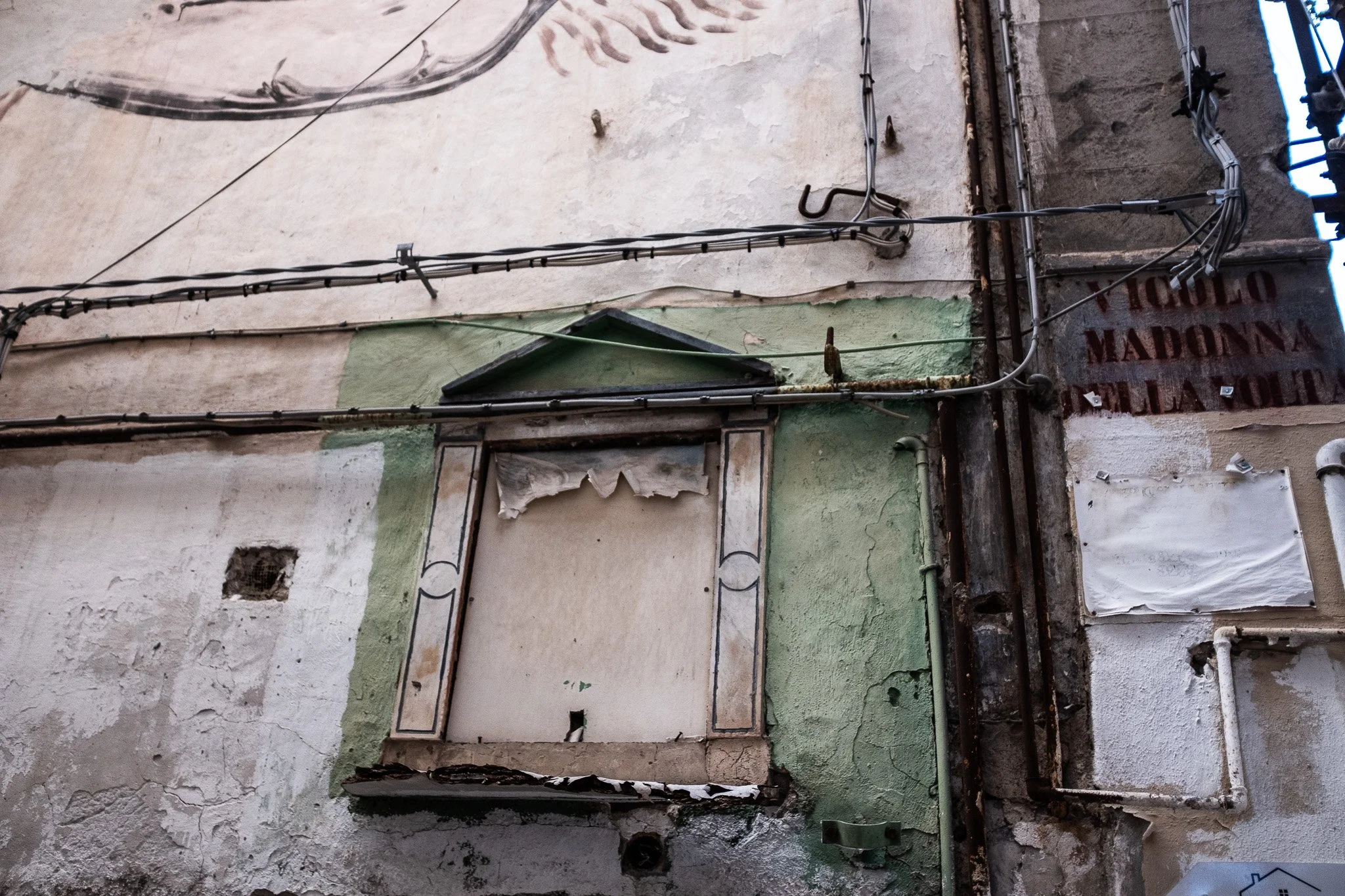
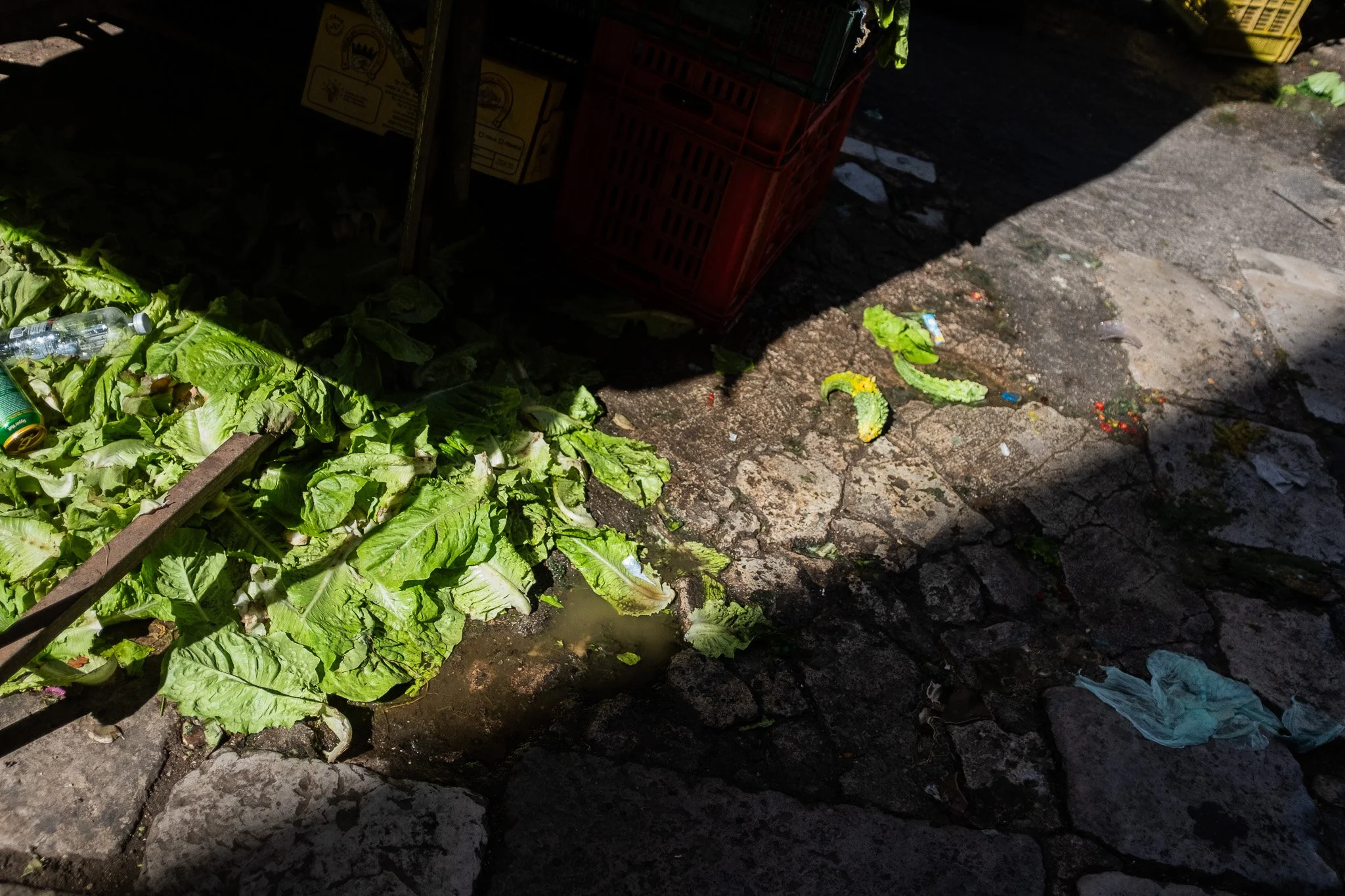
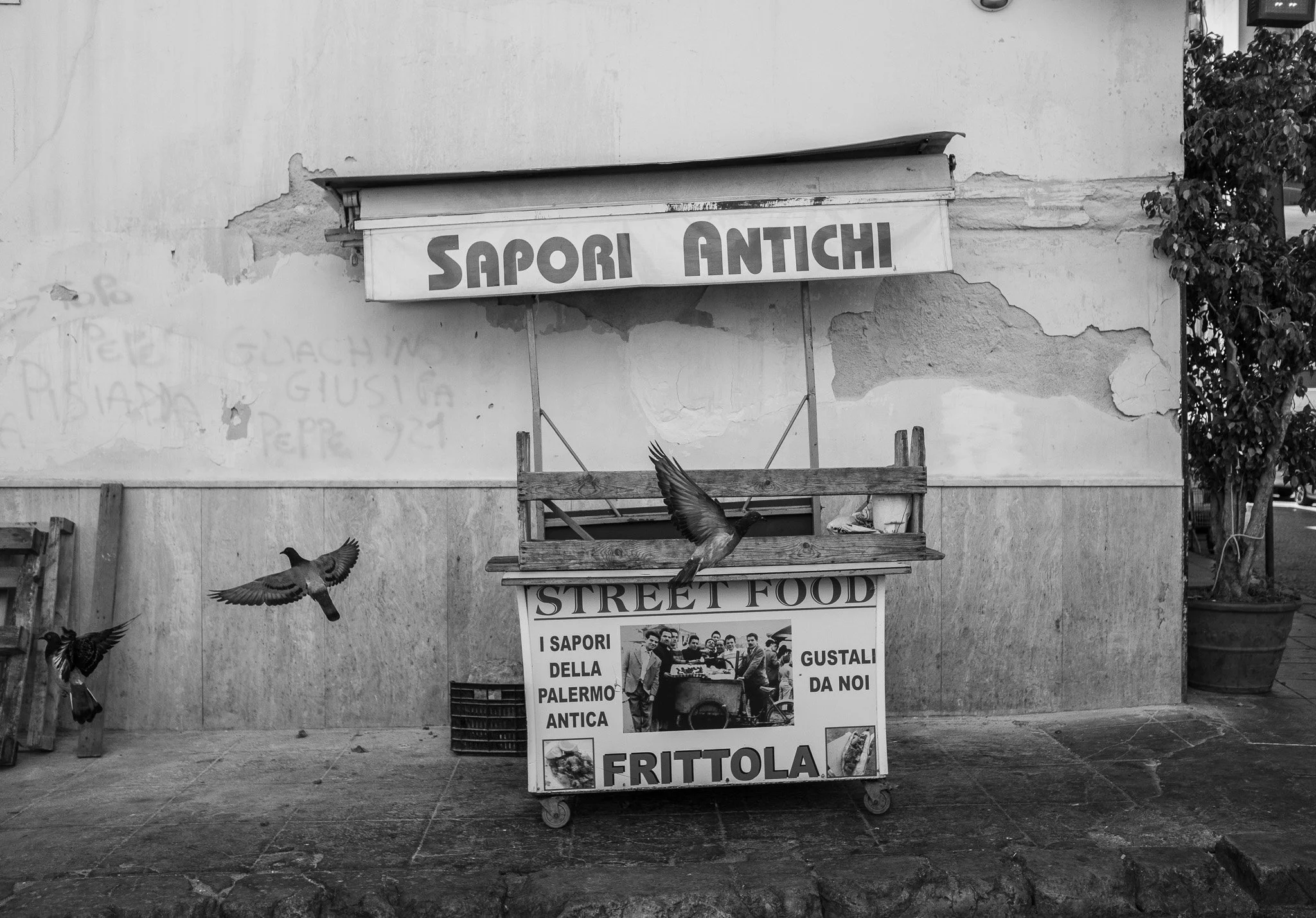
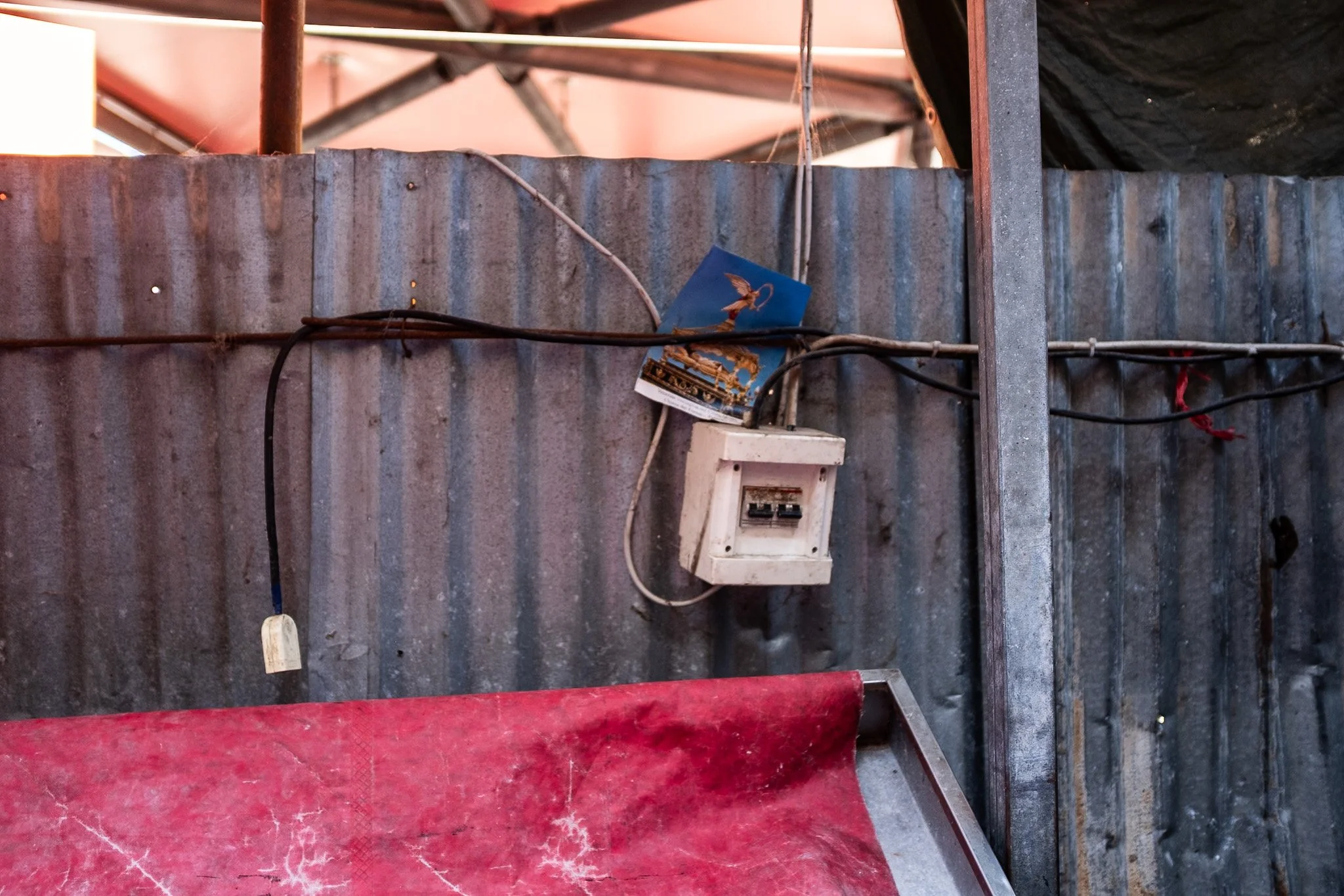
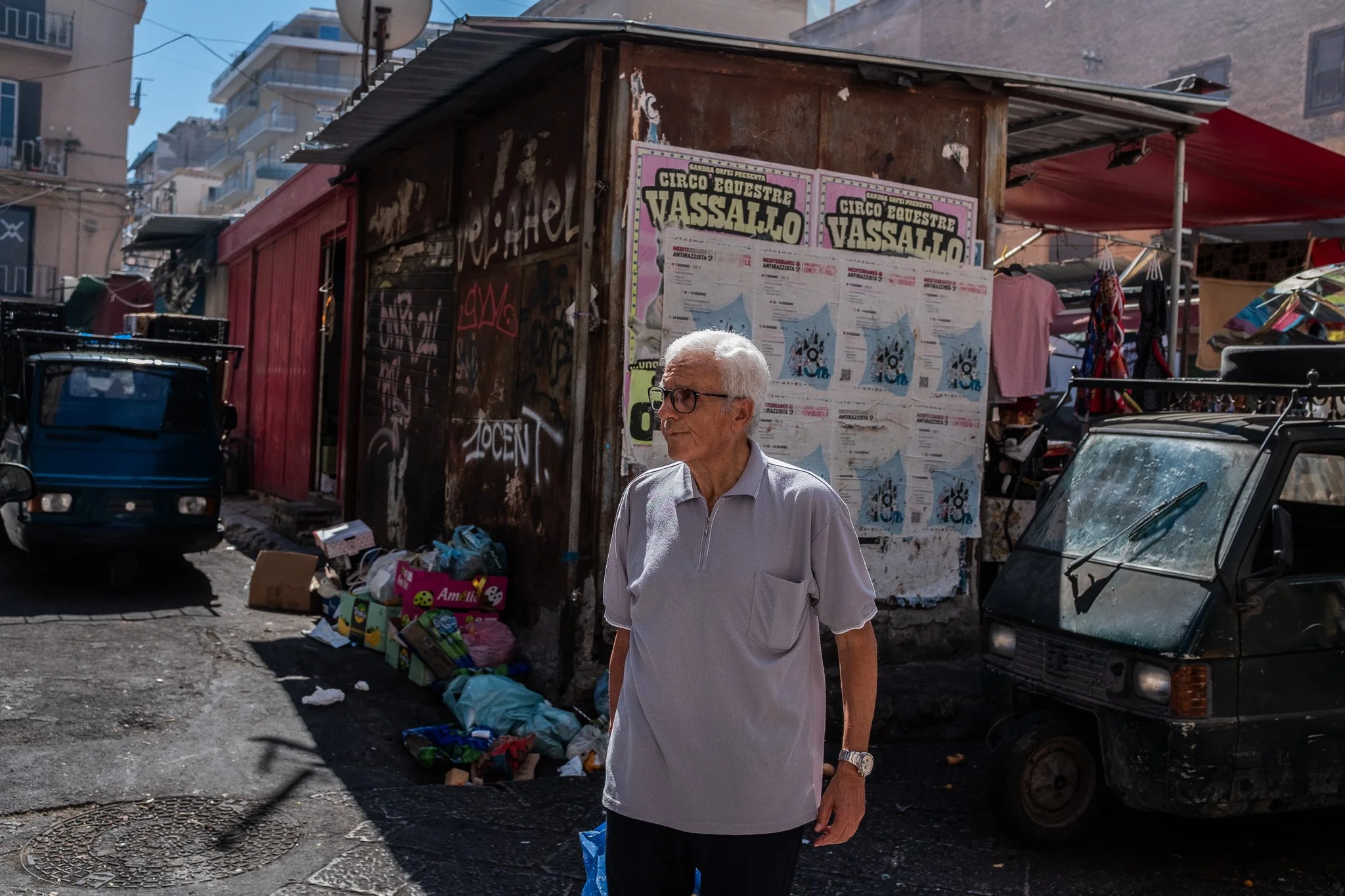
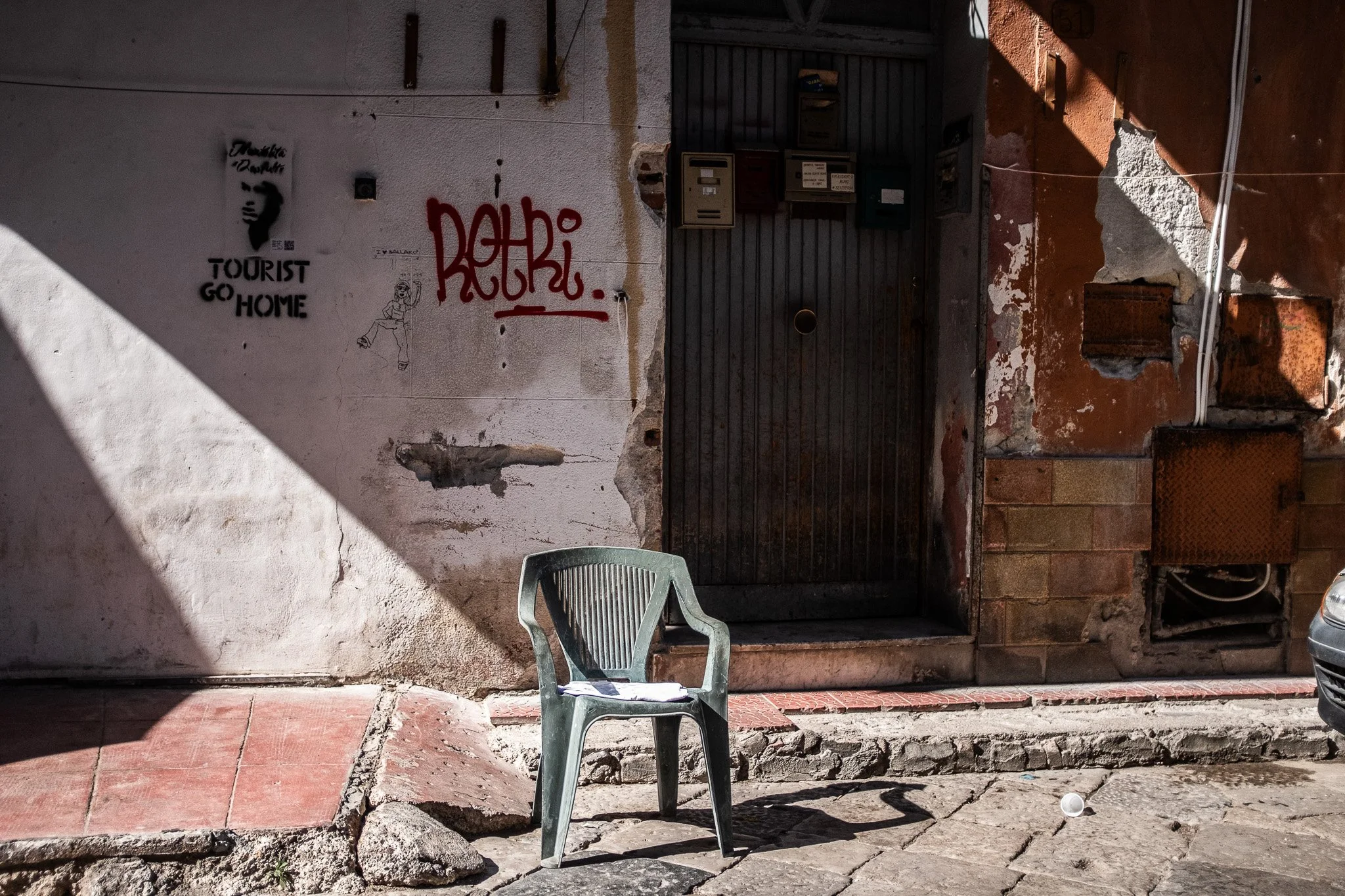
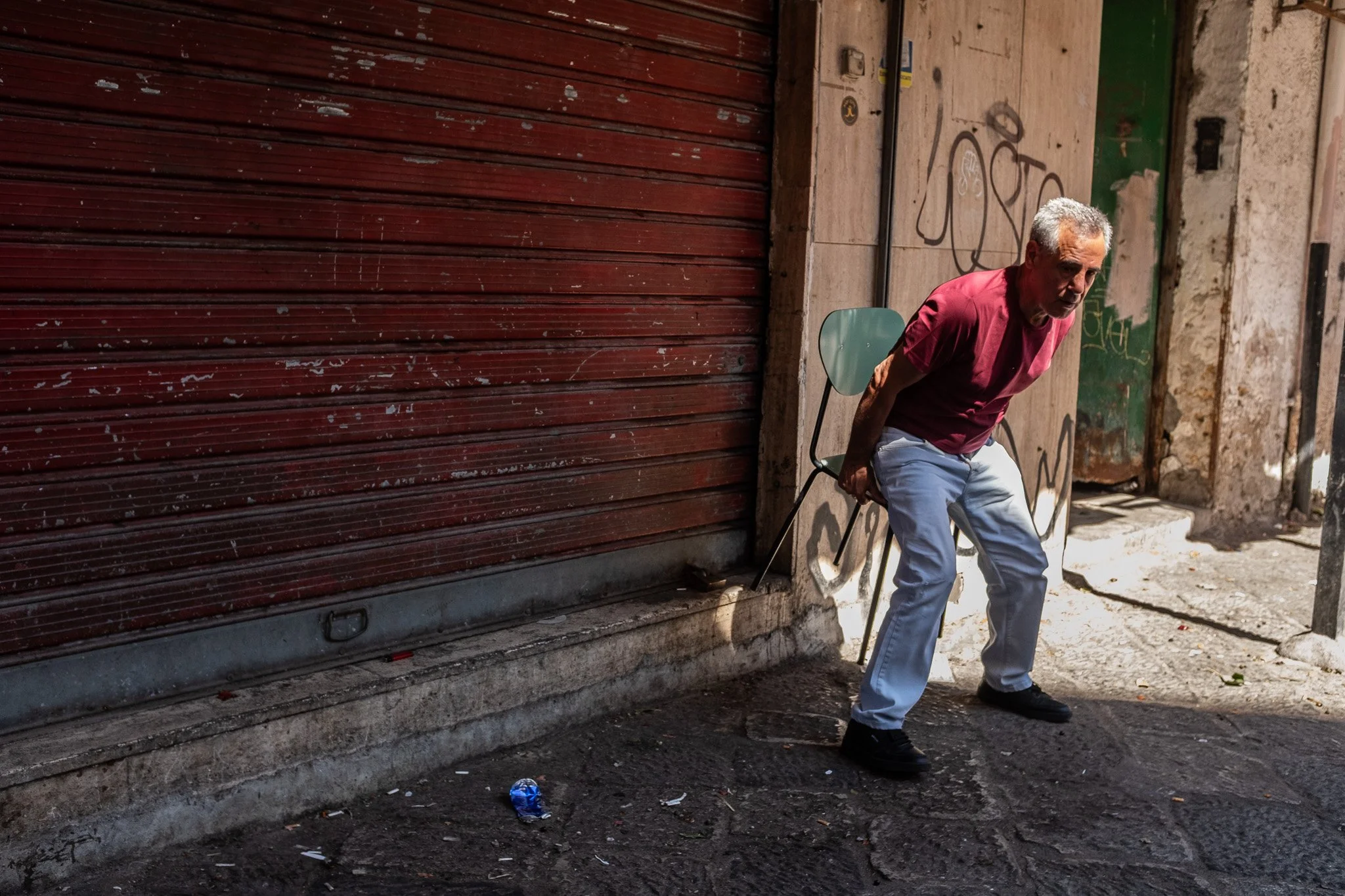
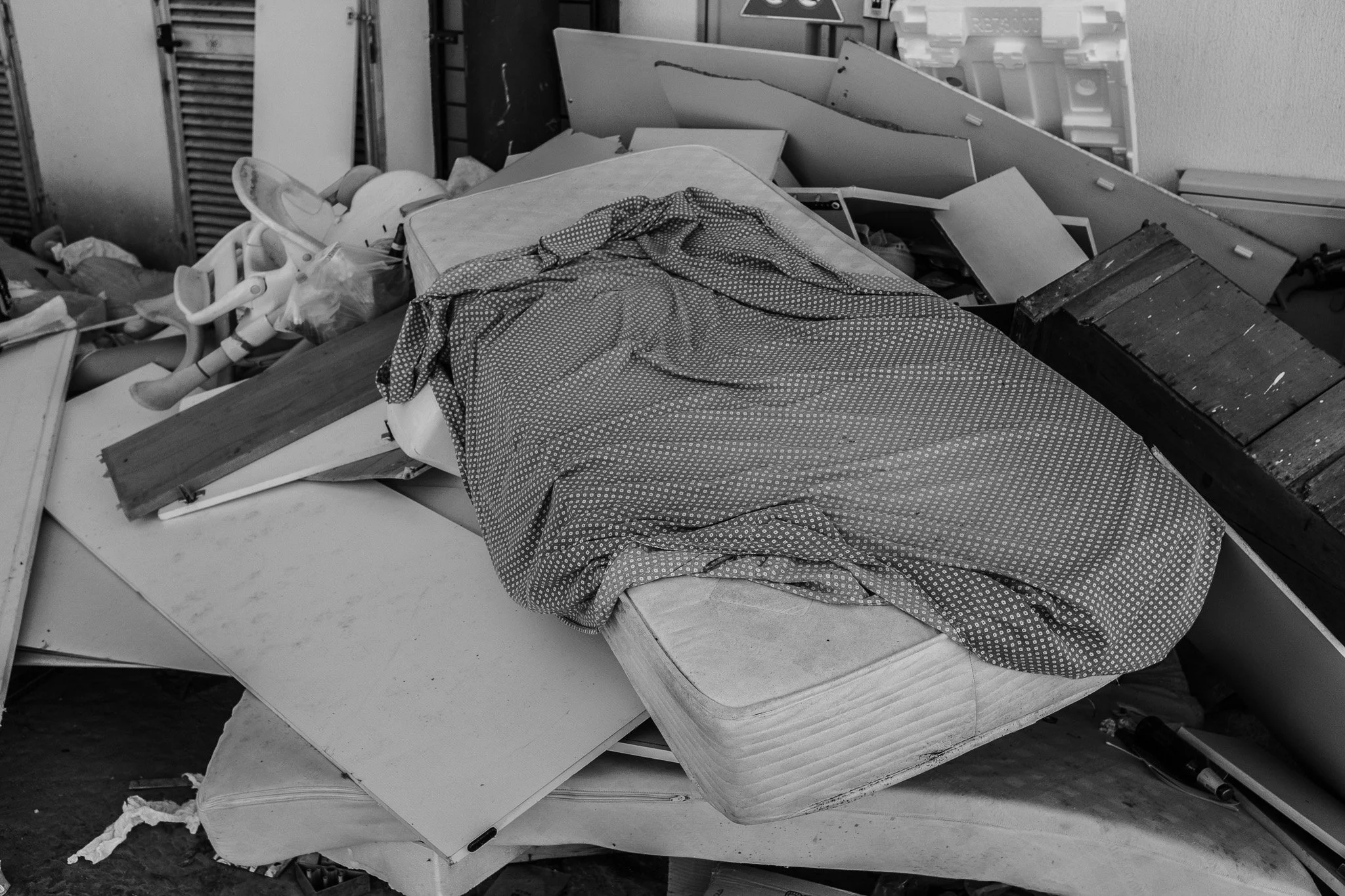
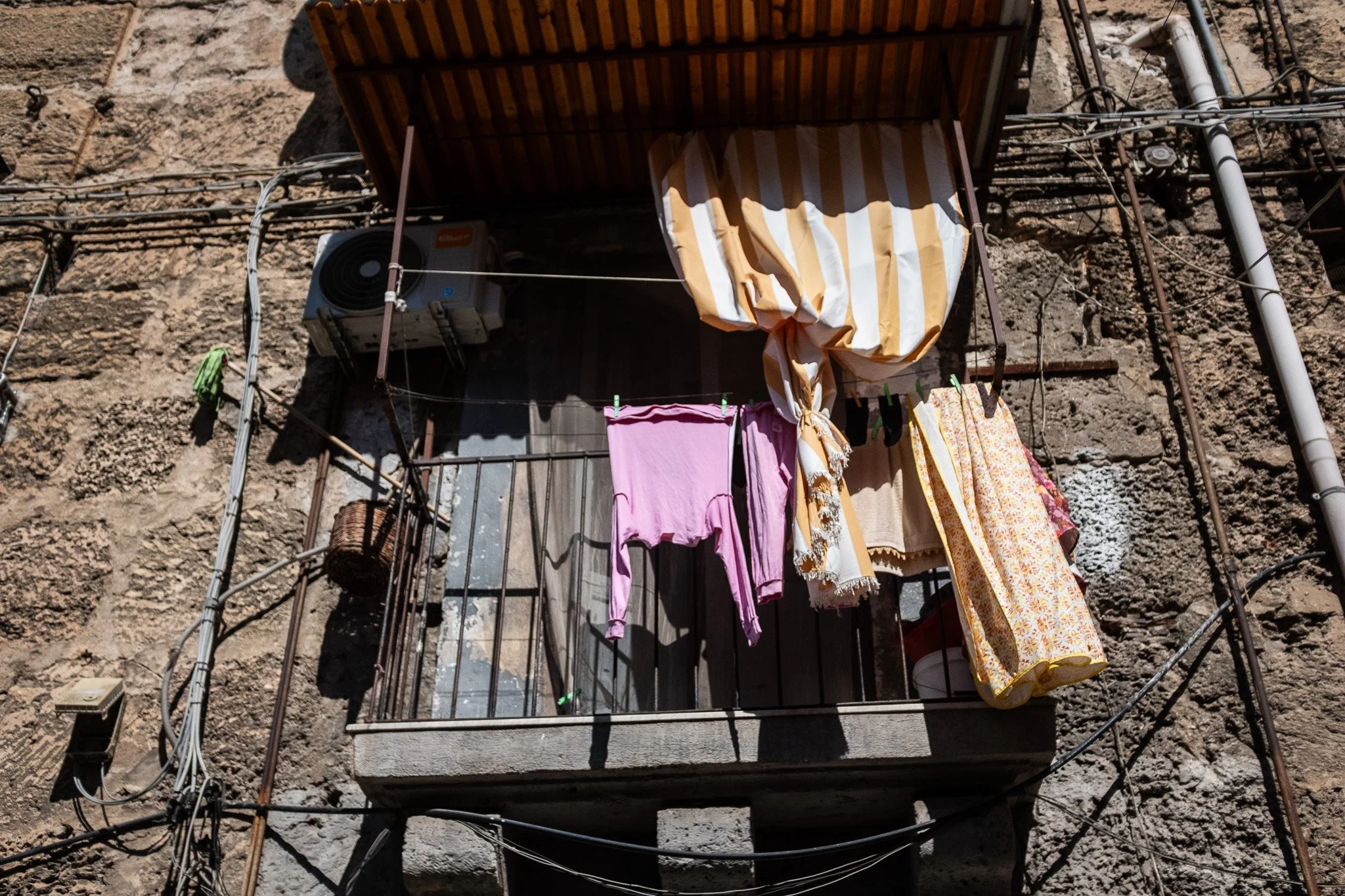
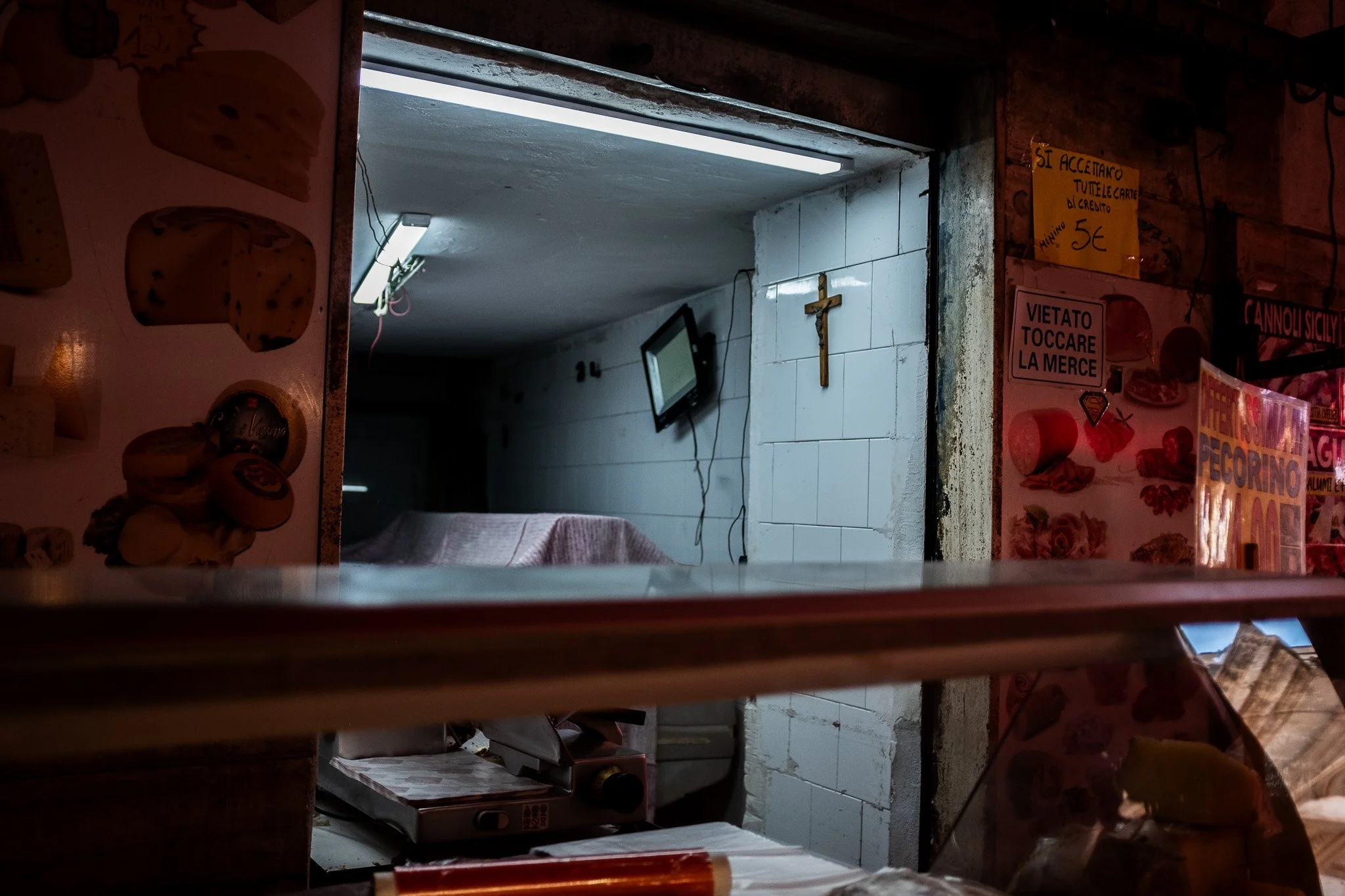
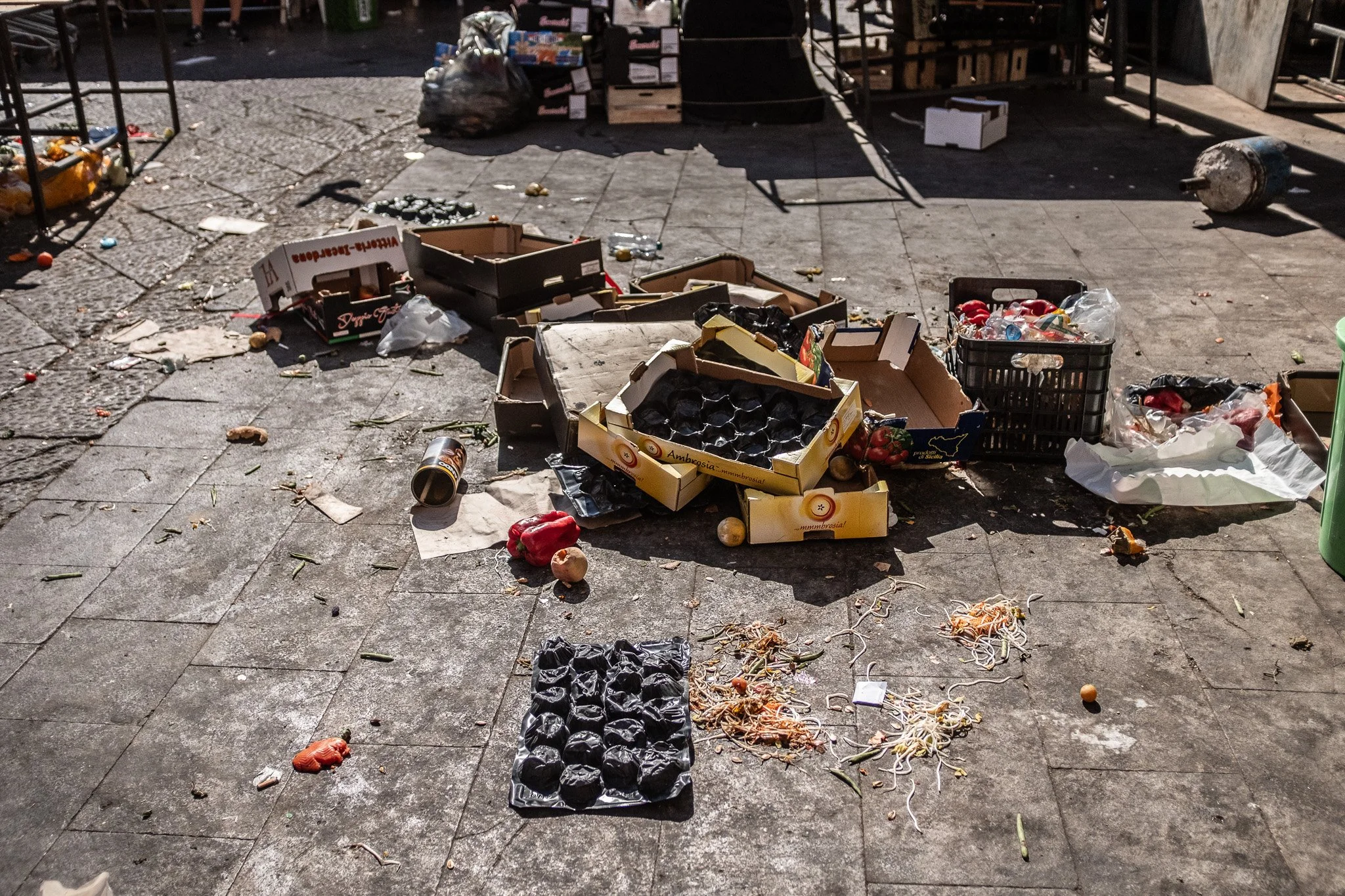
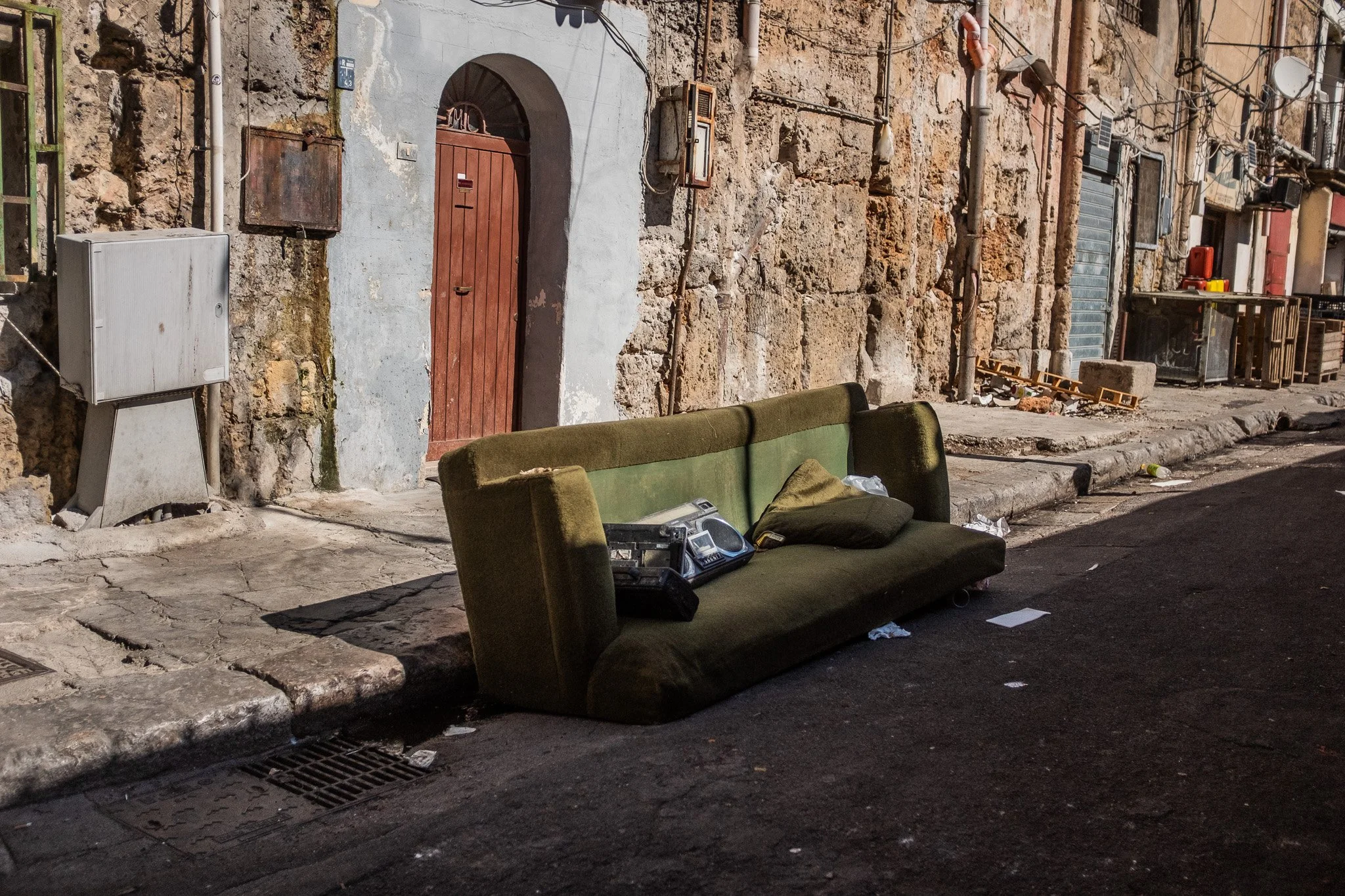
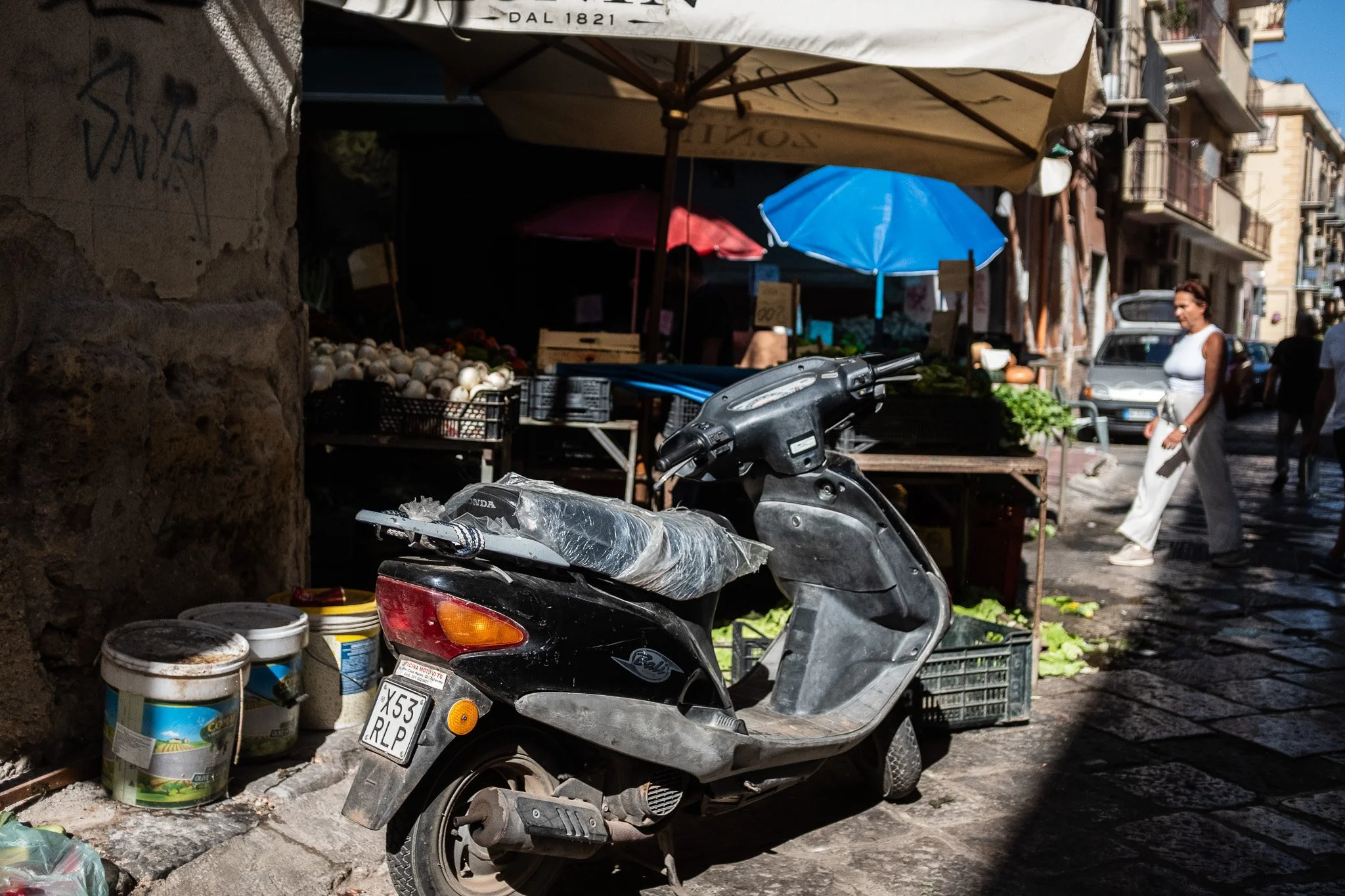
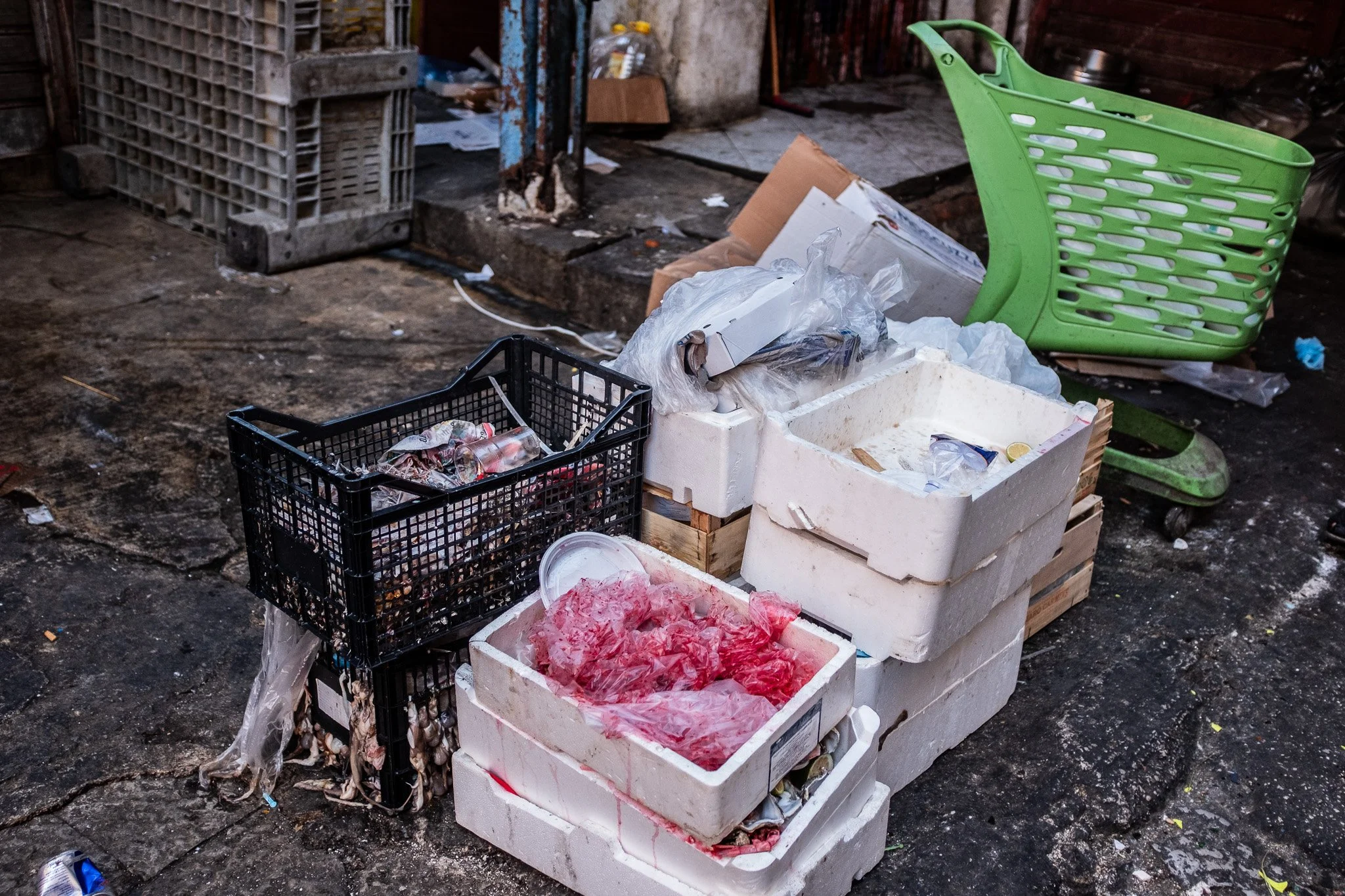
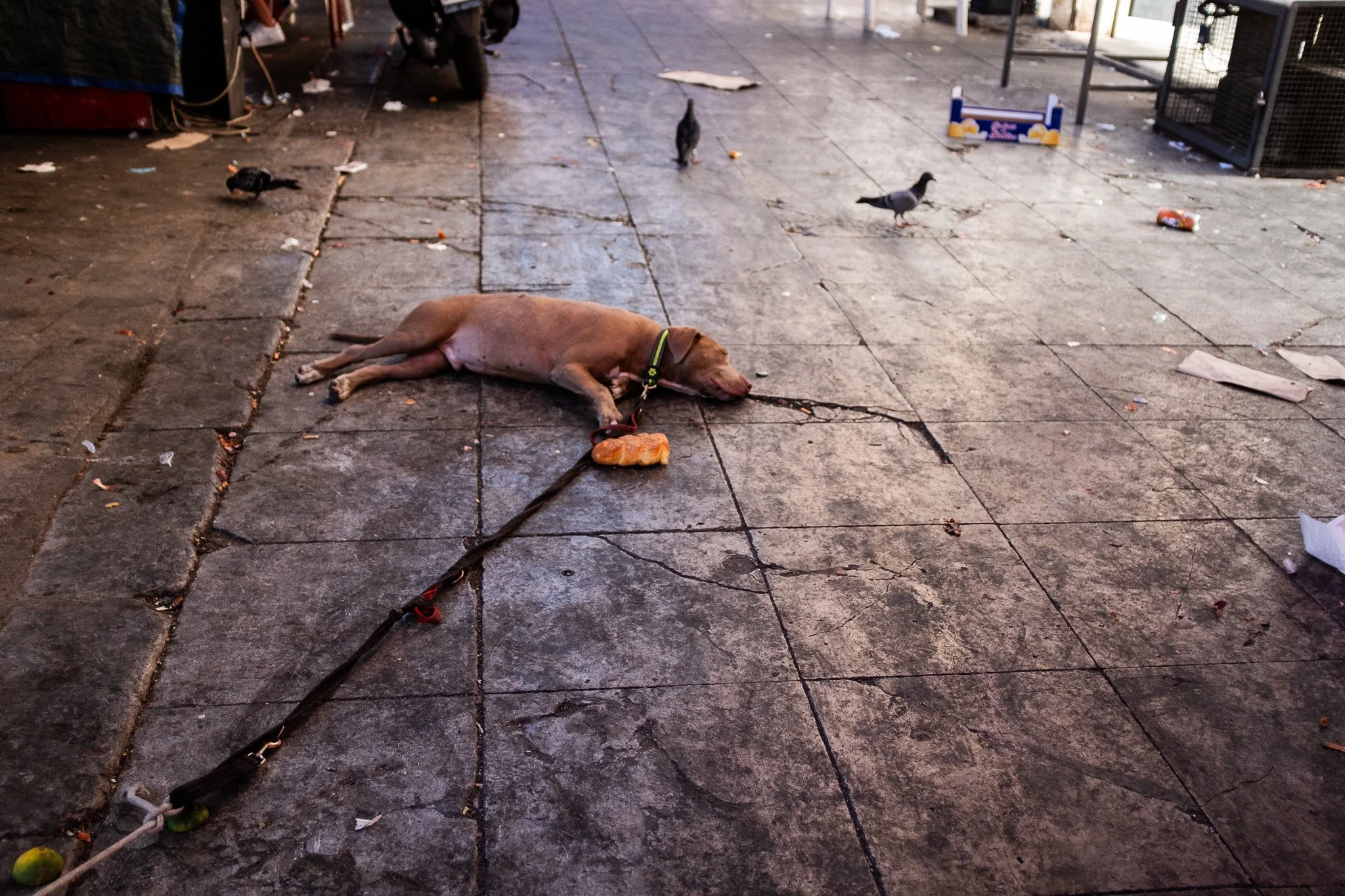
The neighborhood is built around a maze of narrow, noisy streets, where popular architecture coexists with monumental remains, decaying noble palaces, Baroque churches, and buildings marked by time. Here, the city shows its contradictions without filters: beauty and decay, vitality and fragility, memory and transformation.
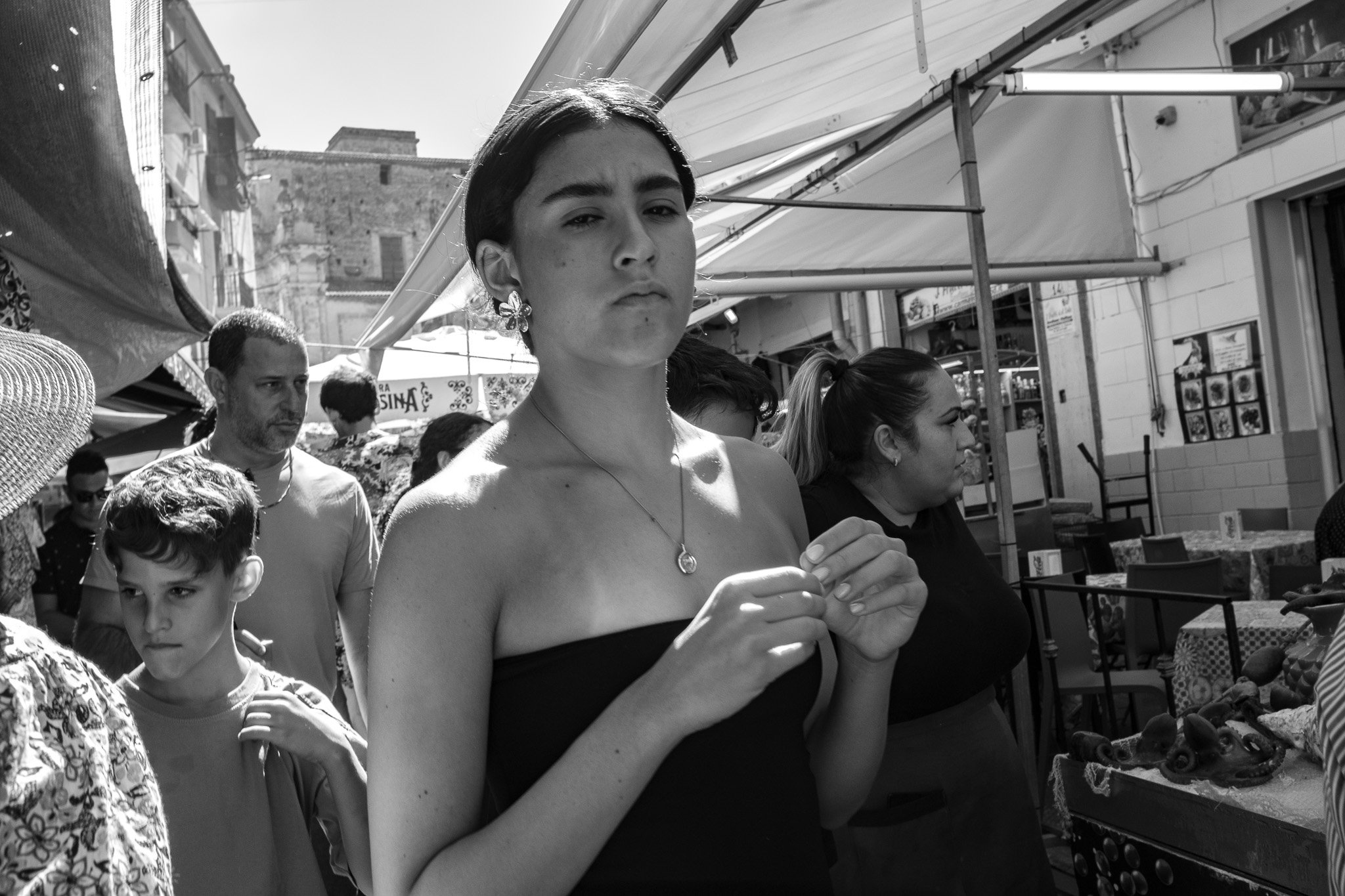
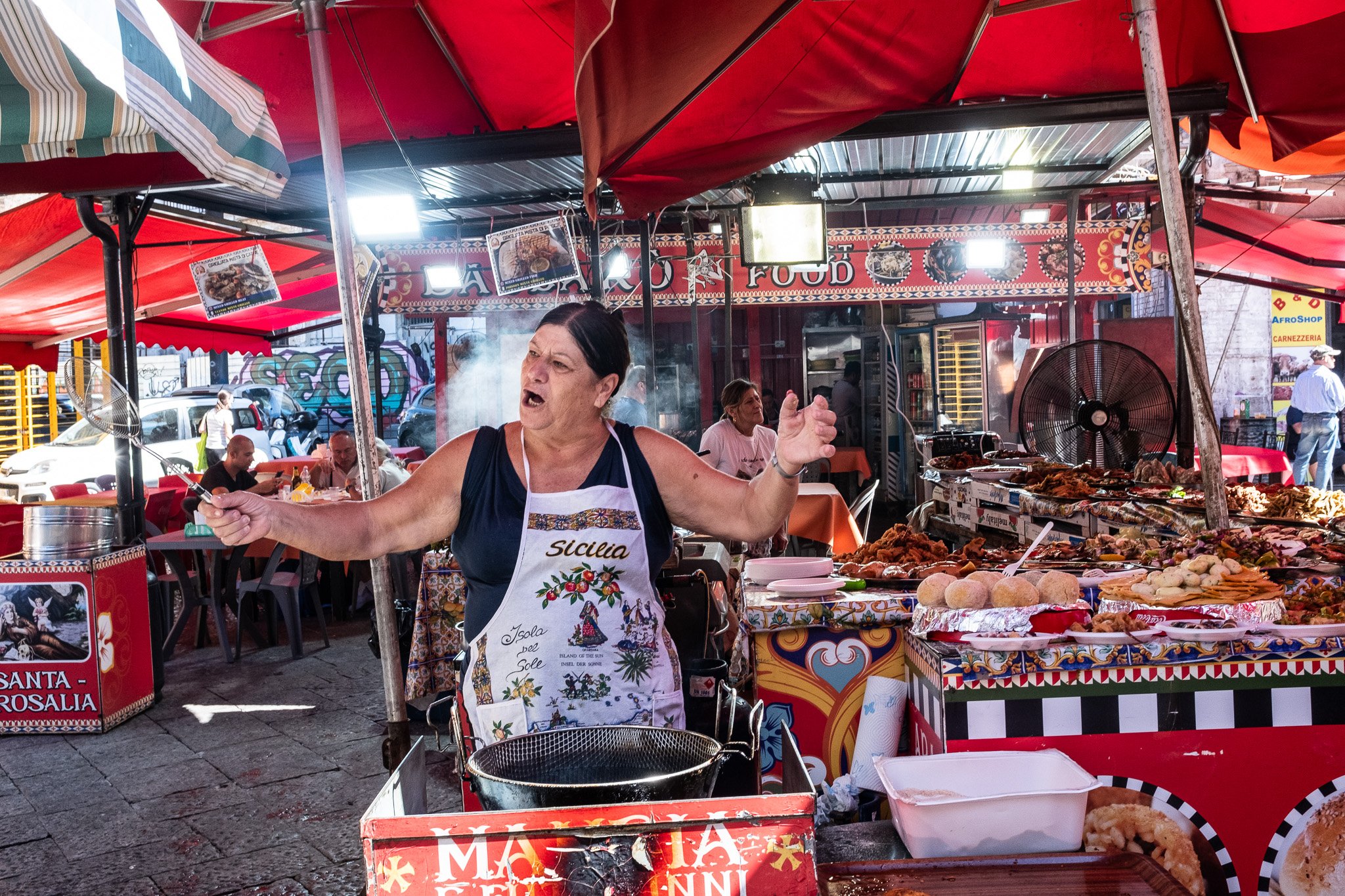
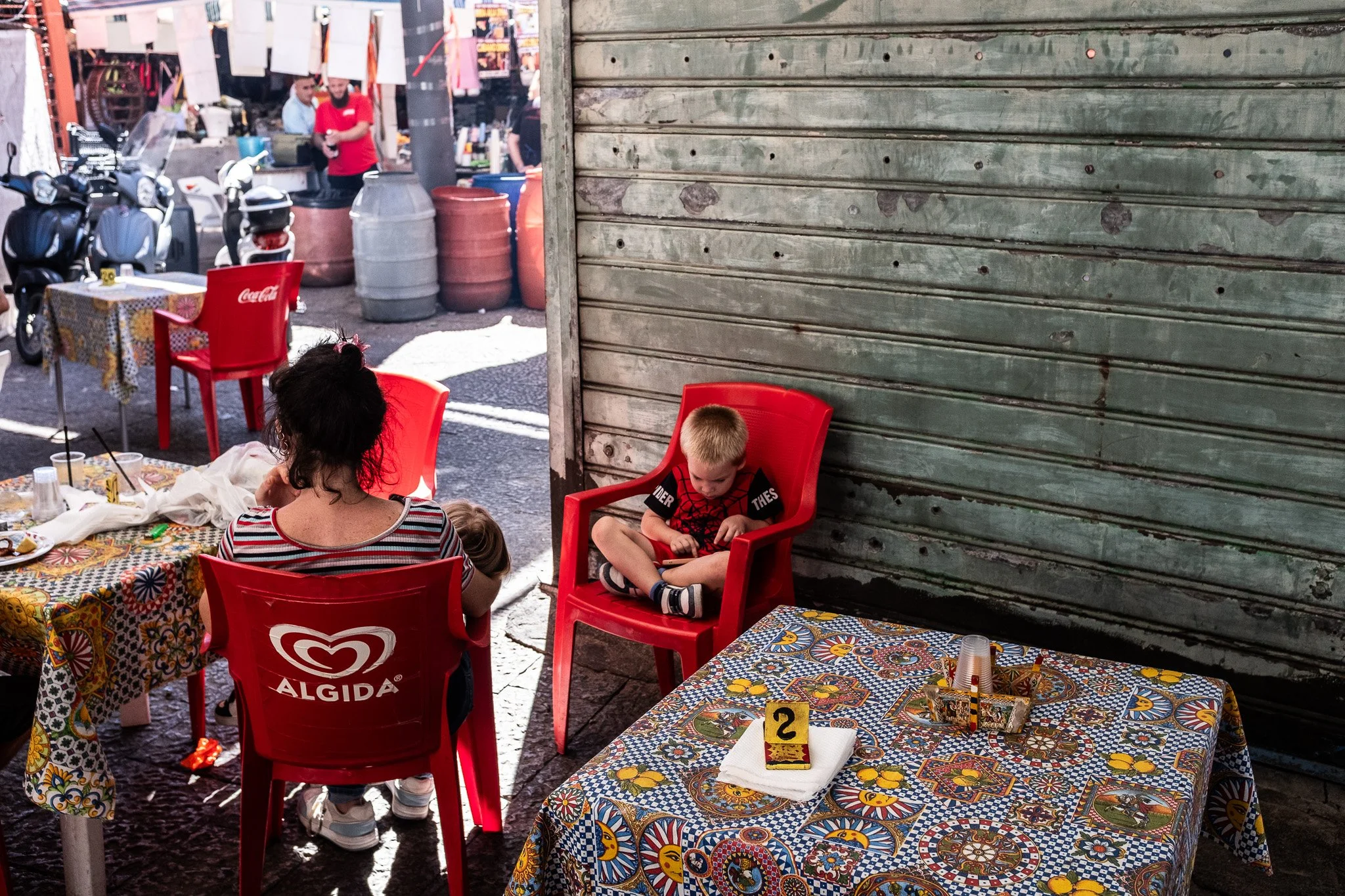
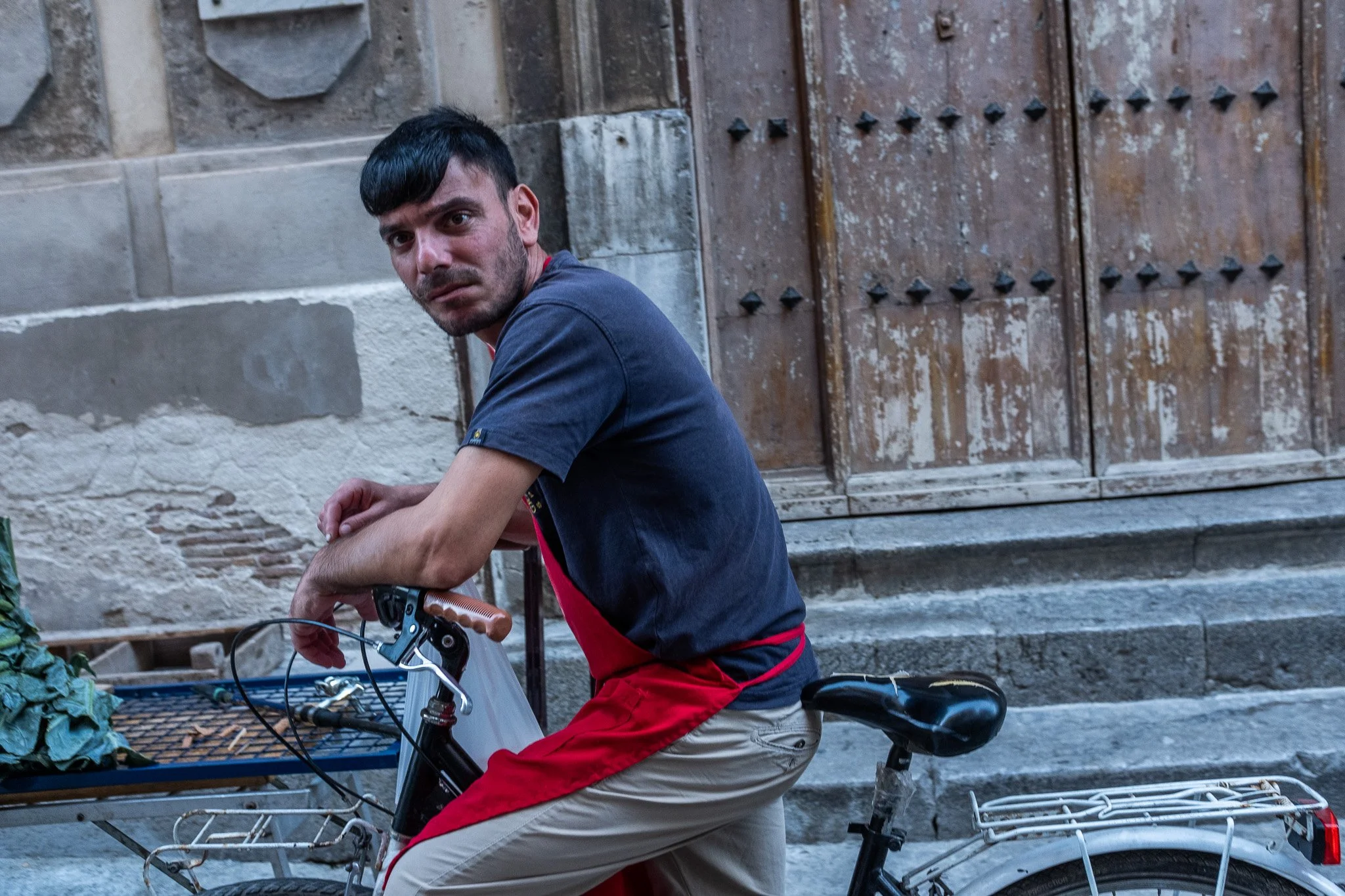
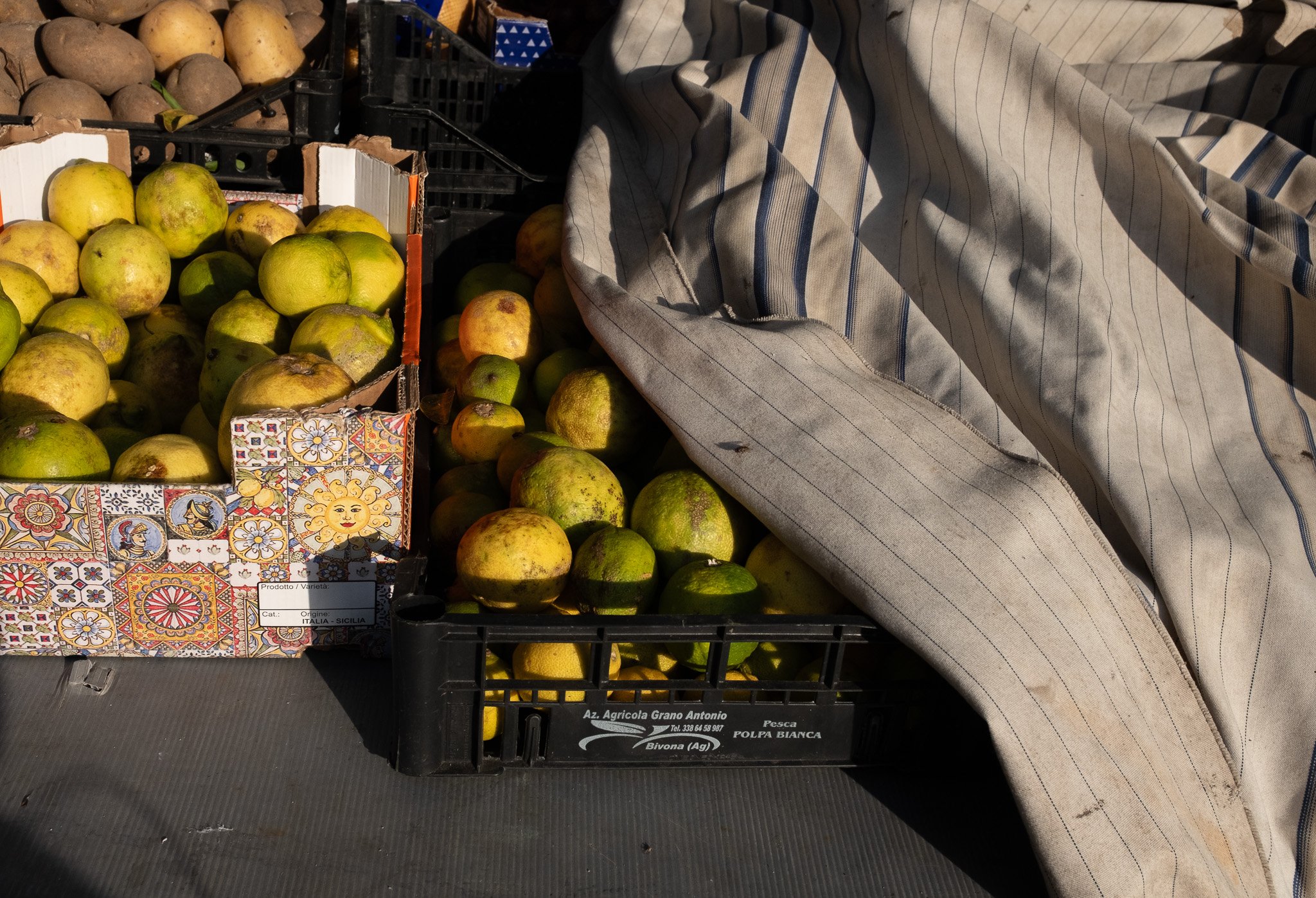
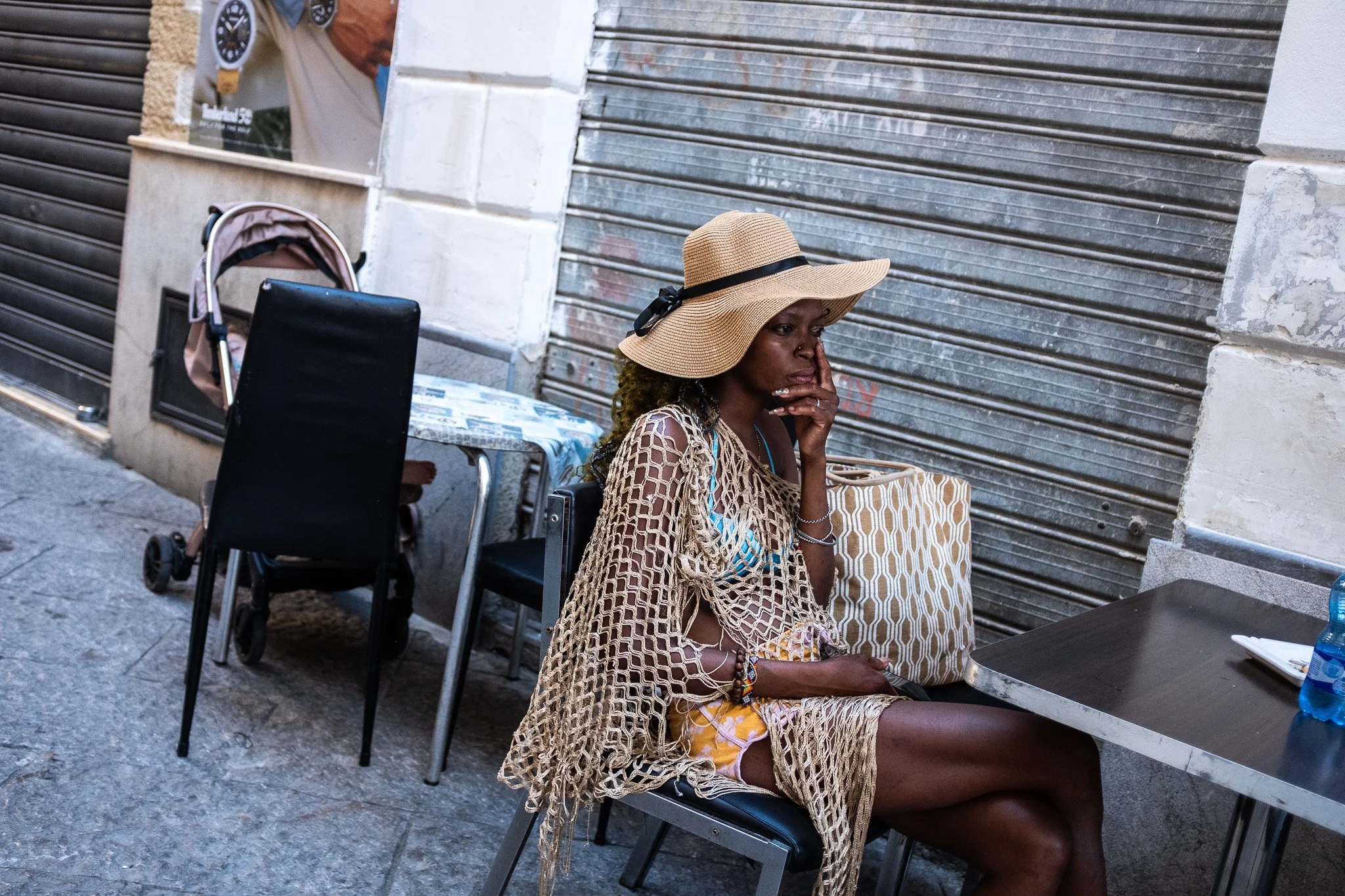
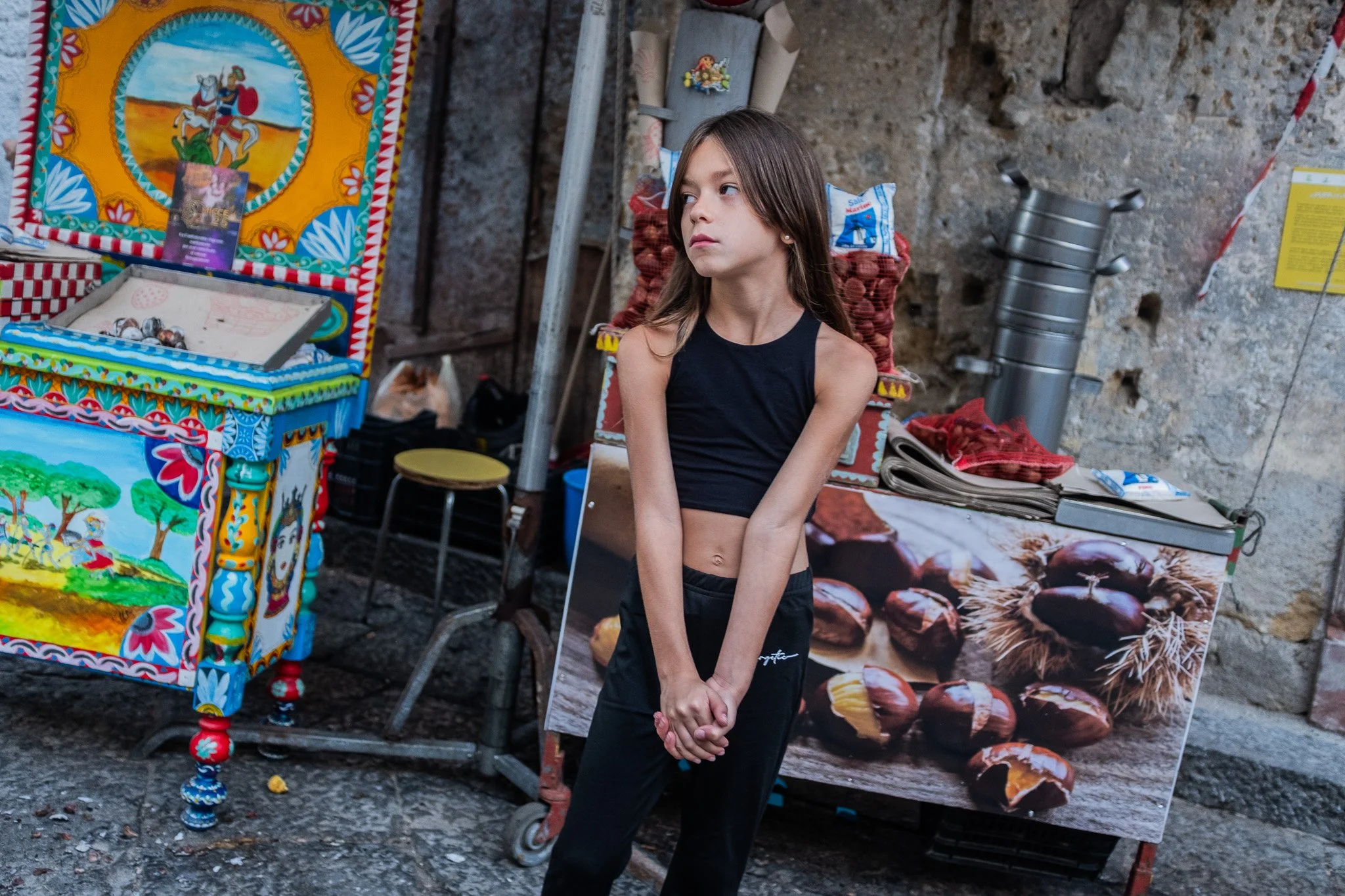
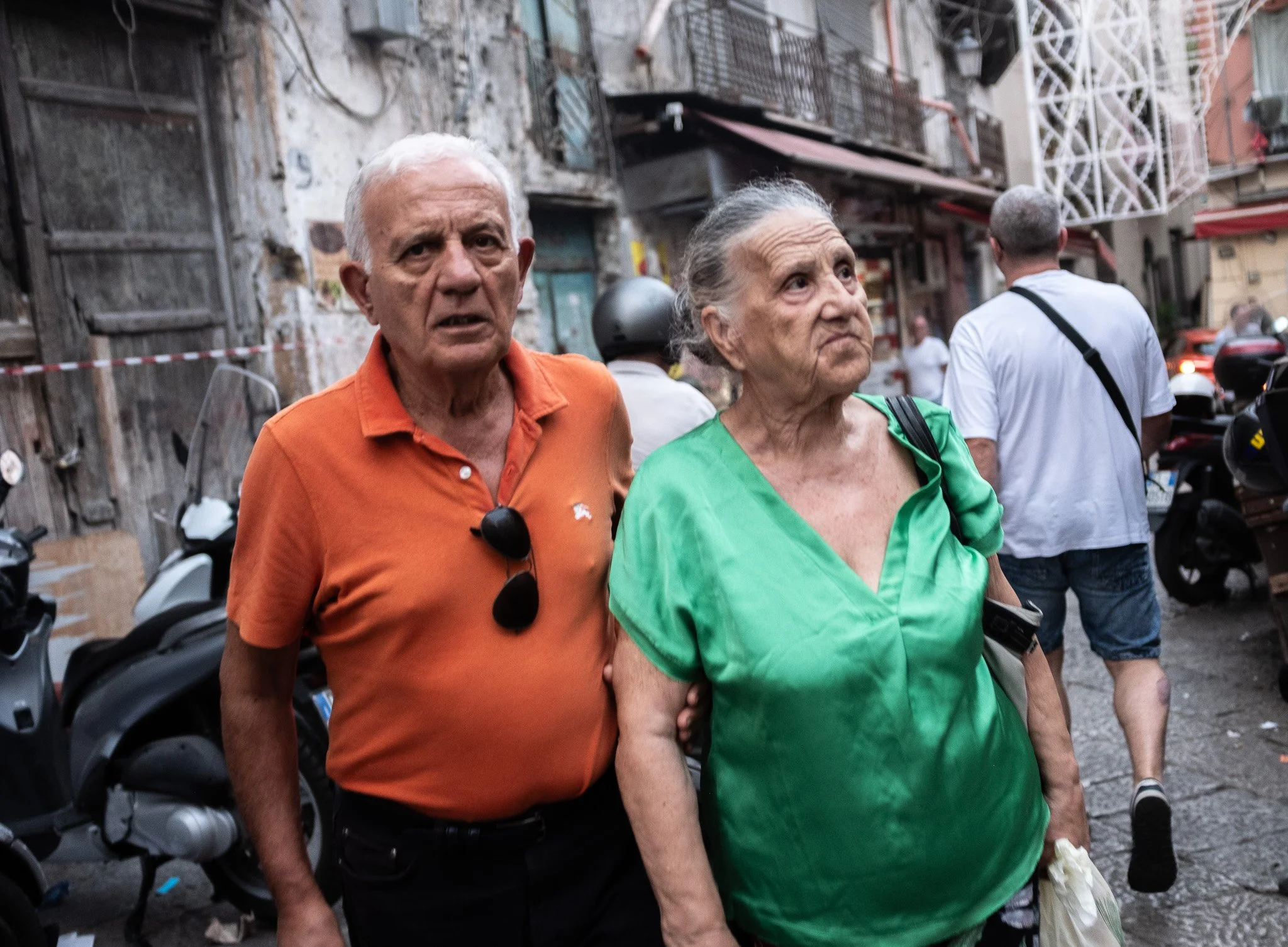
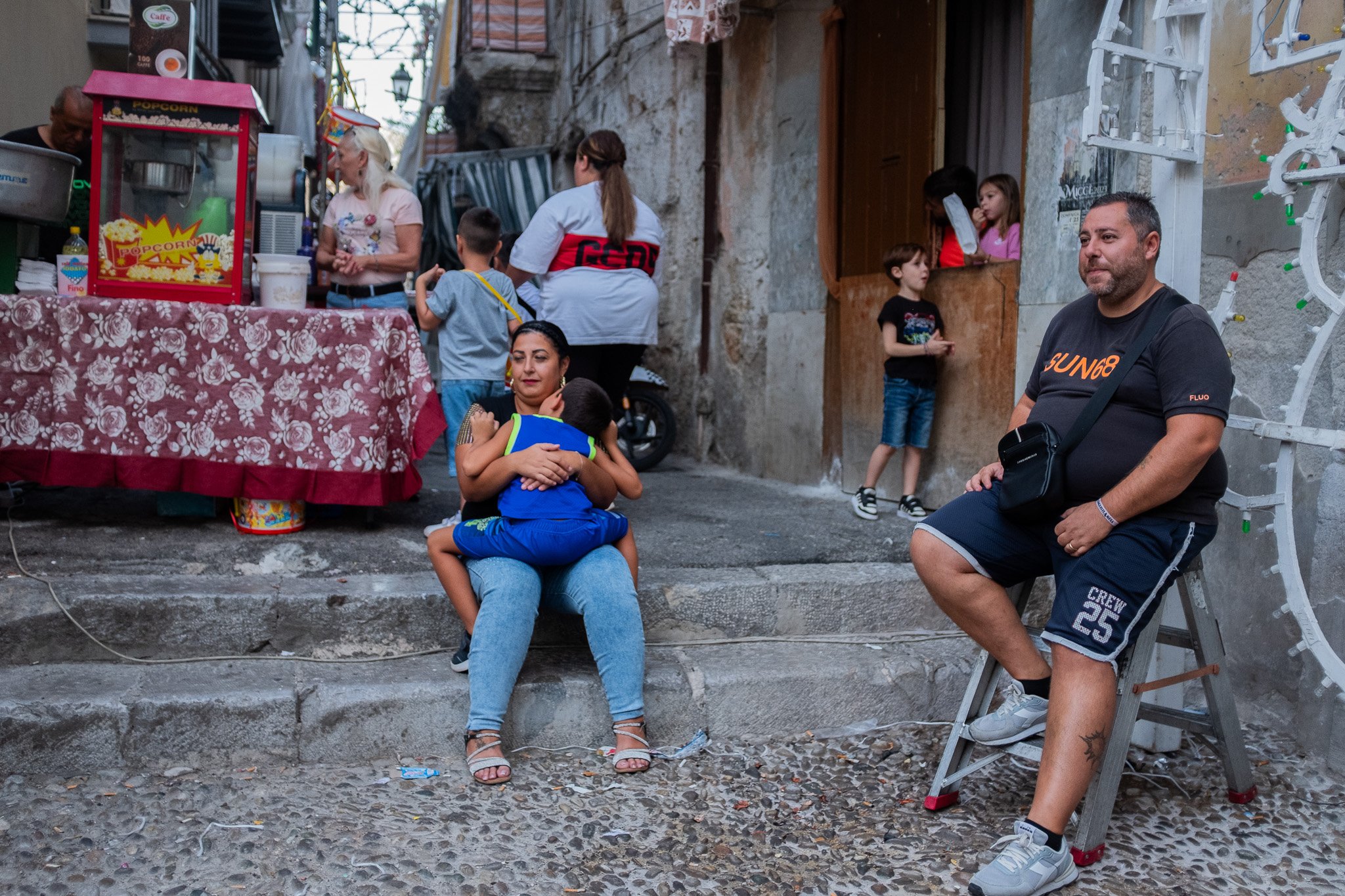
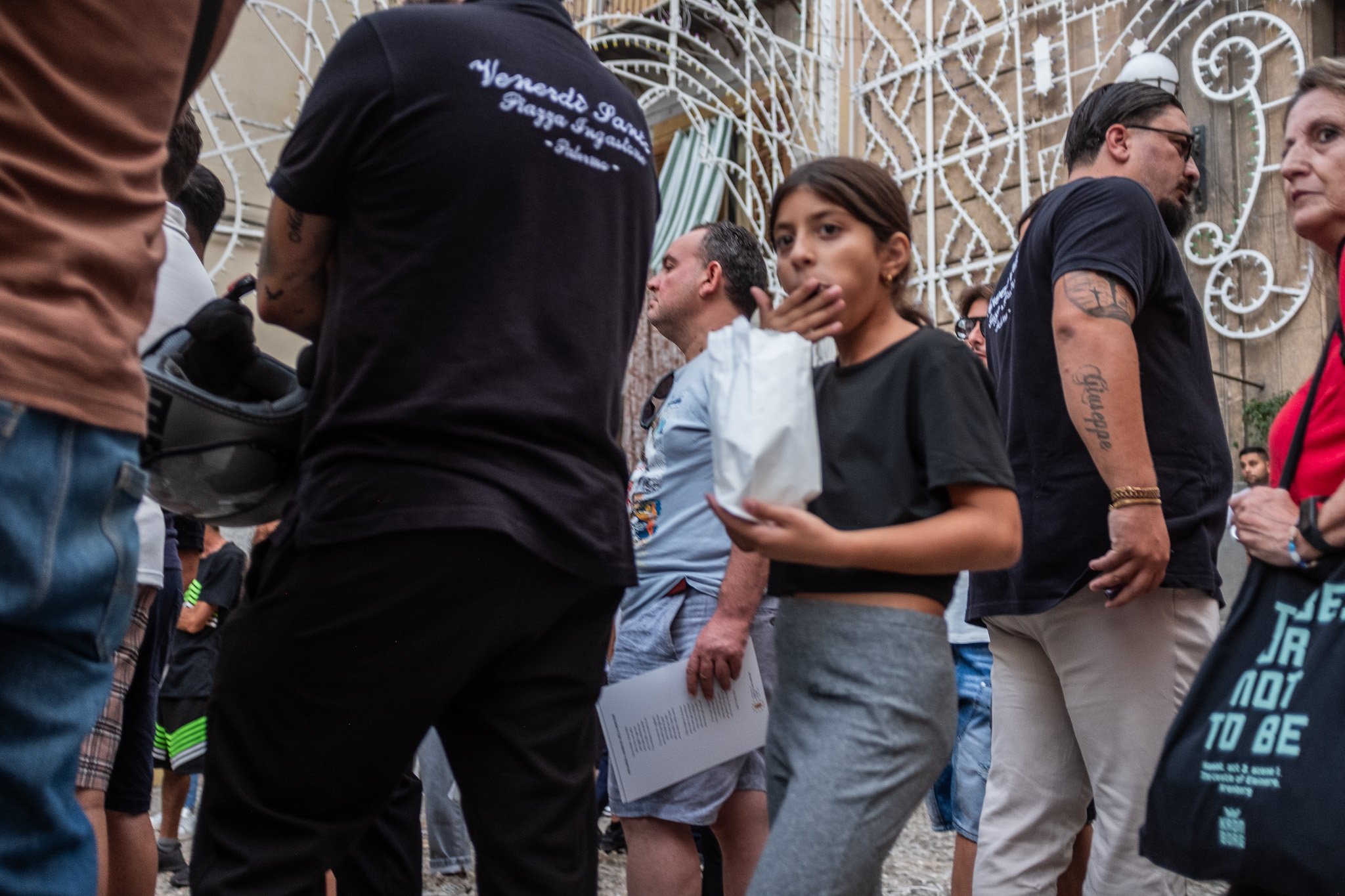
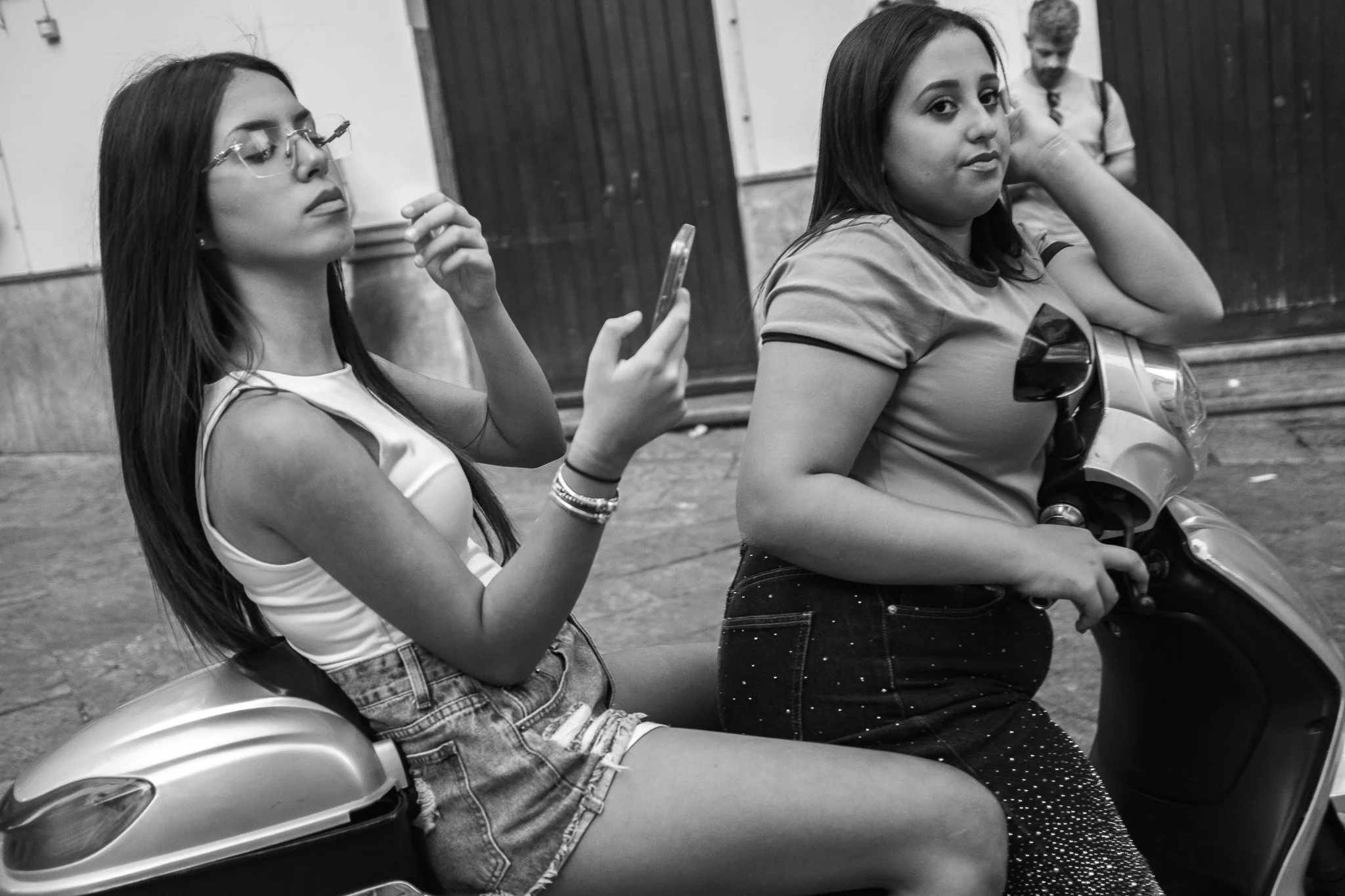
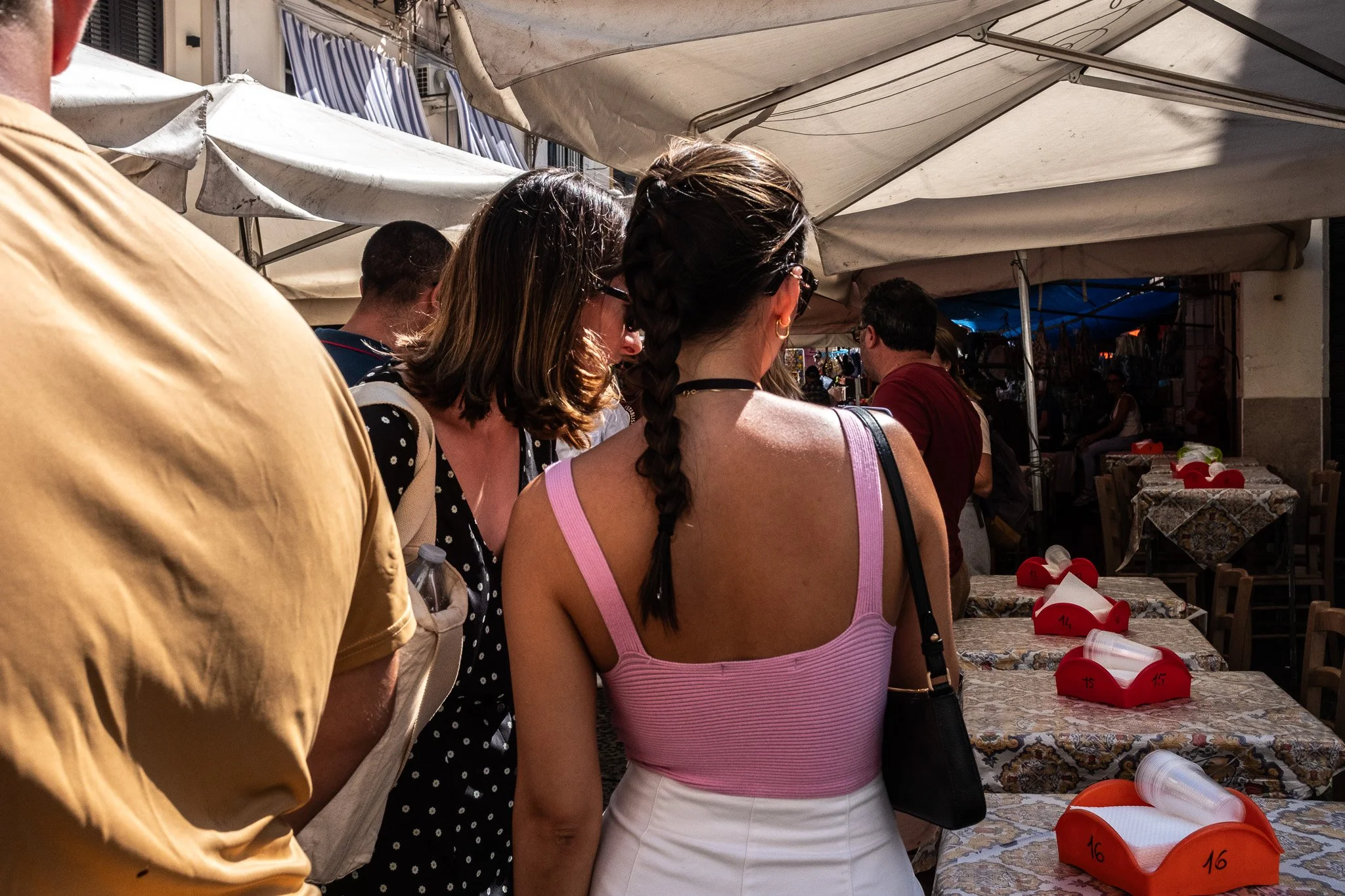
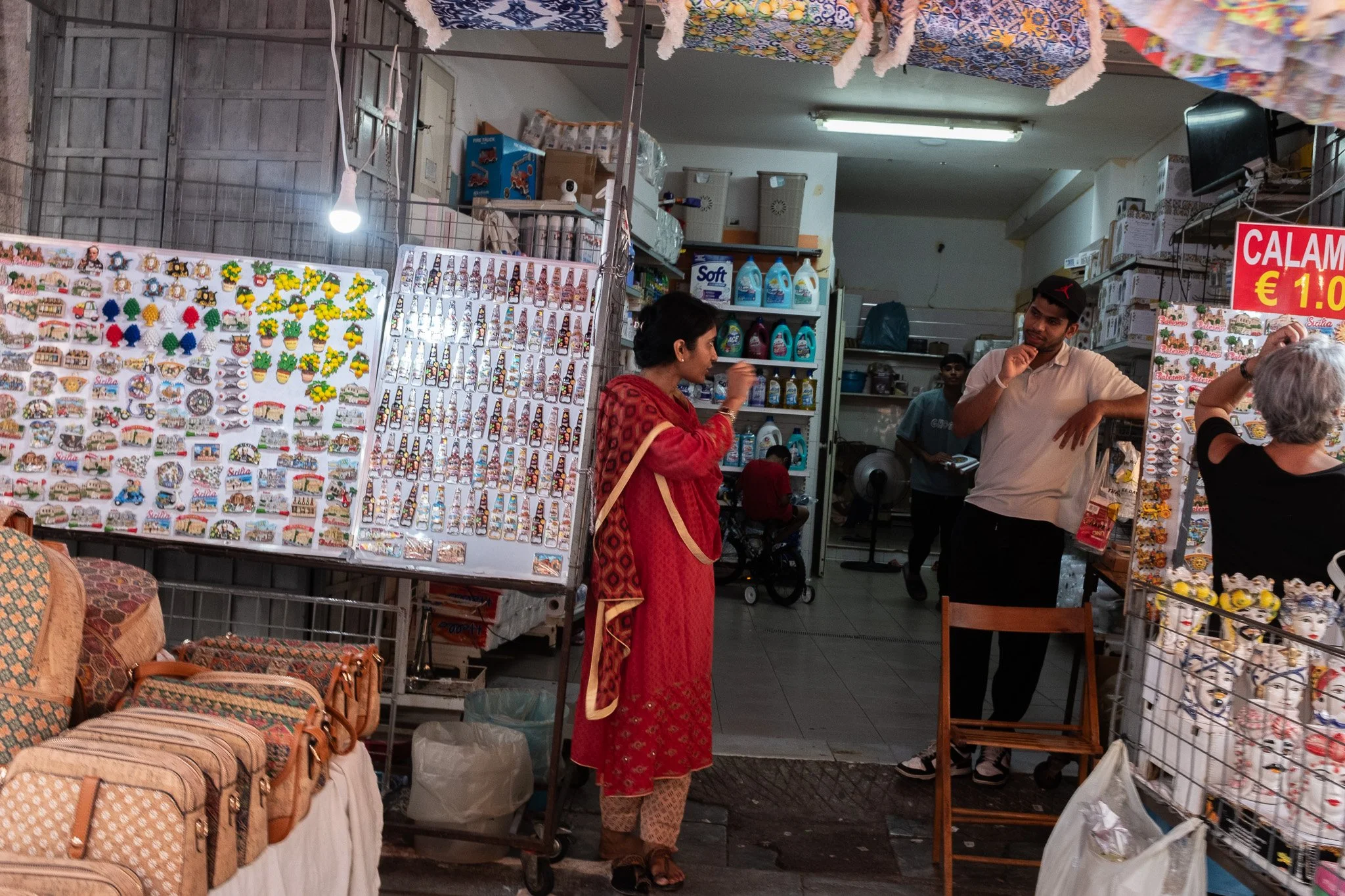
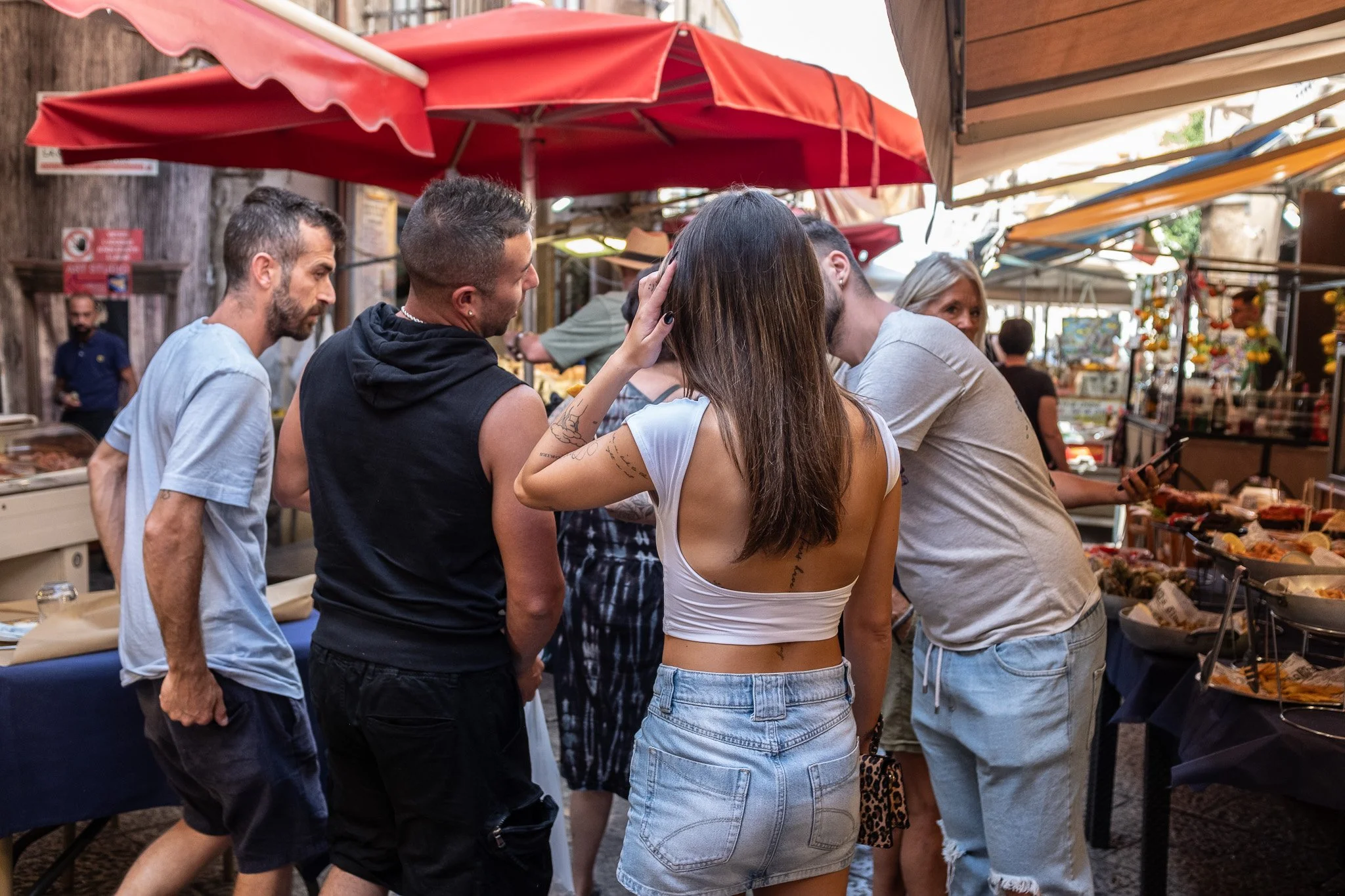
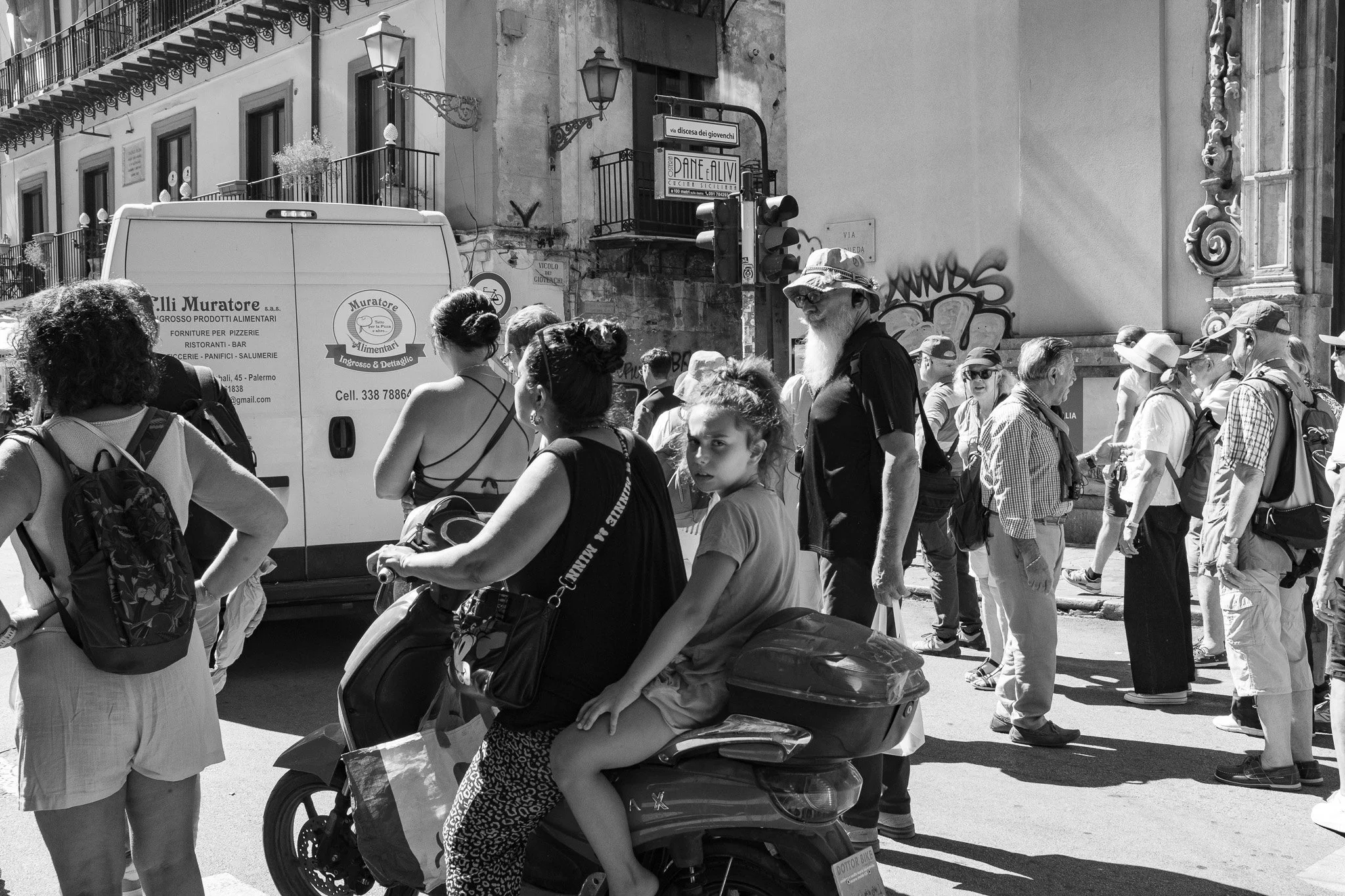
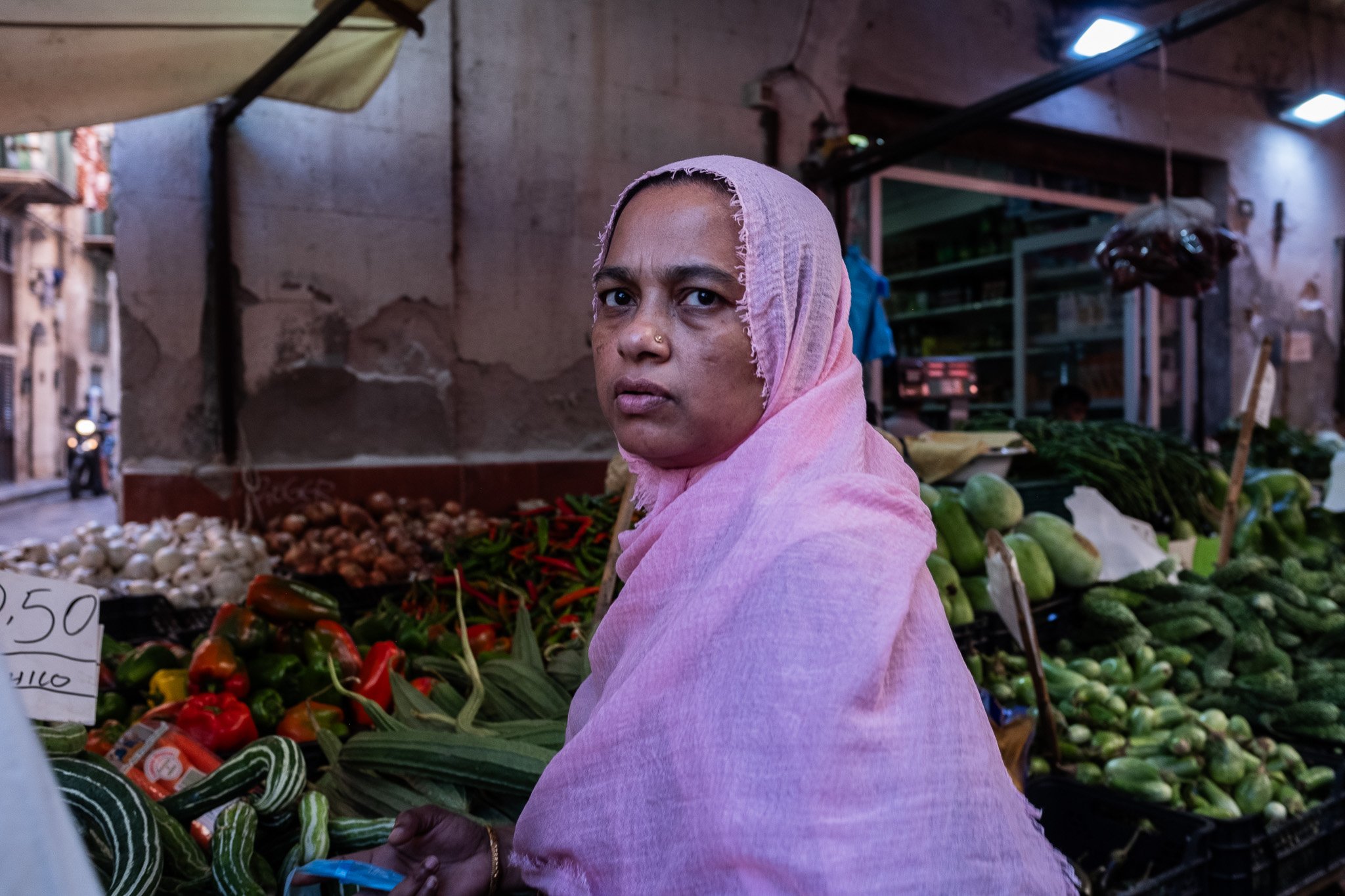
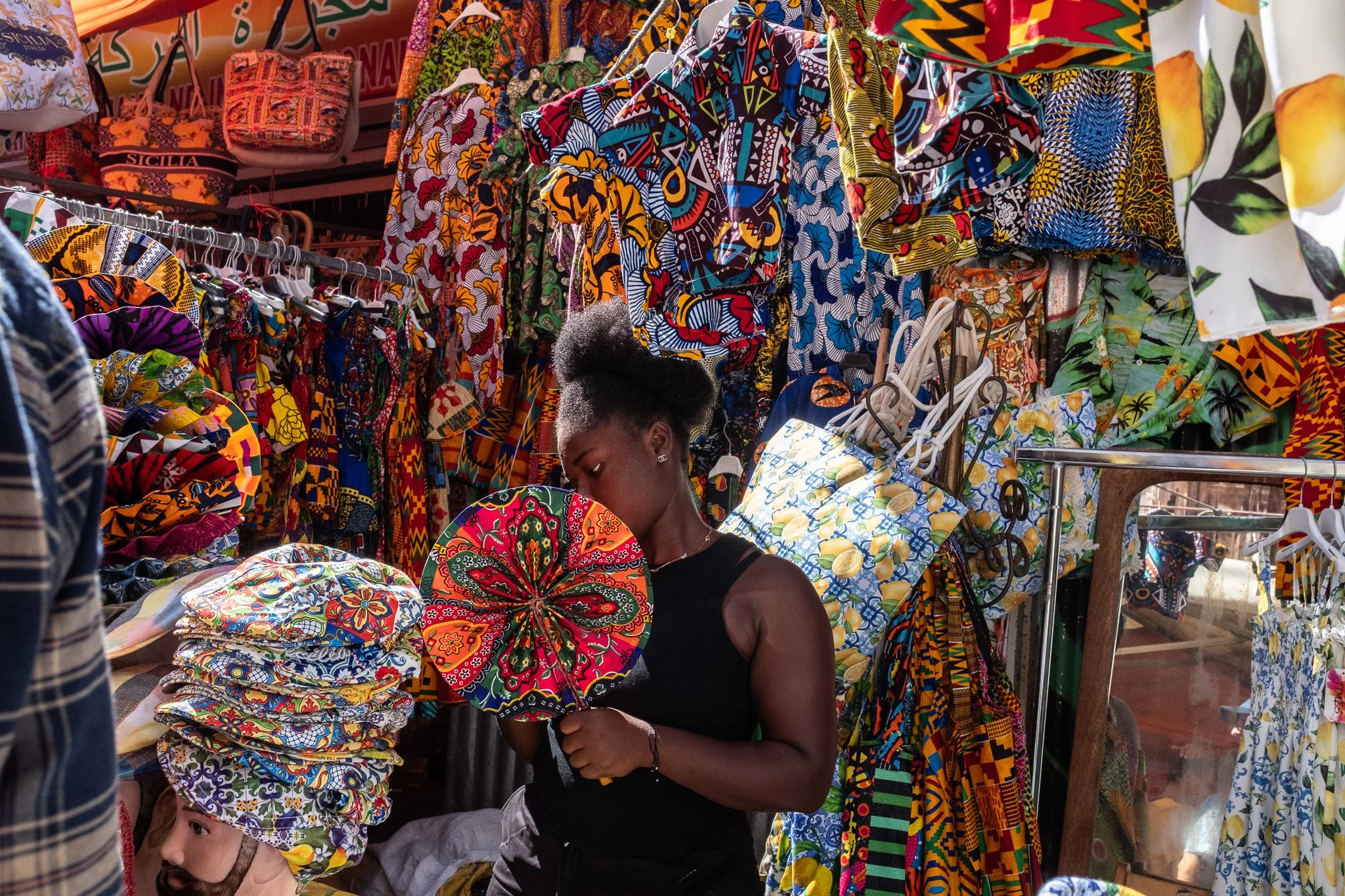
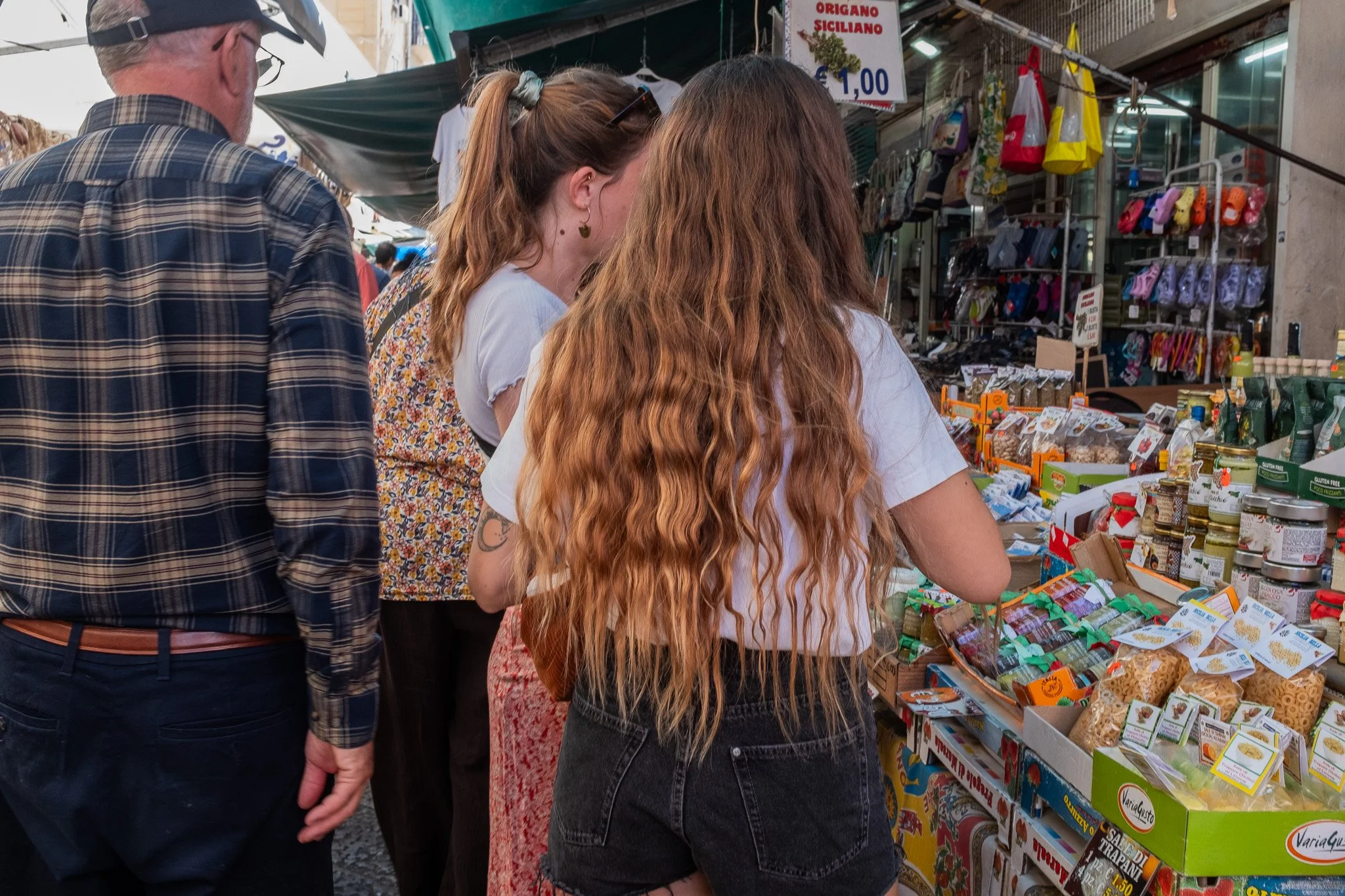
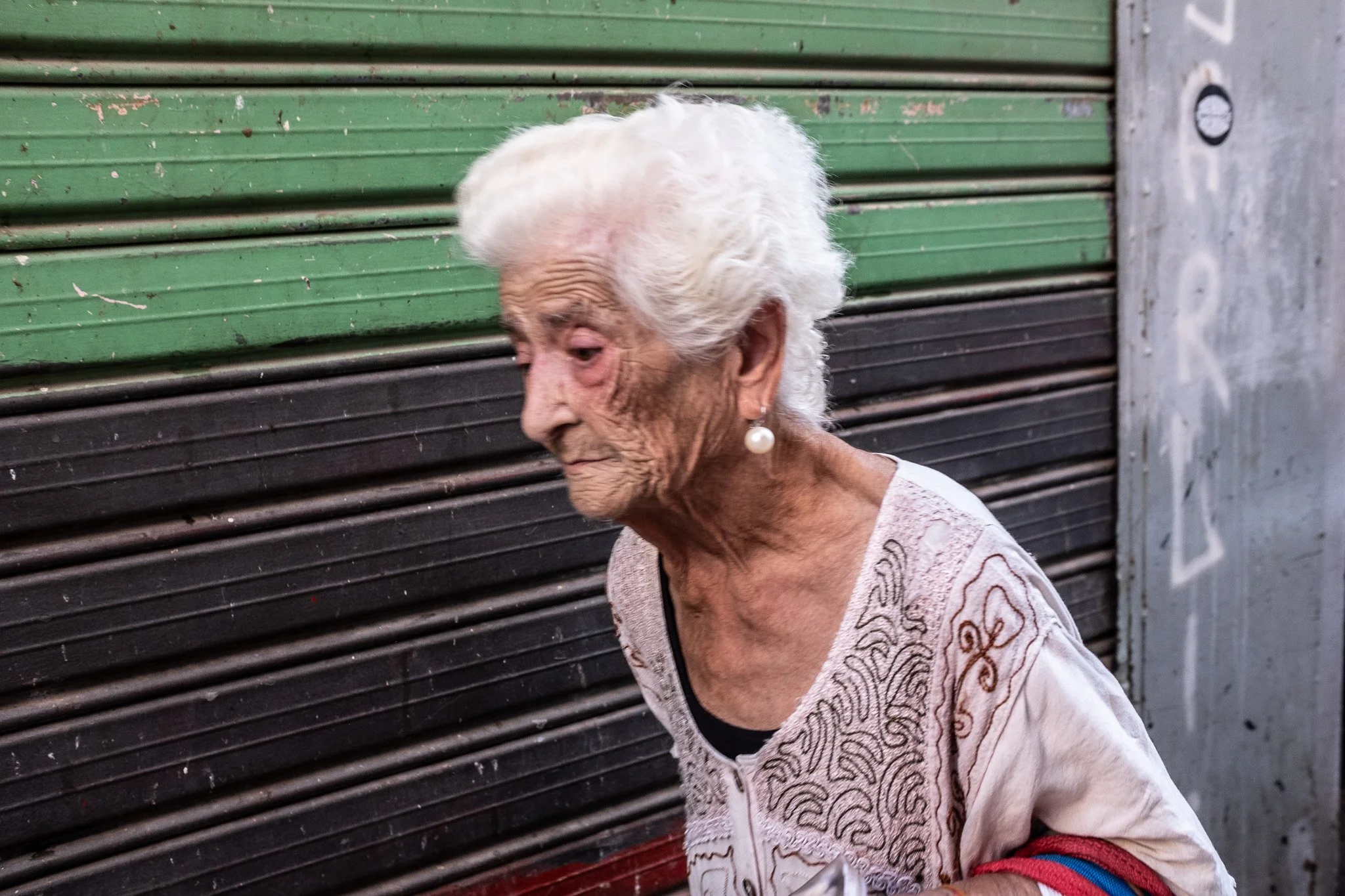
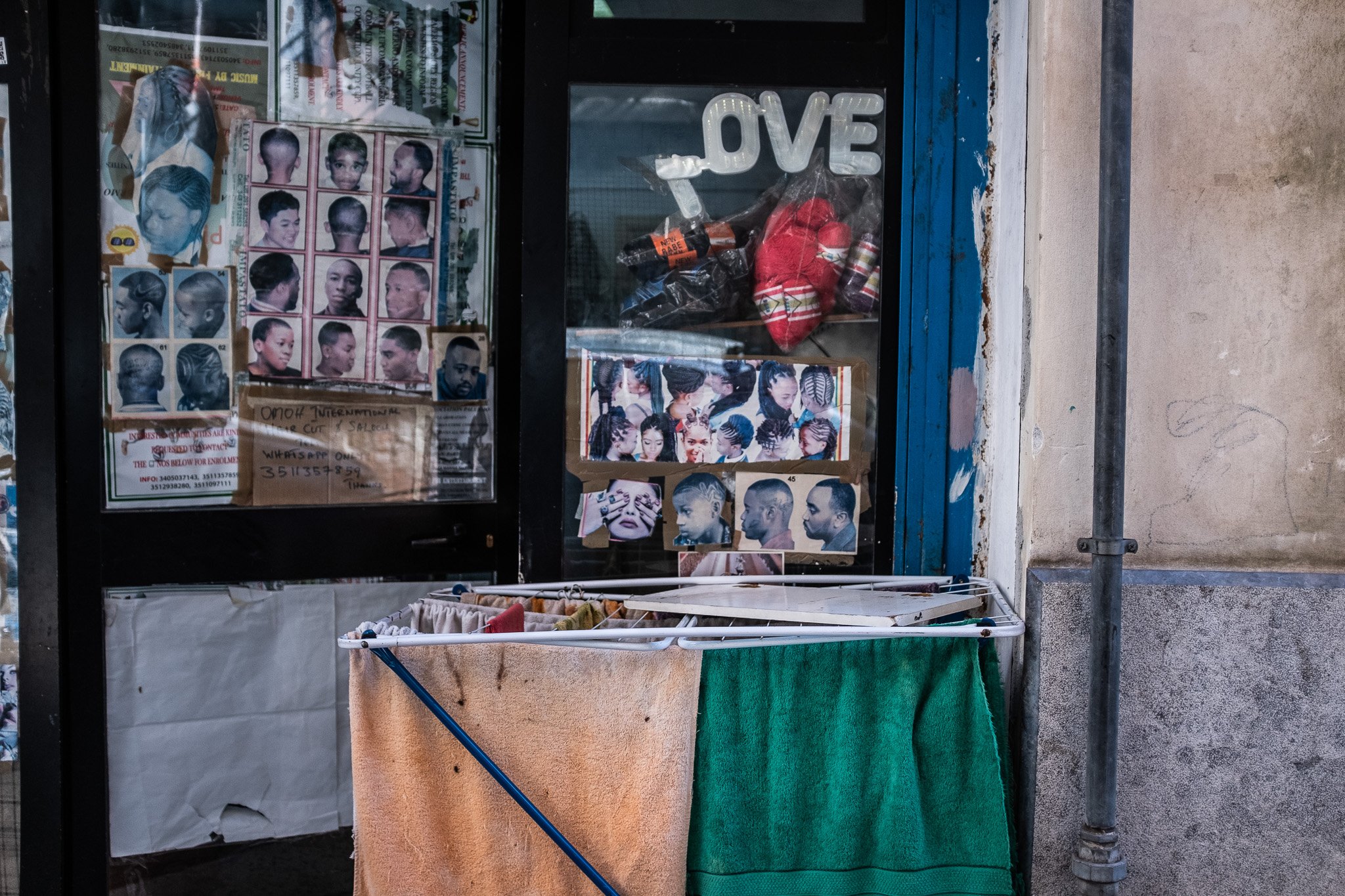
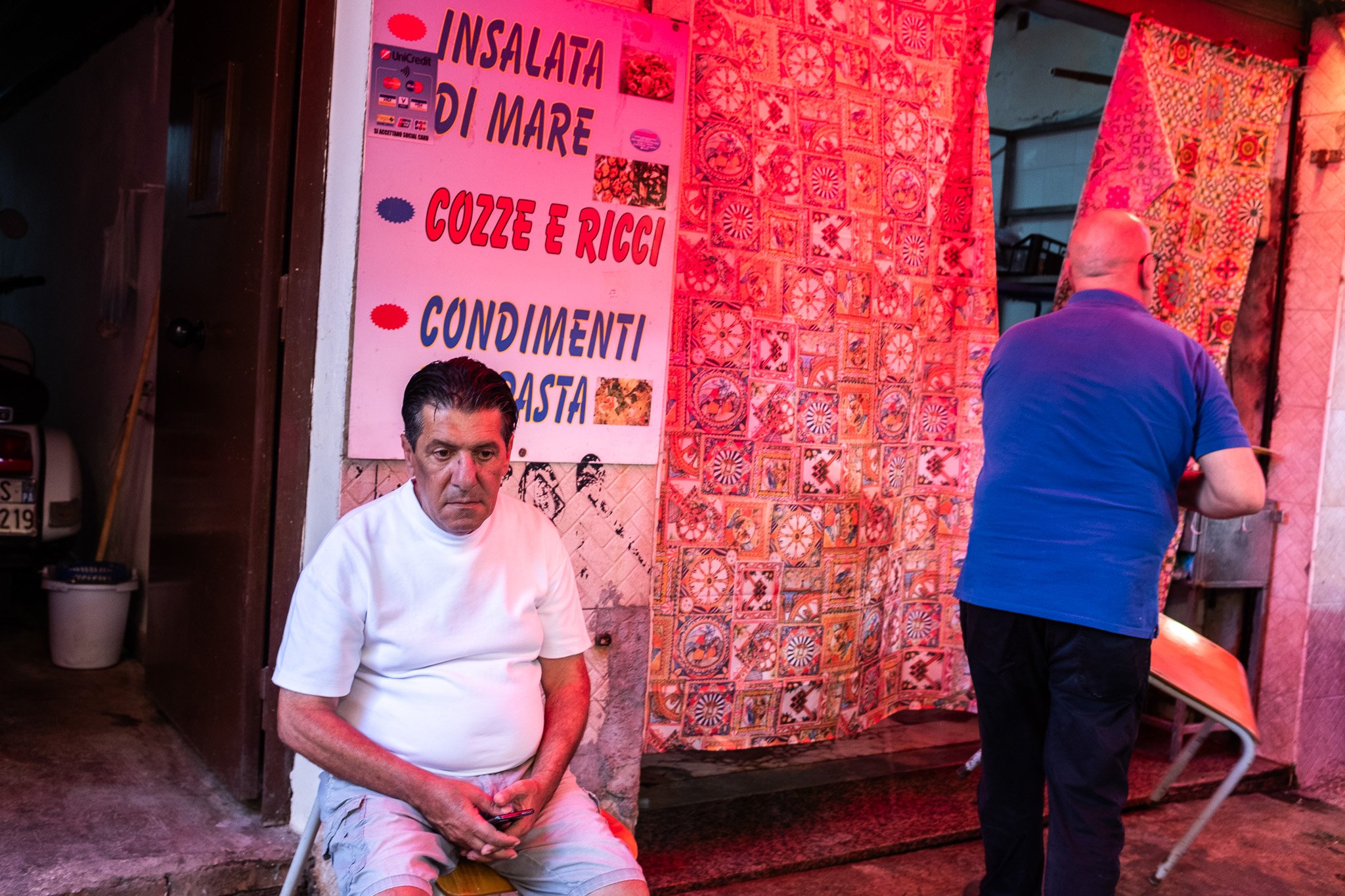
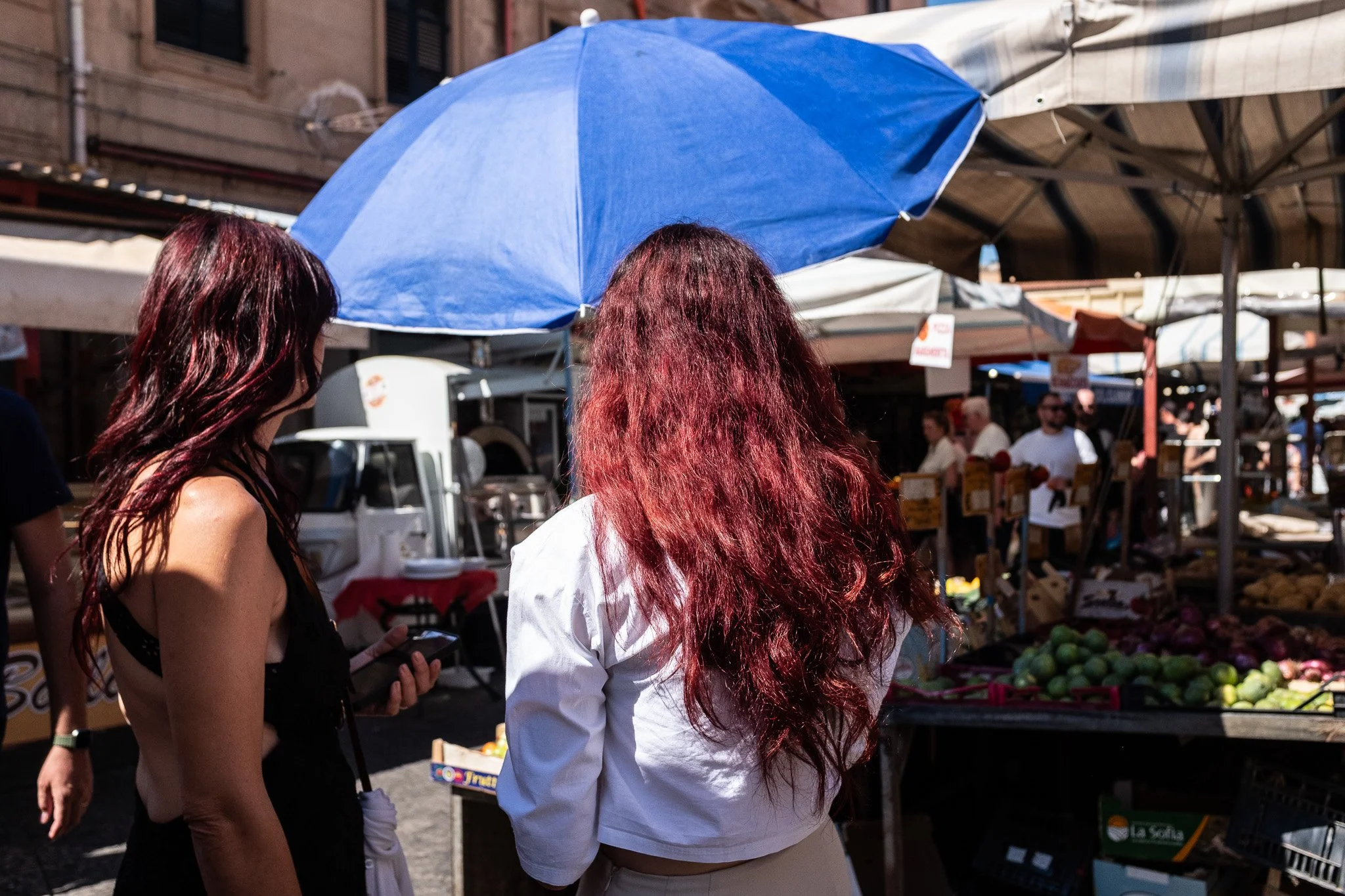
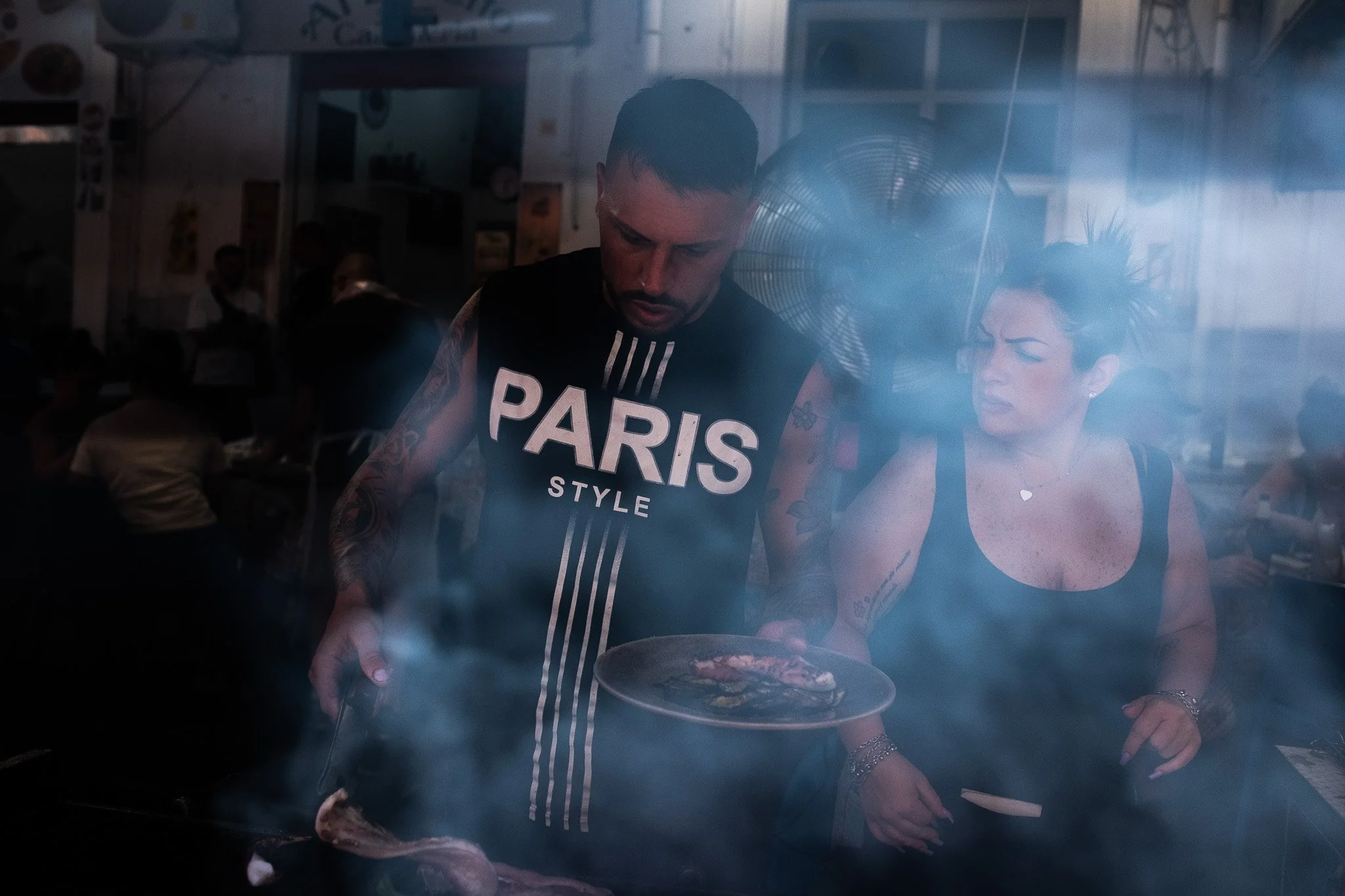
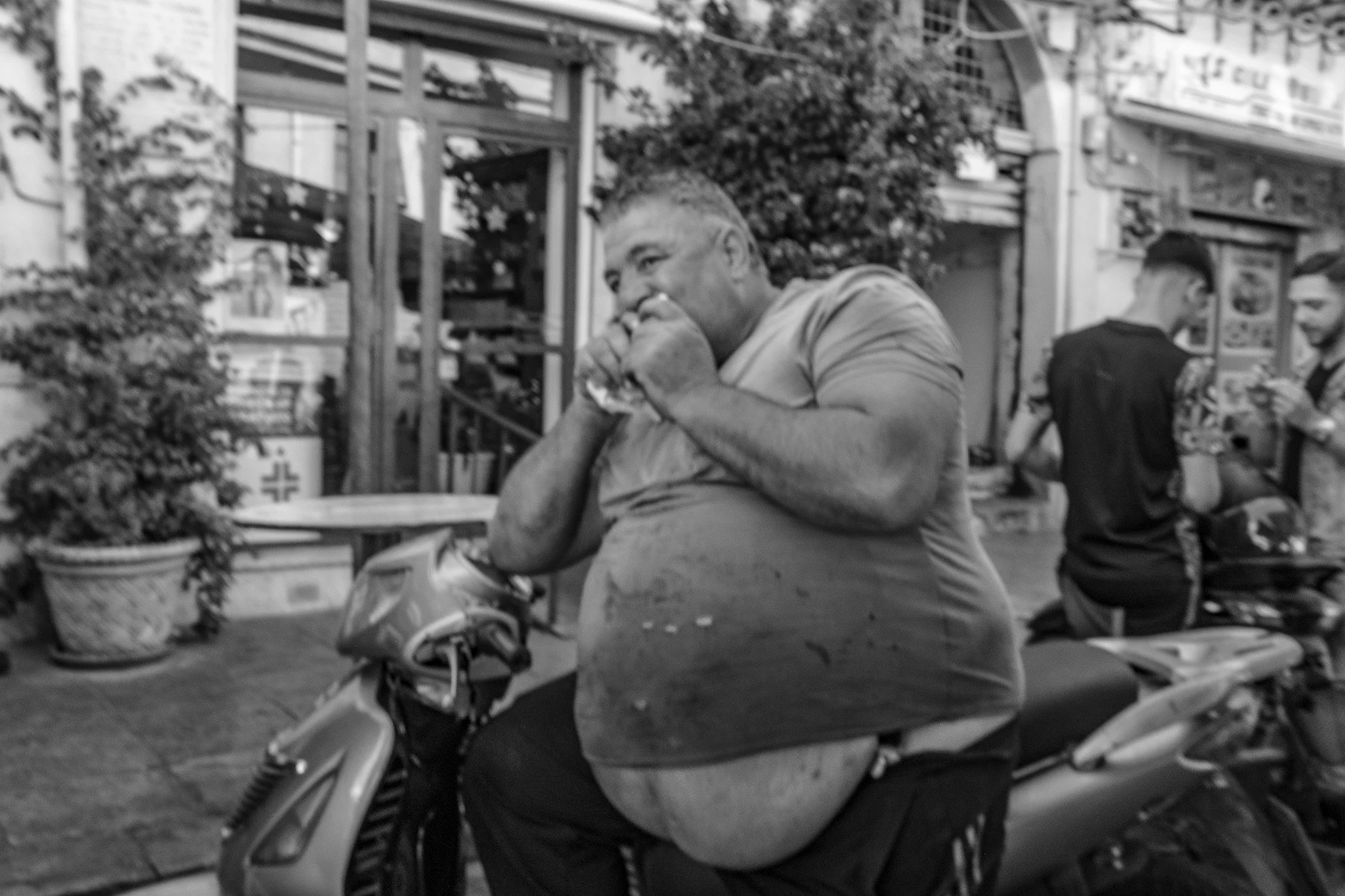
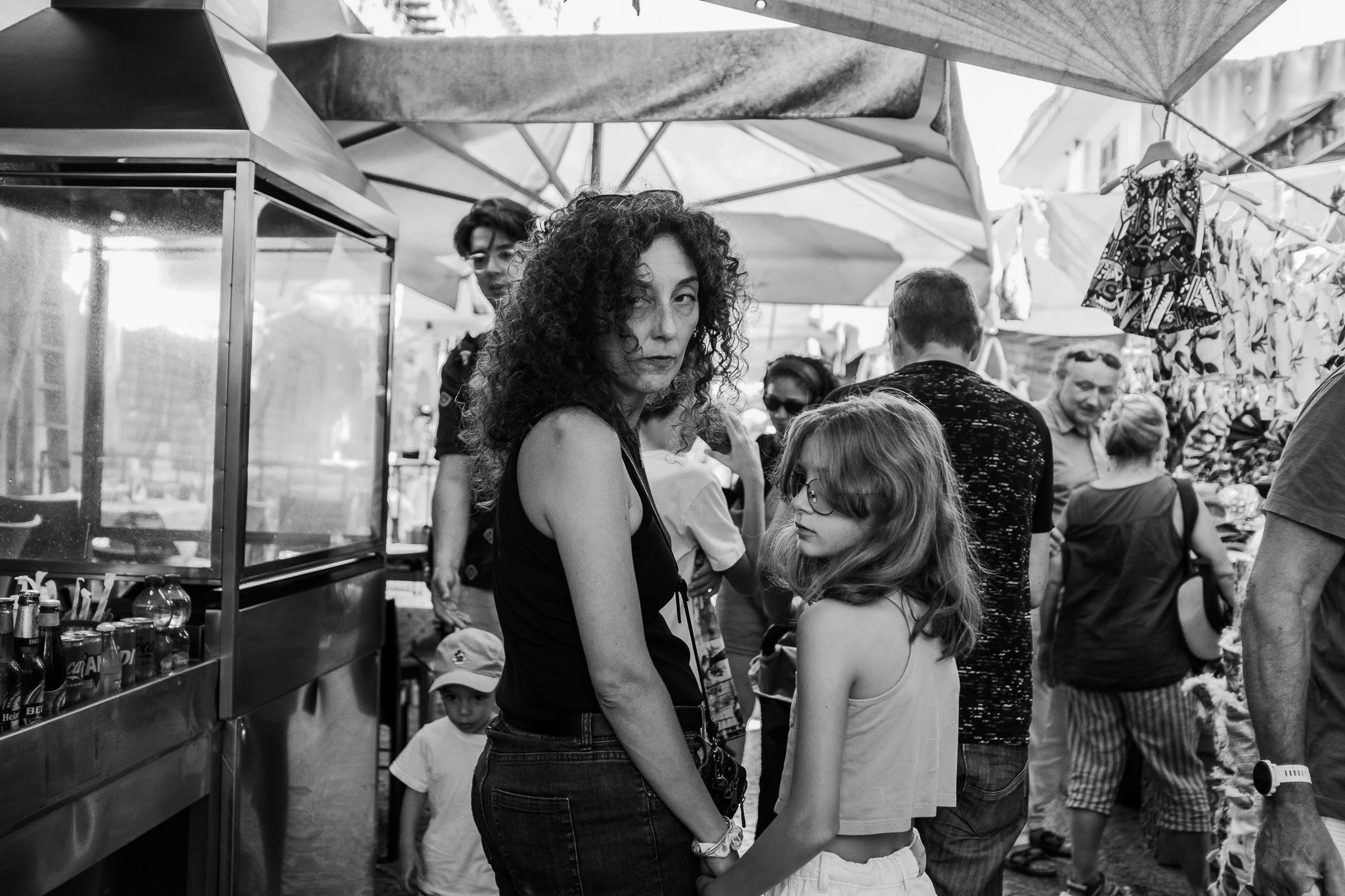
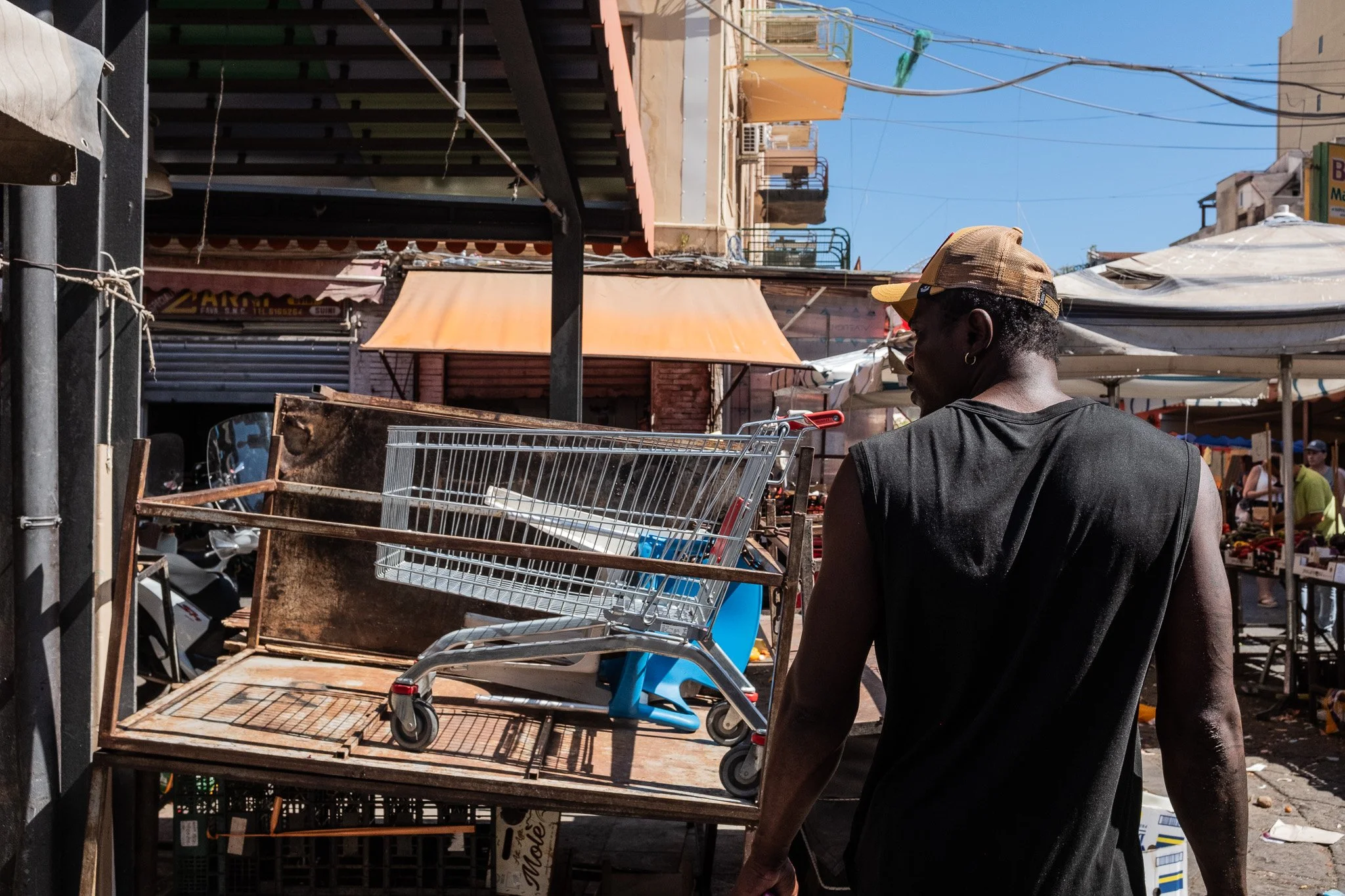
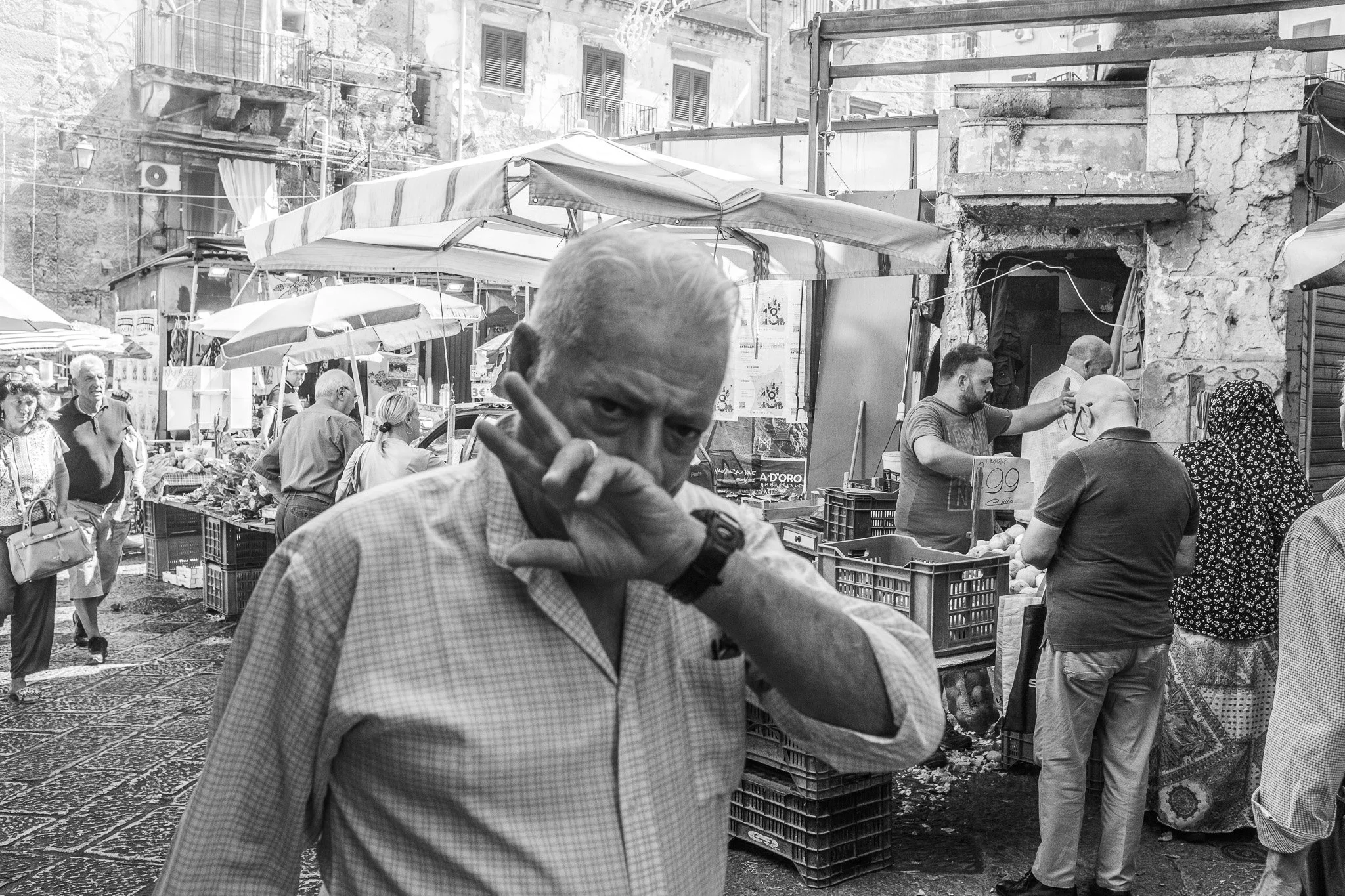
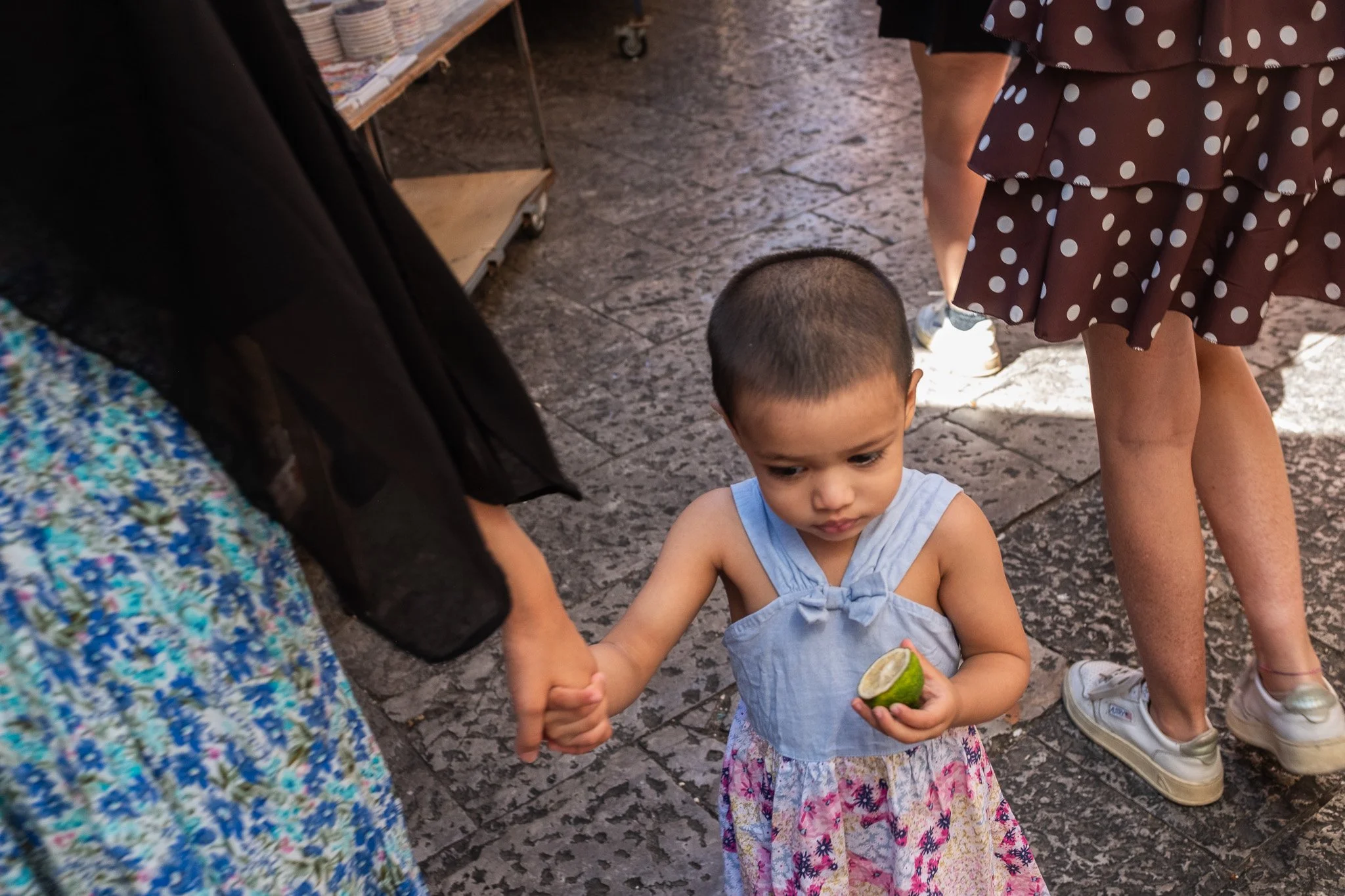
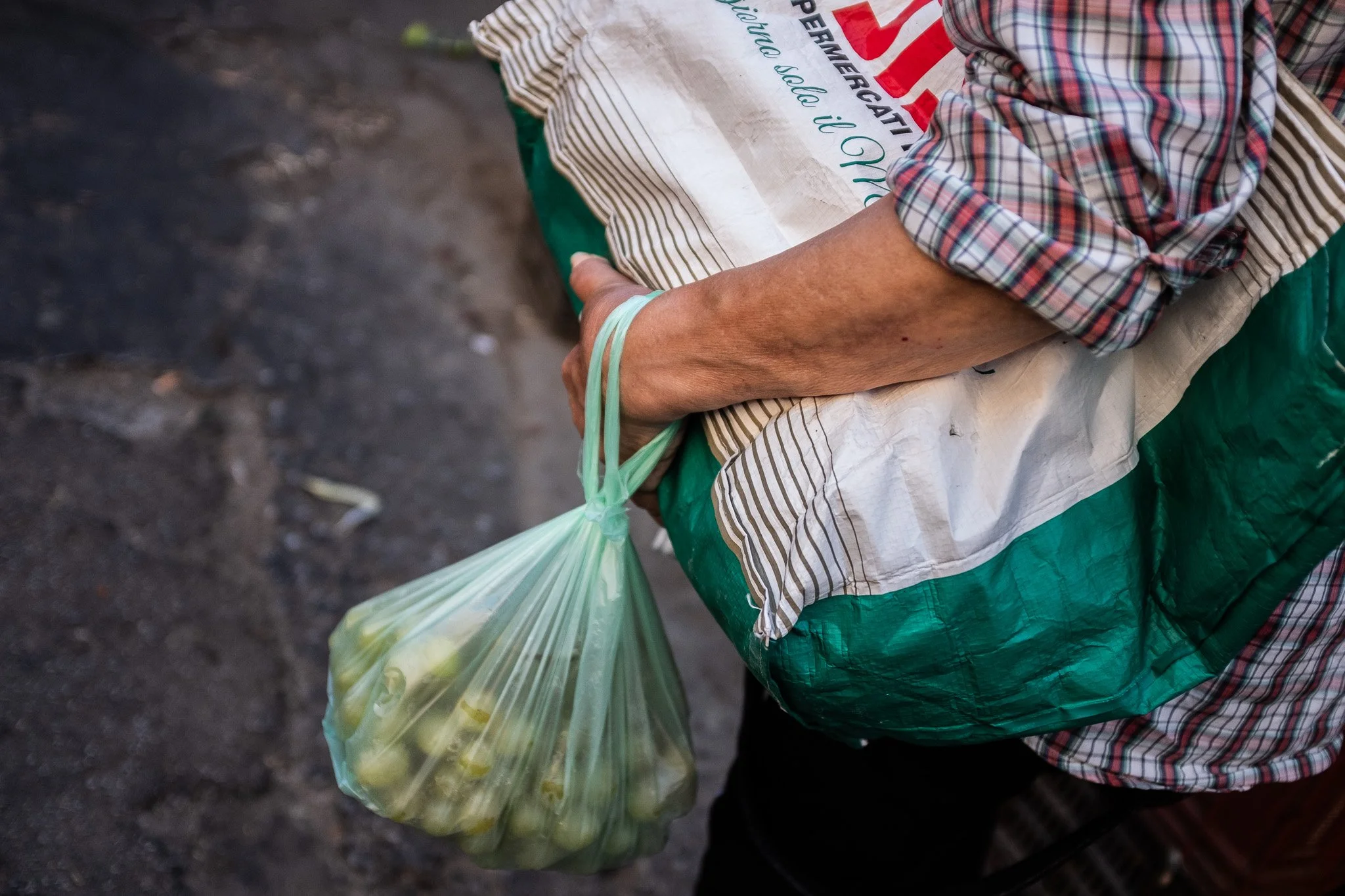
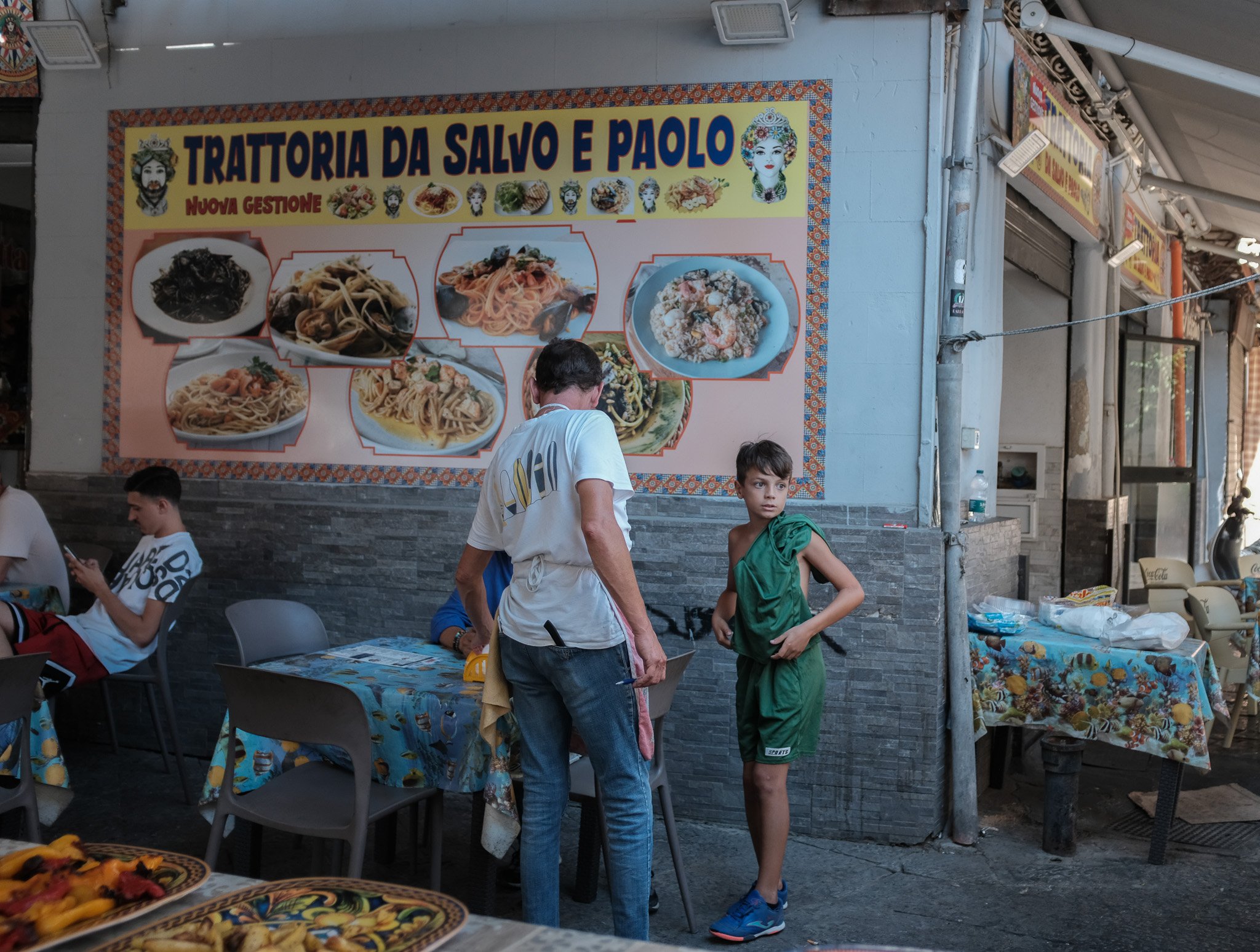
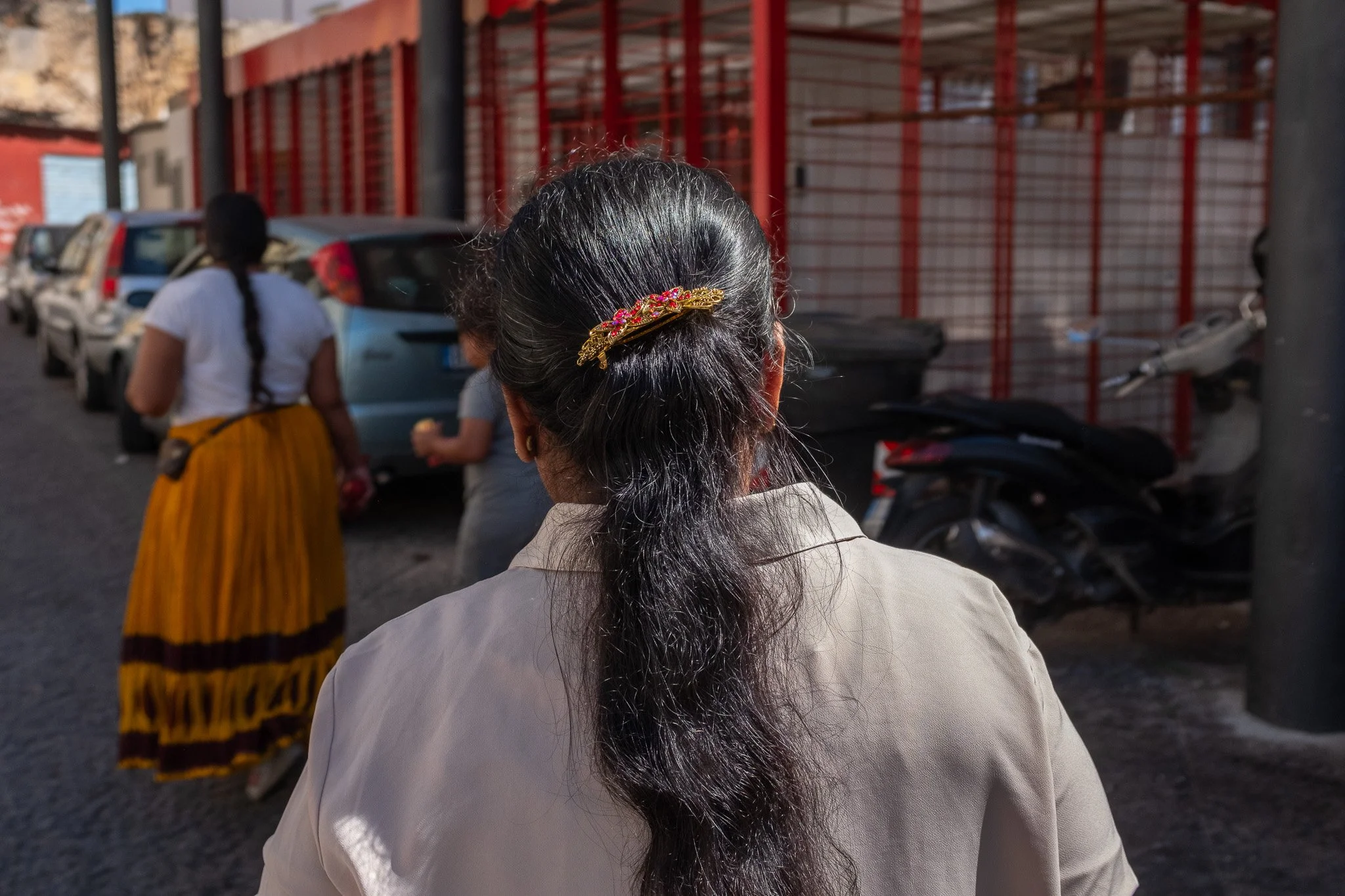
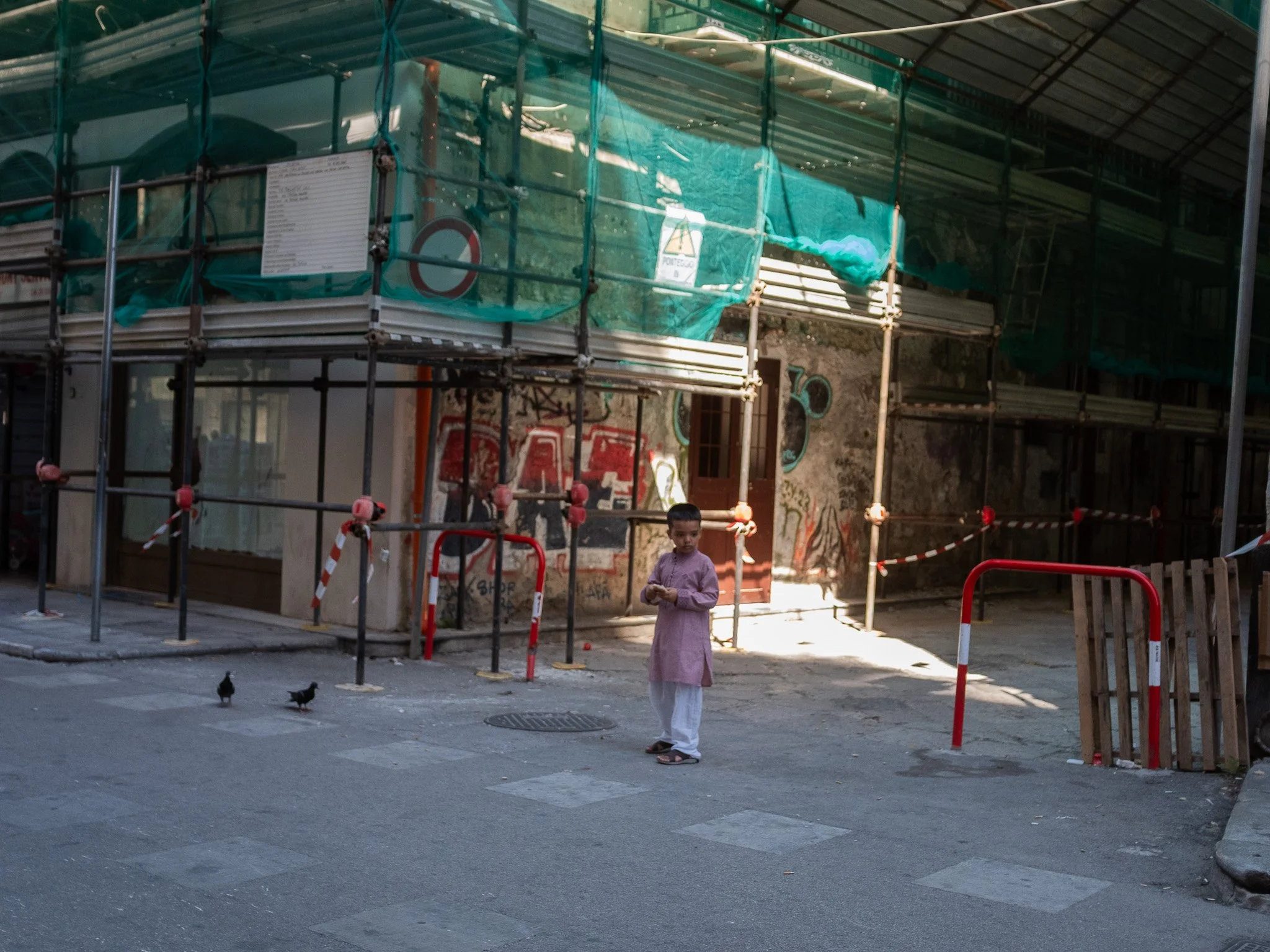
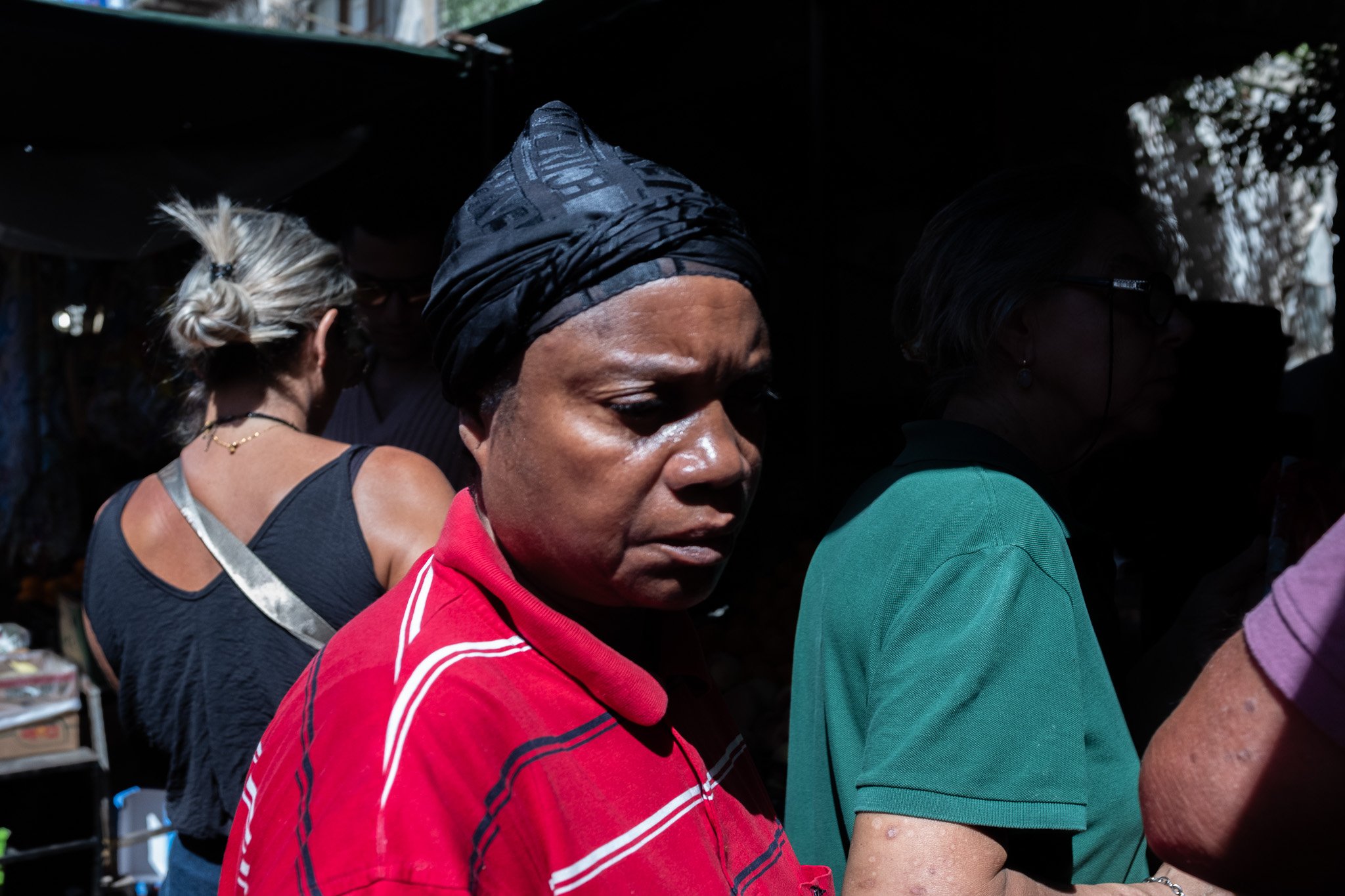
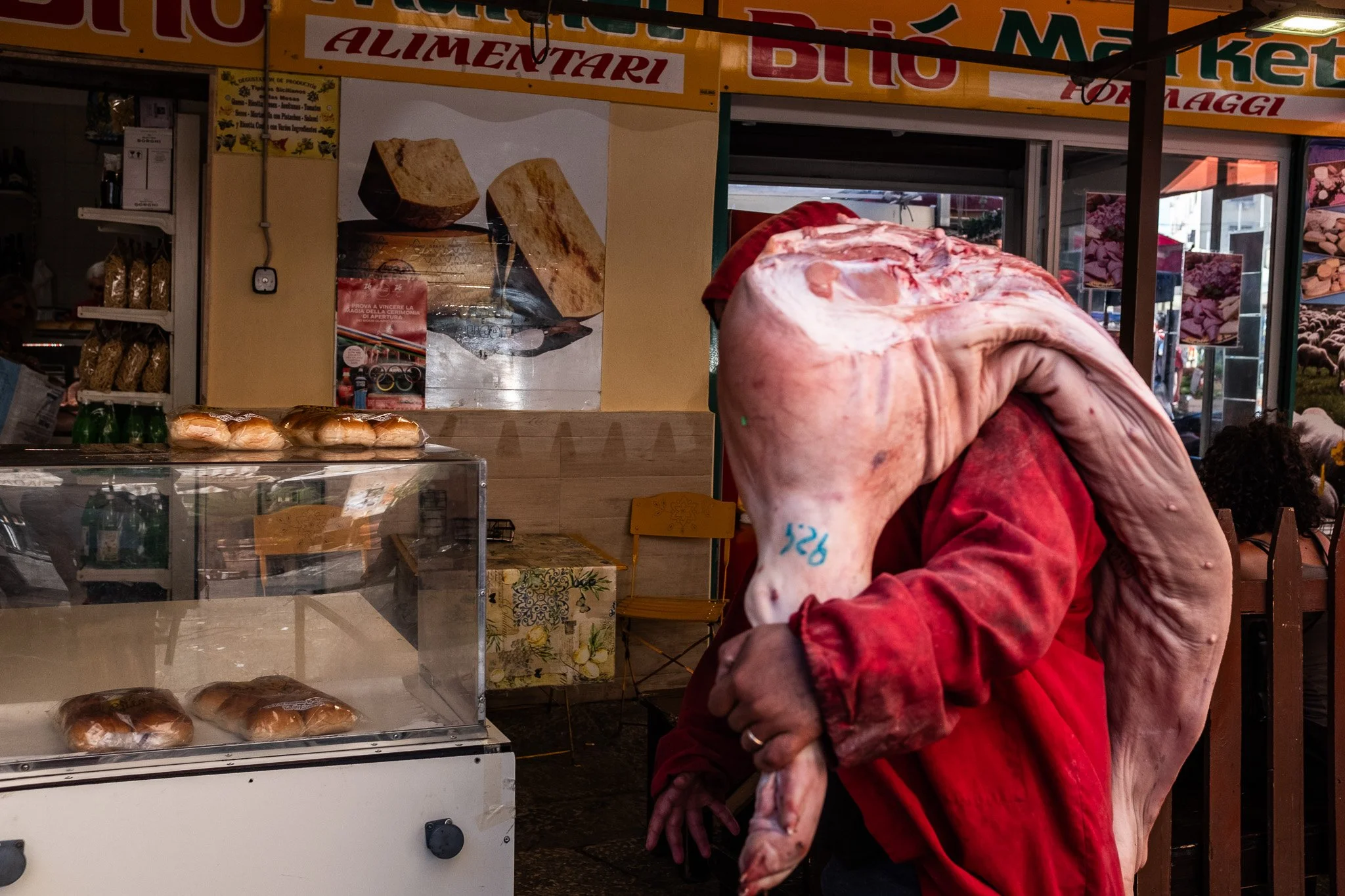
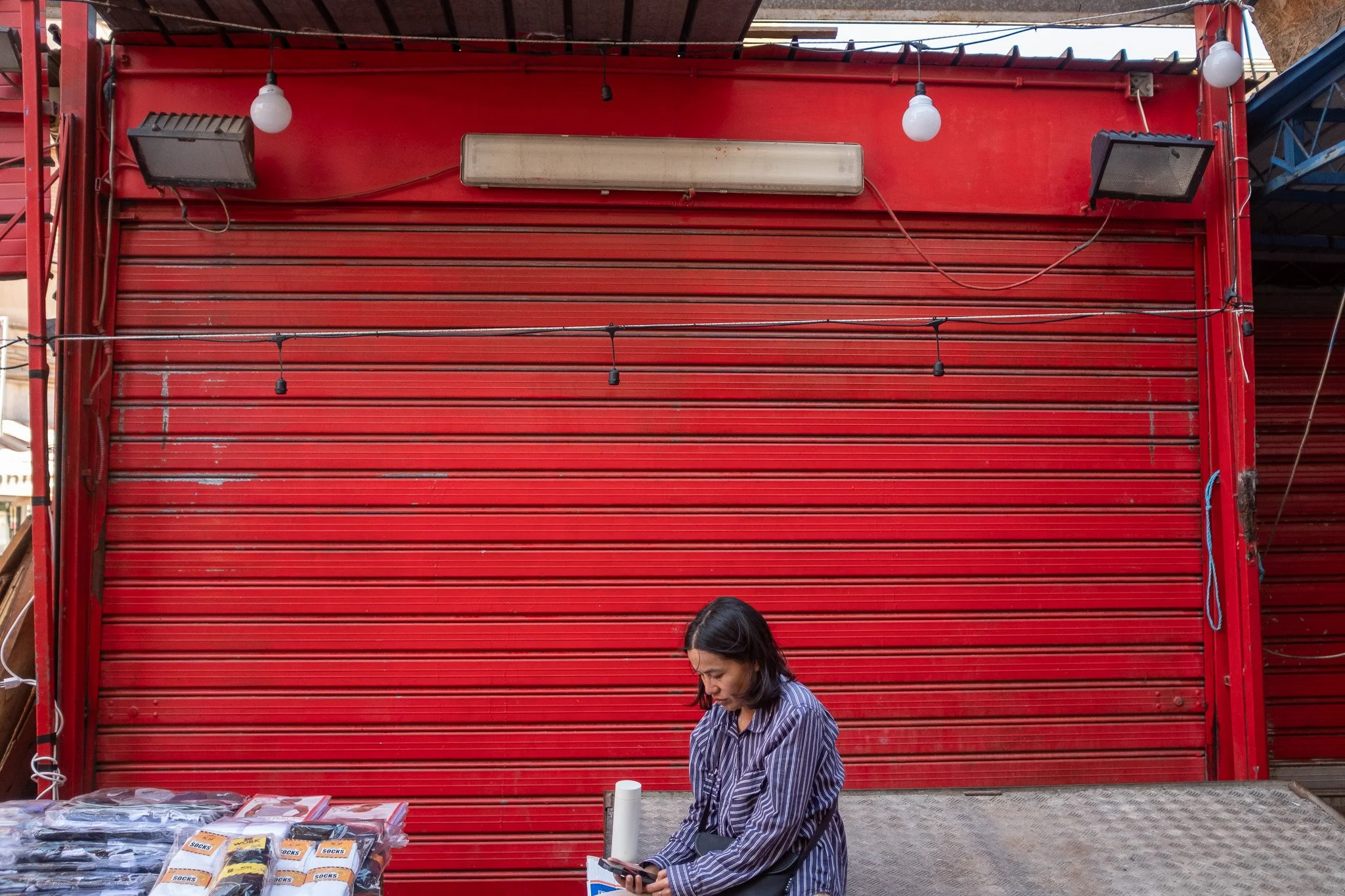
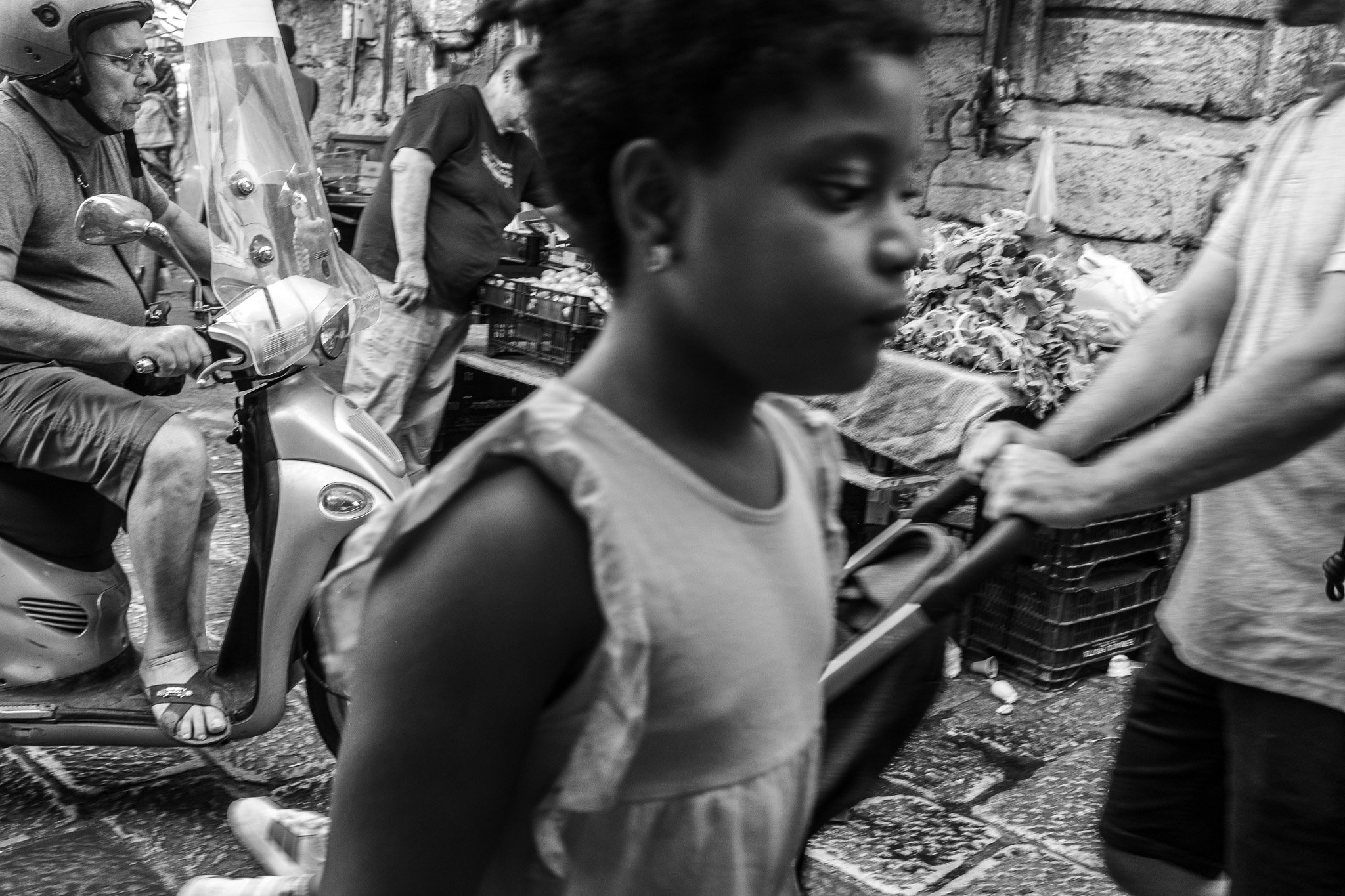
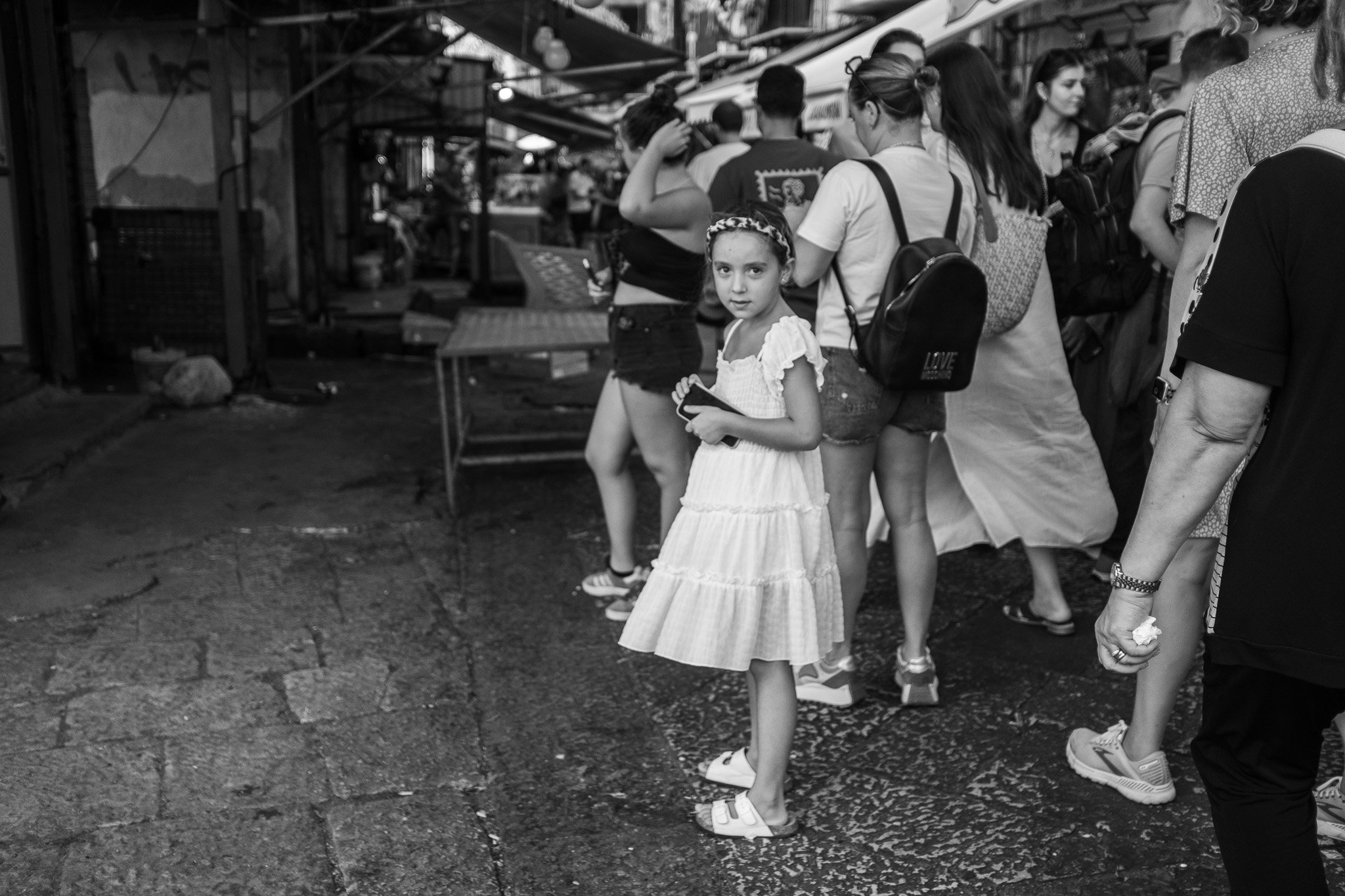
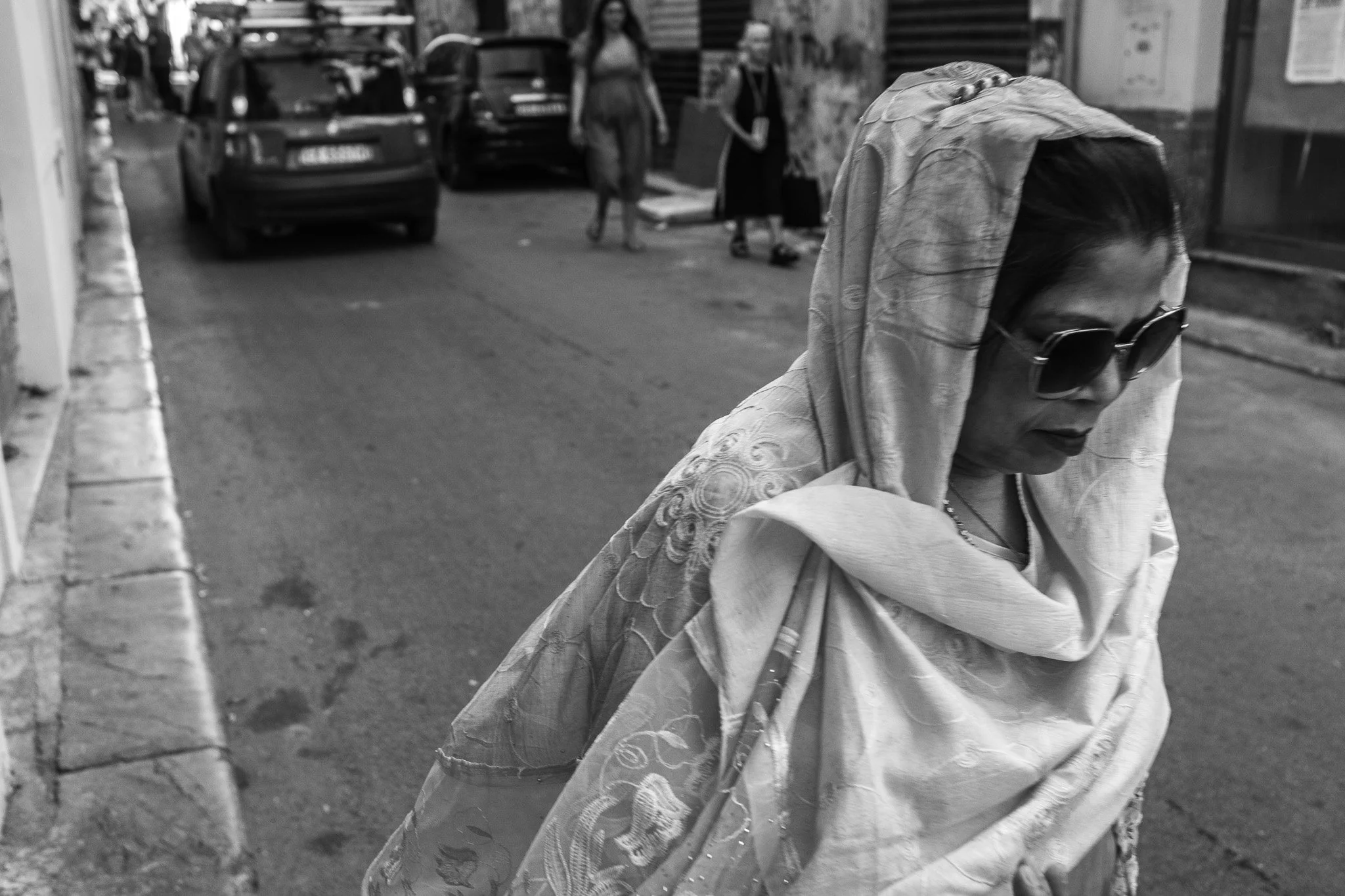
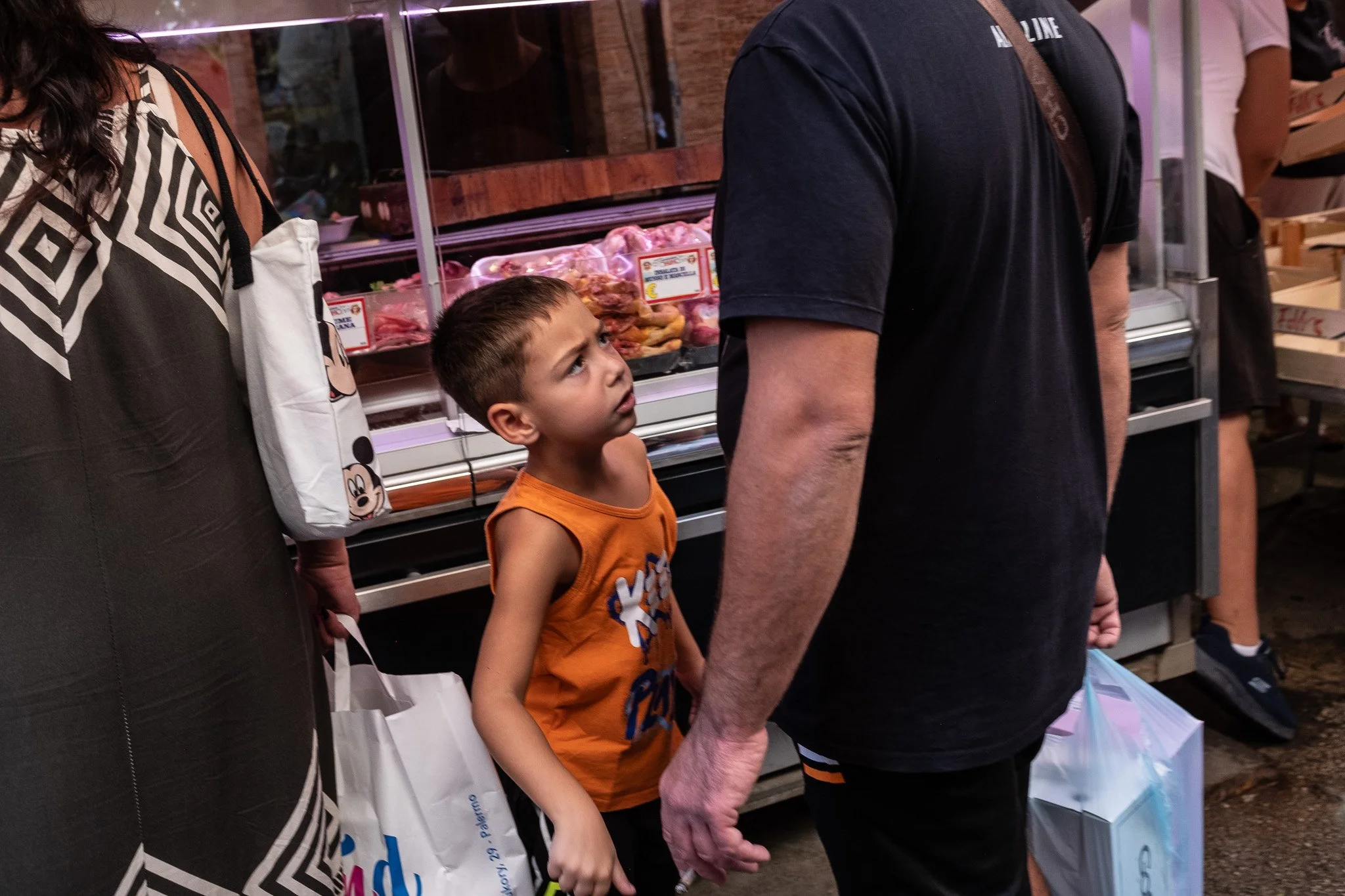
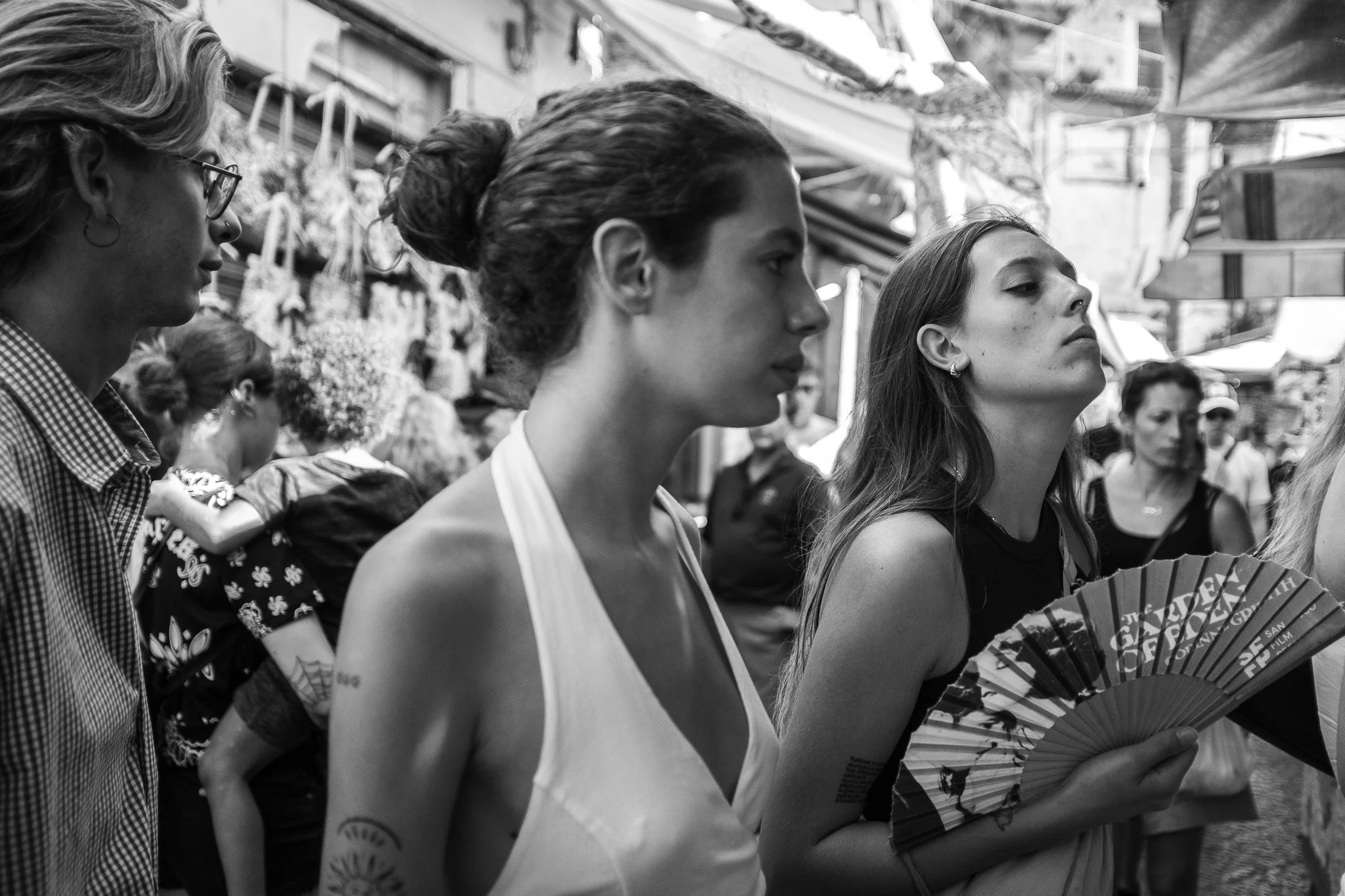
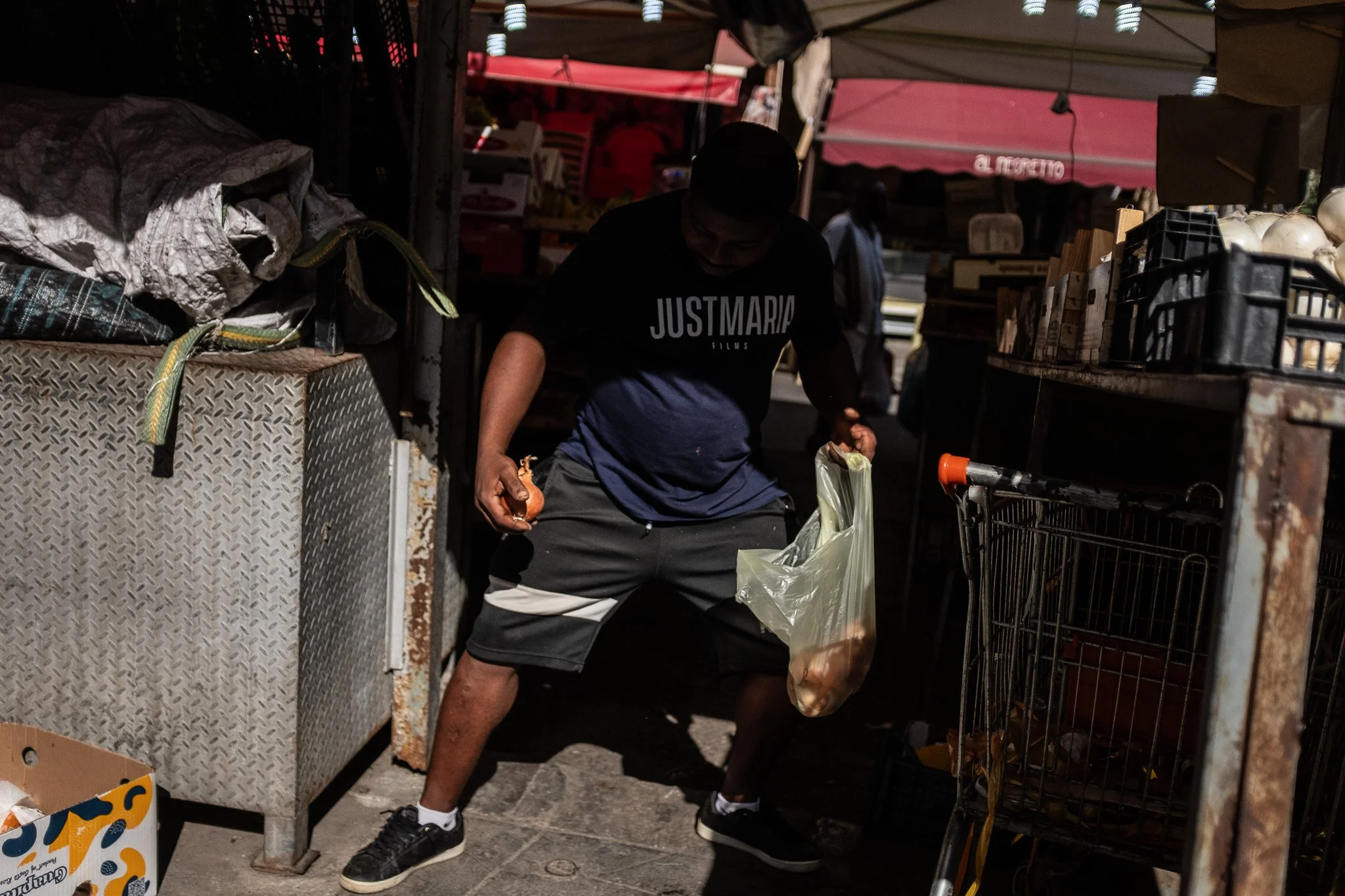
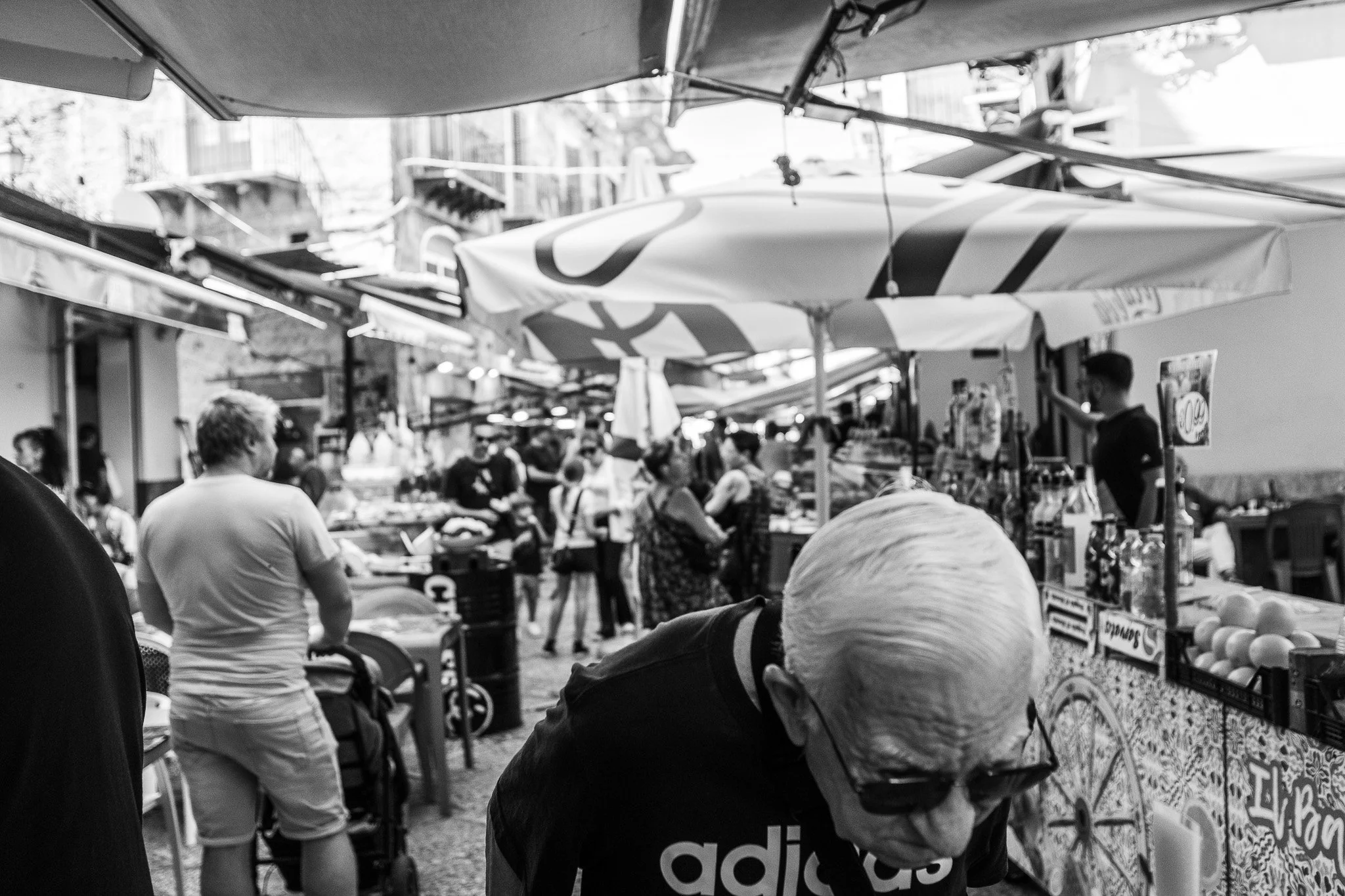
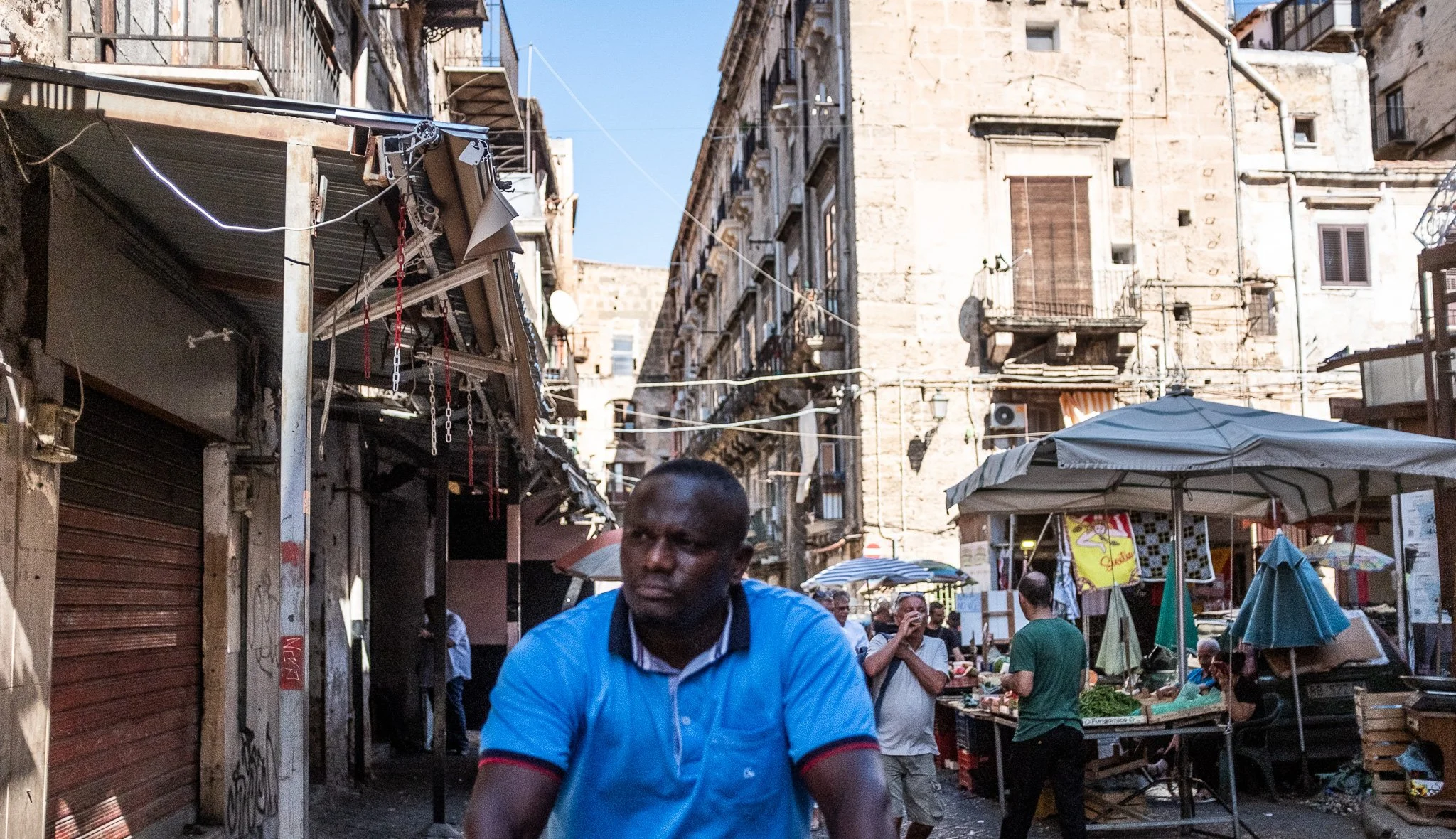
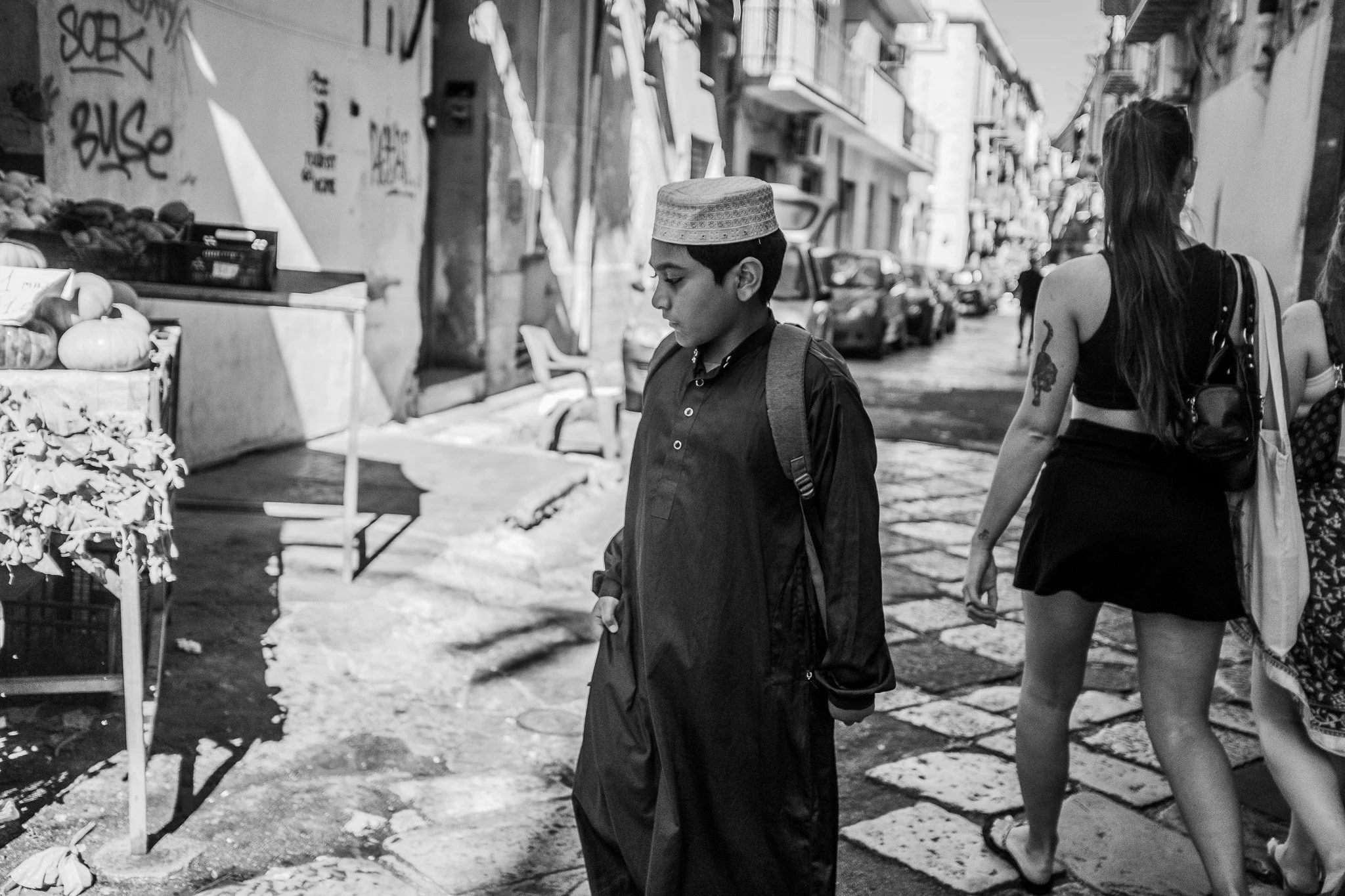
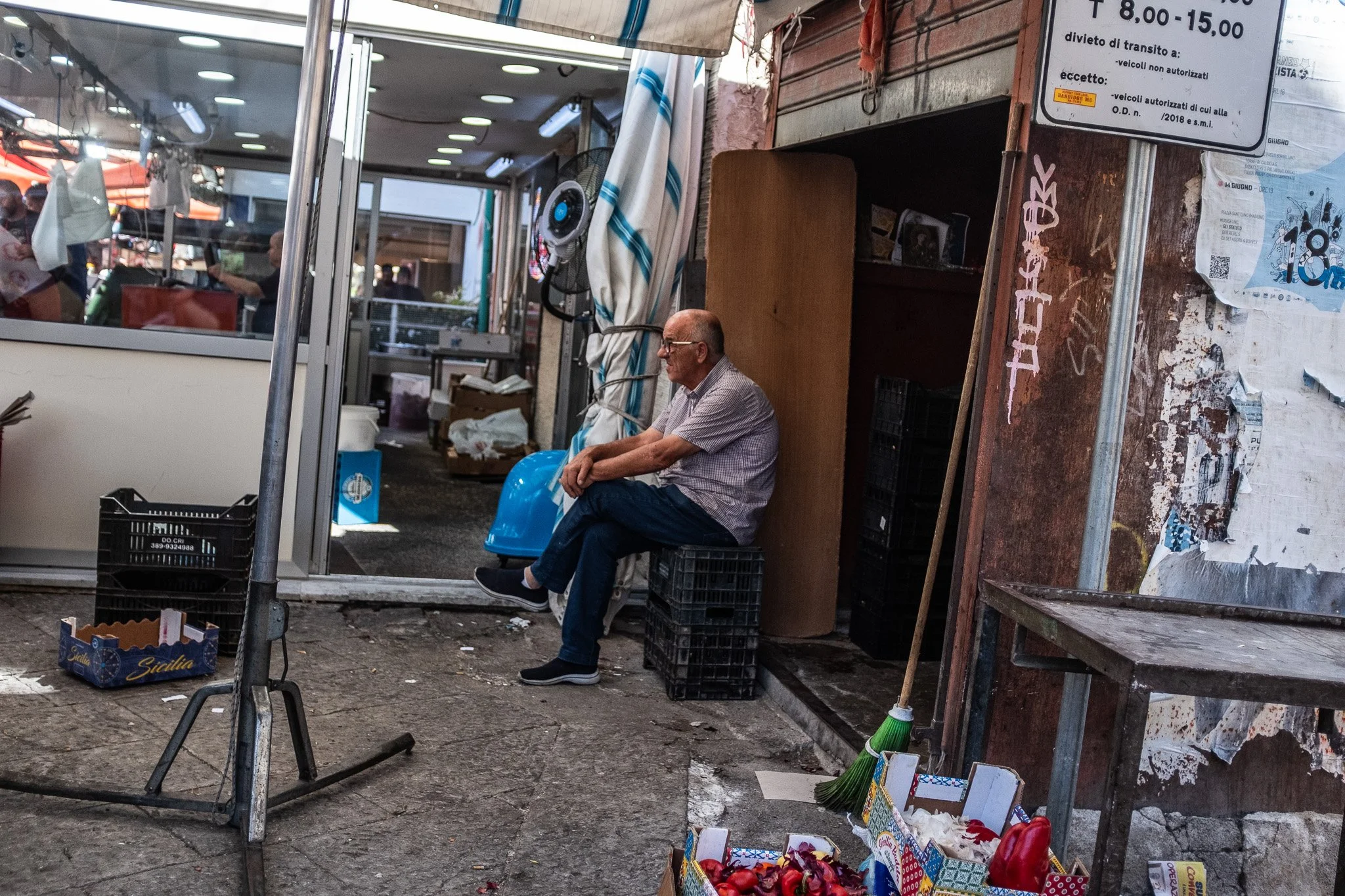
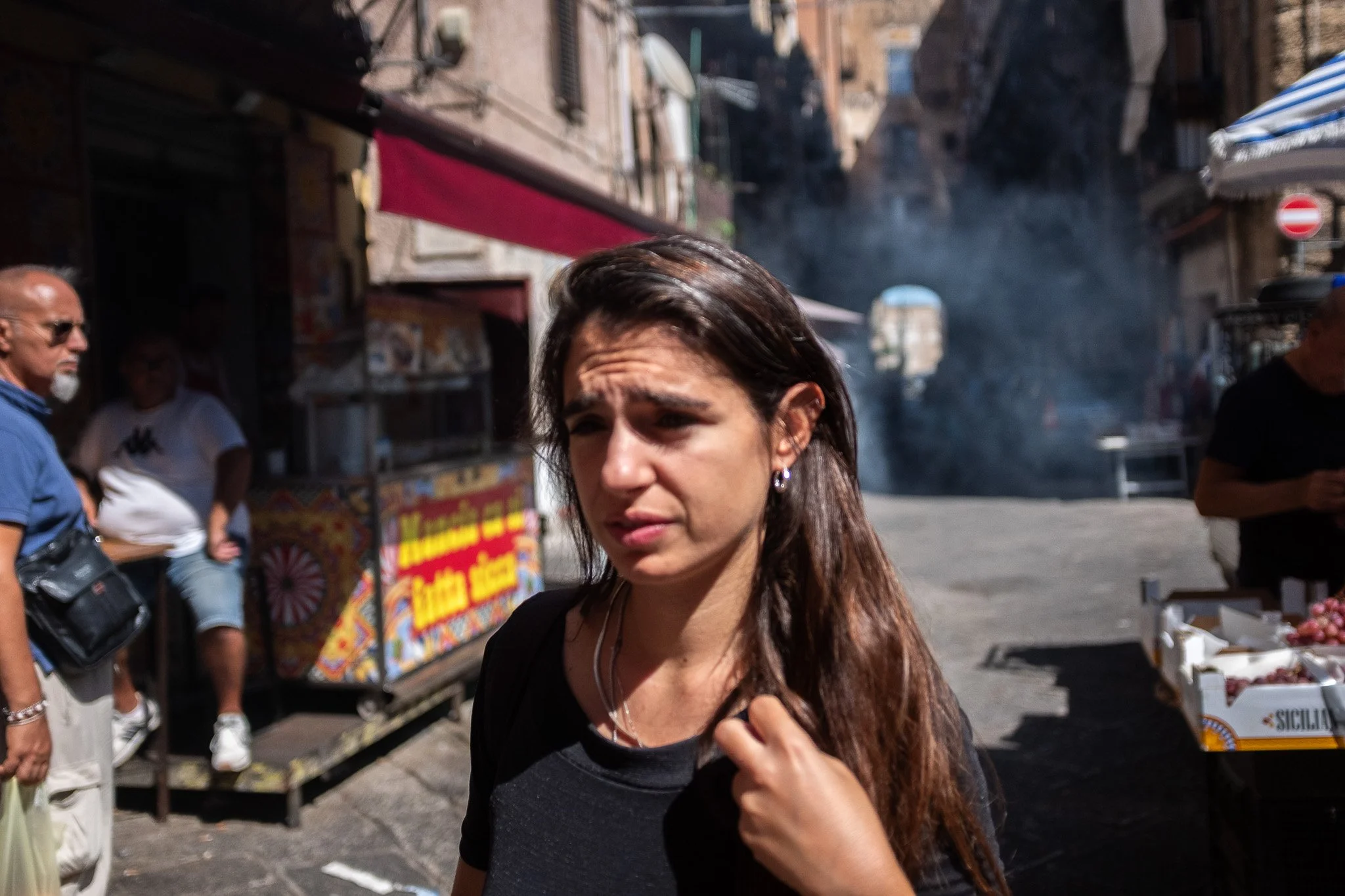
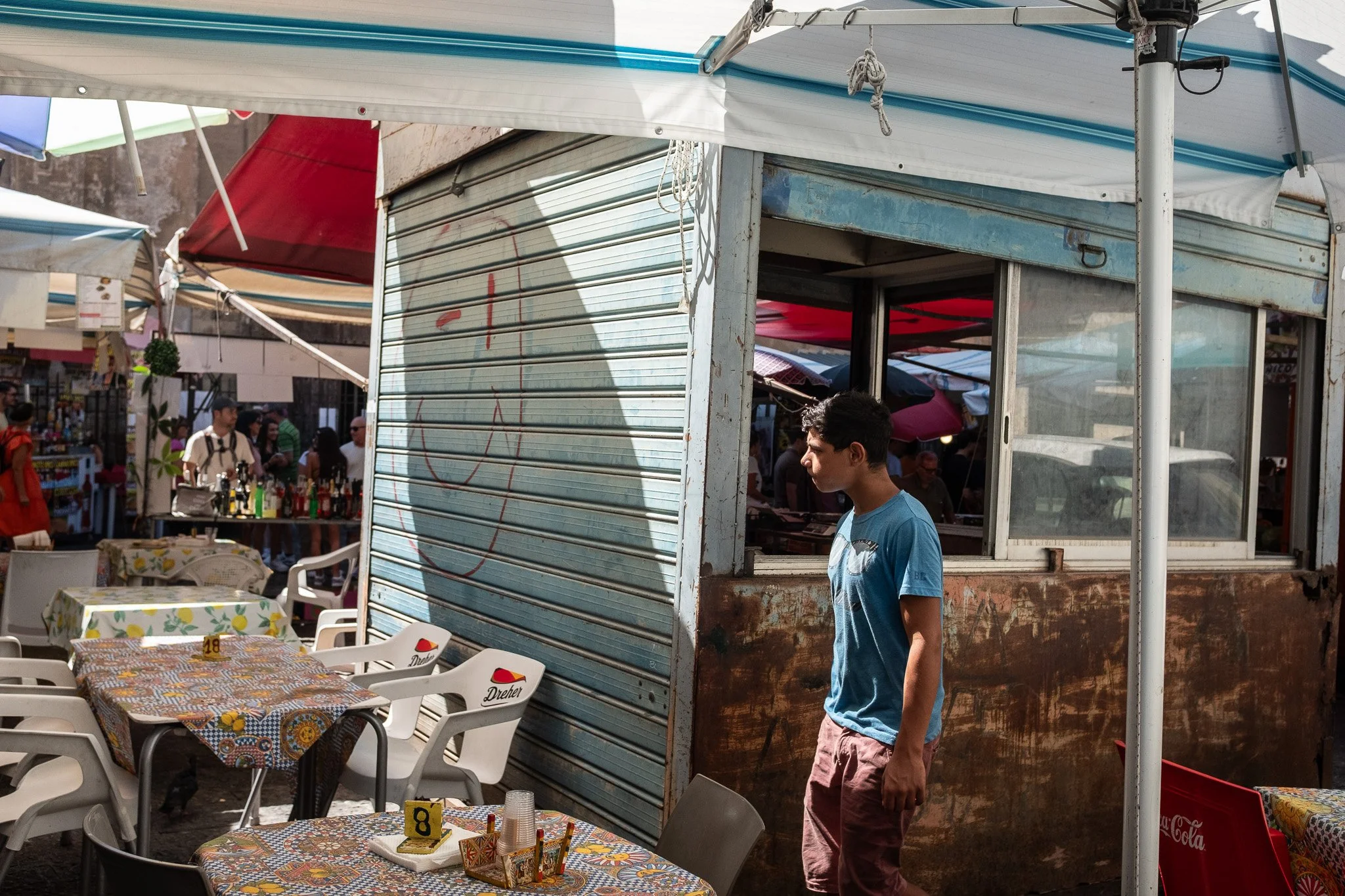
Ballarò has always been a place of mixing. Today, alongside the historic inhabitants, there are migrant communities, university students, precarious workers, and small traders. The market is the beating heart of this coexistence: an open-air theater made up of voices, smells, colors, haggling, and daily rituals, where the boundary between public and private becomes blurred.
In recent years, the neighborhood has undergone profound changes: gentrification, growing tourism, and new commercial and cultural activities have joined the informal economies and traditional practices. Ballarò has thus become a privileged observatory of Palermo's urban transformations, a place that reflects, on a smaller scale, the tensions and possibilities of the contemporary city. More than just a market, Ballarò is a social space complex, where economic, cultural, and human dimensions are constantly intertwined, making it one of the most emblematic and narrative places in Palermo.
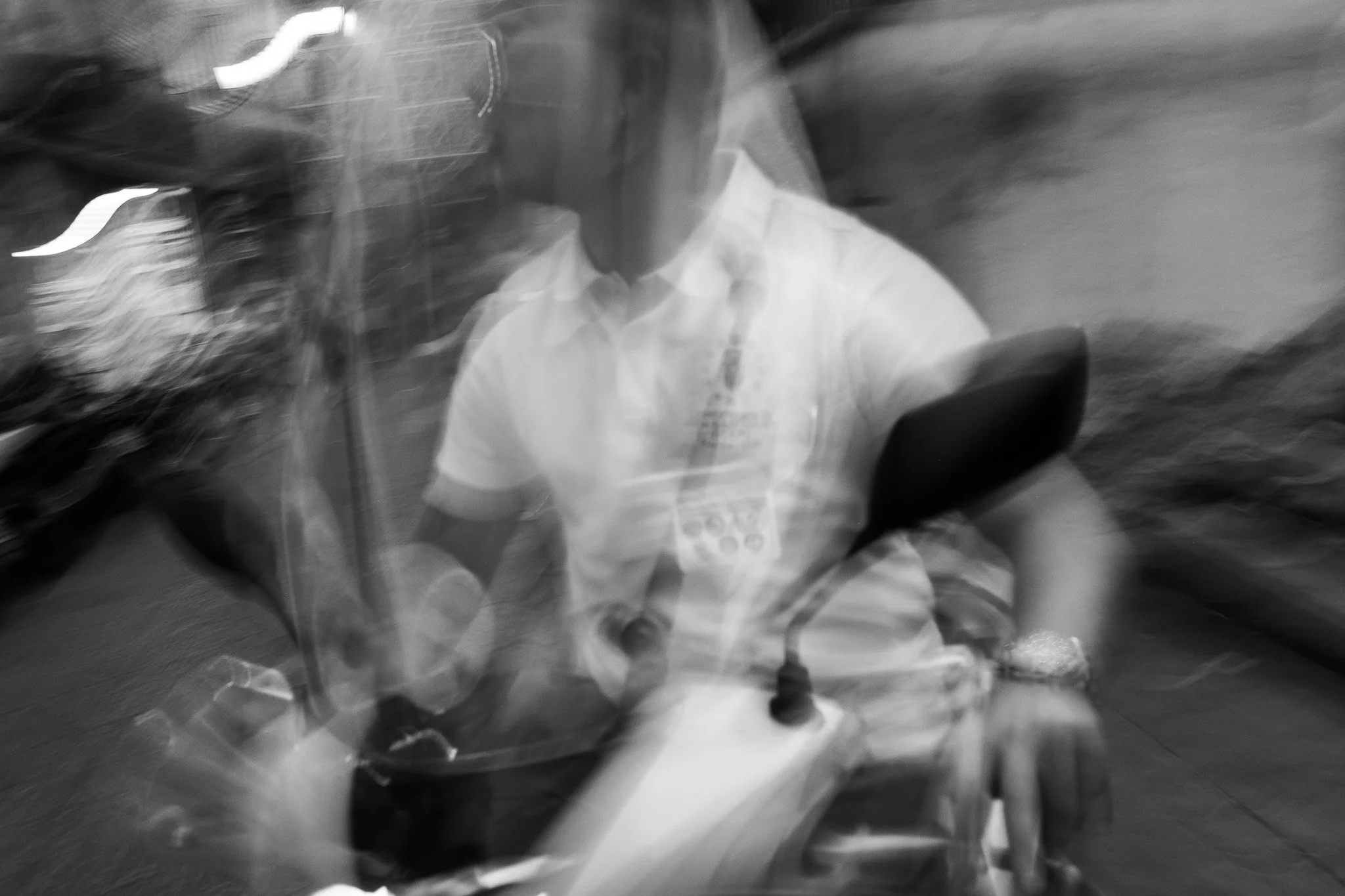
This photographic project is part of a broader reflection on public space as a place of crossing, negotiation, and coexistence between different subjects, cultures, and temporalities.
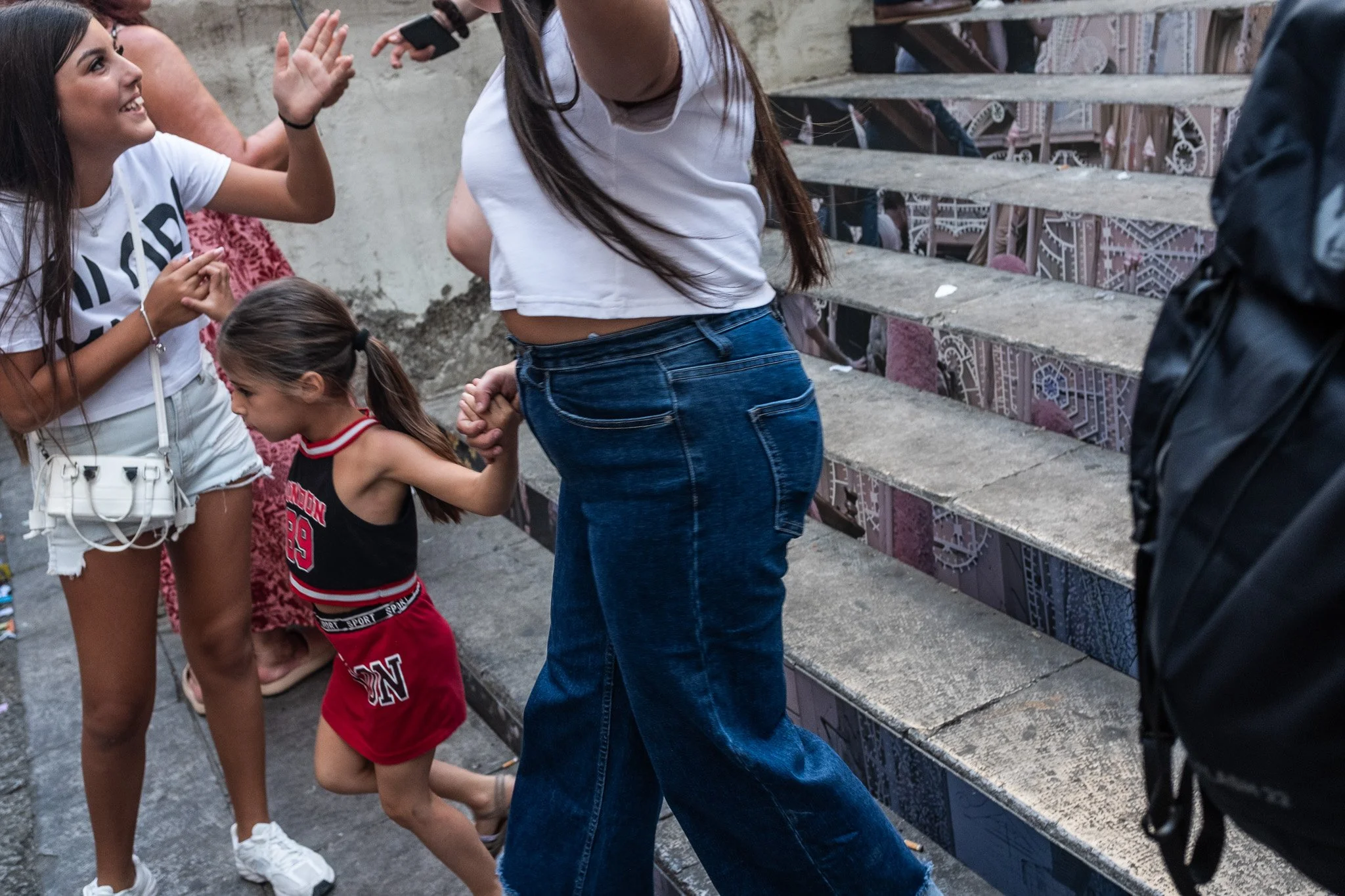
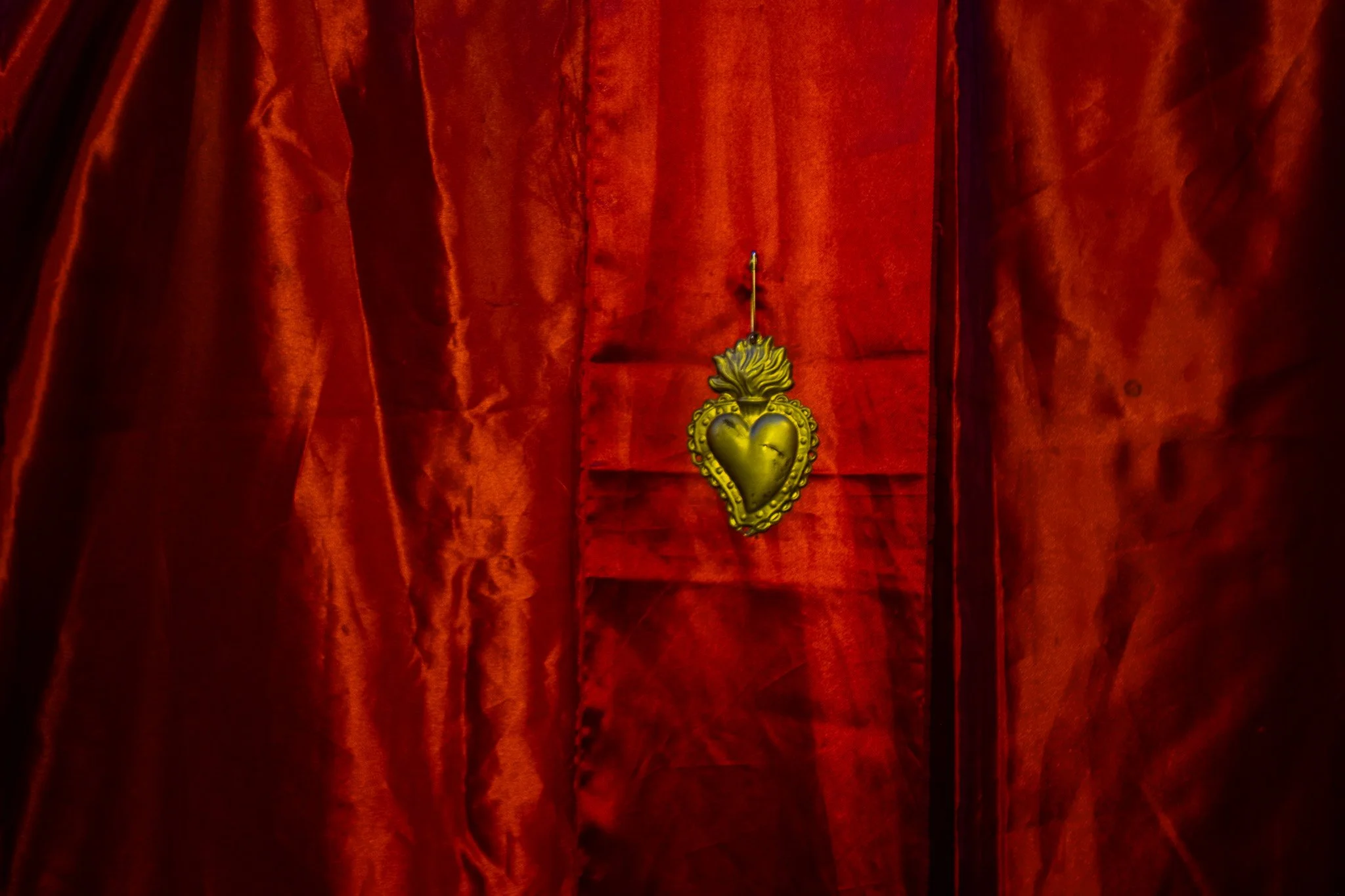
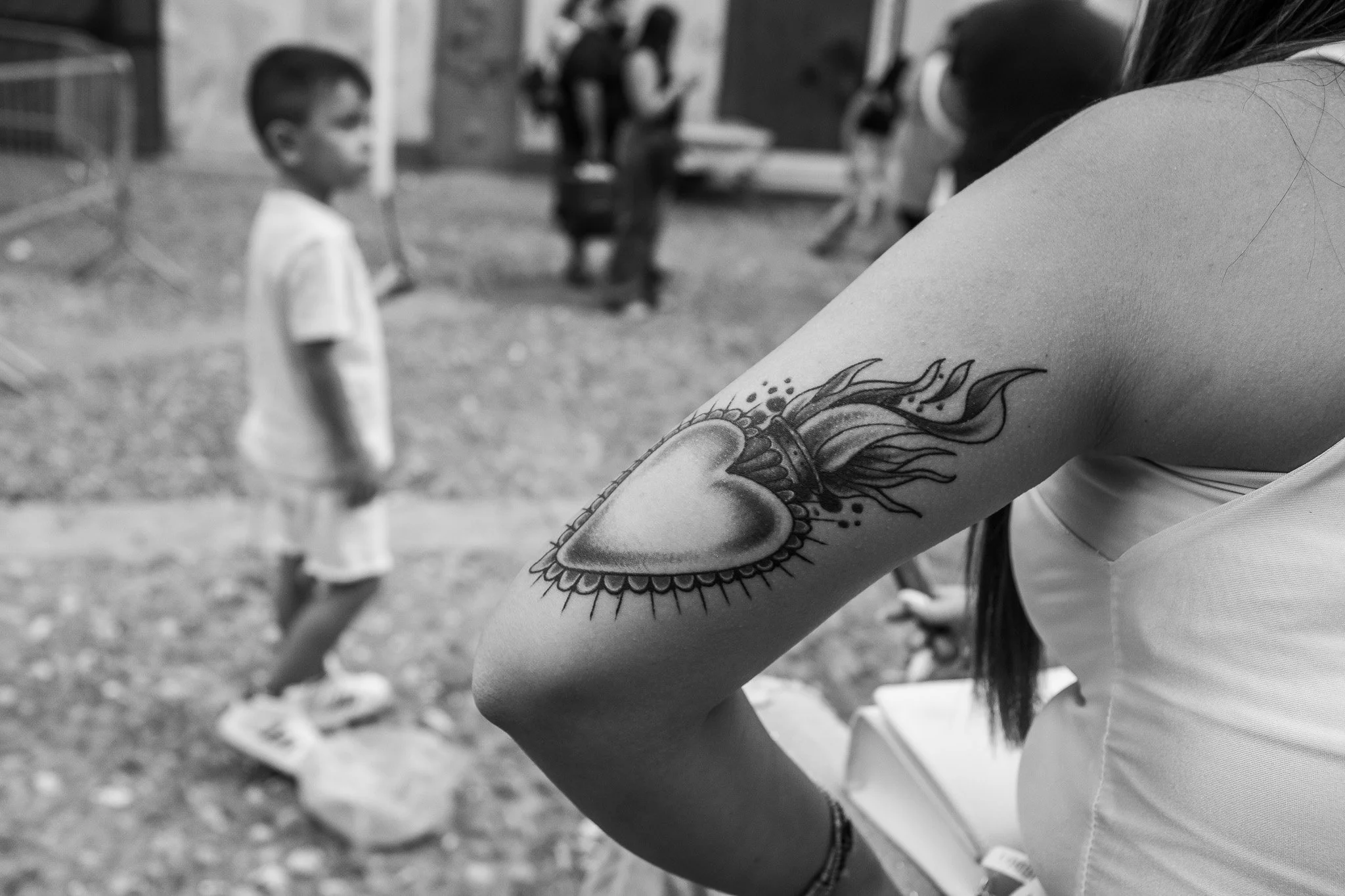
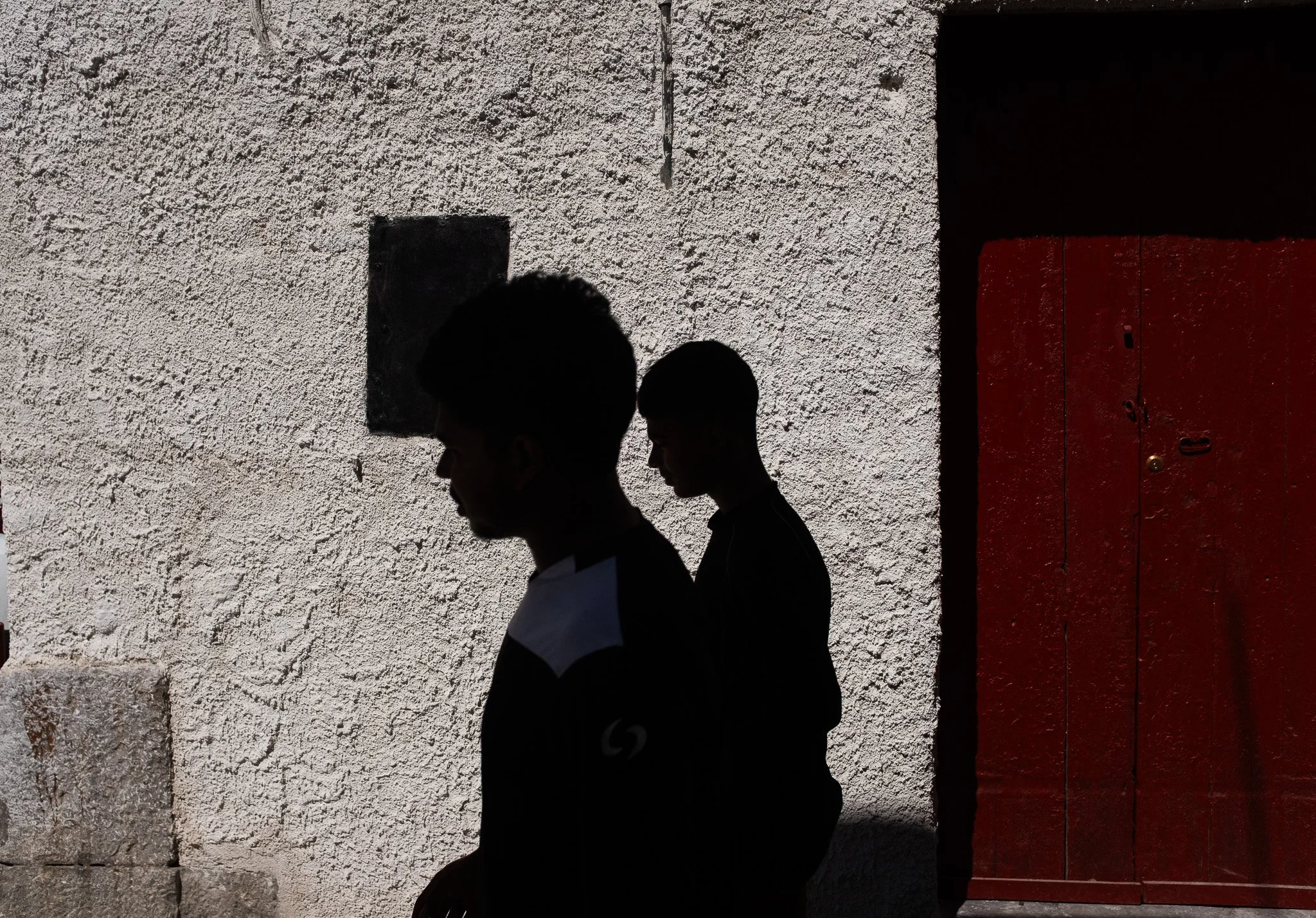
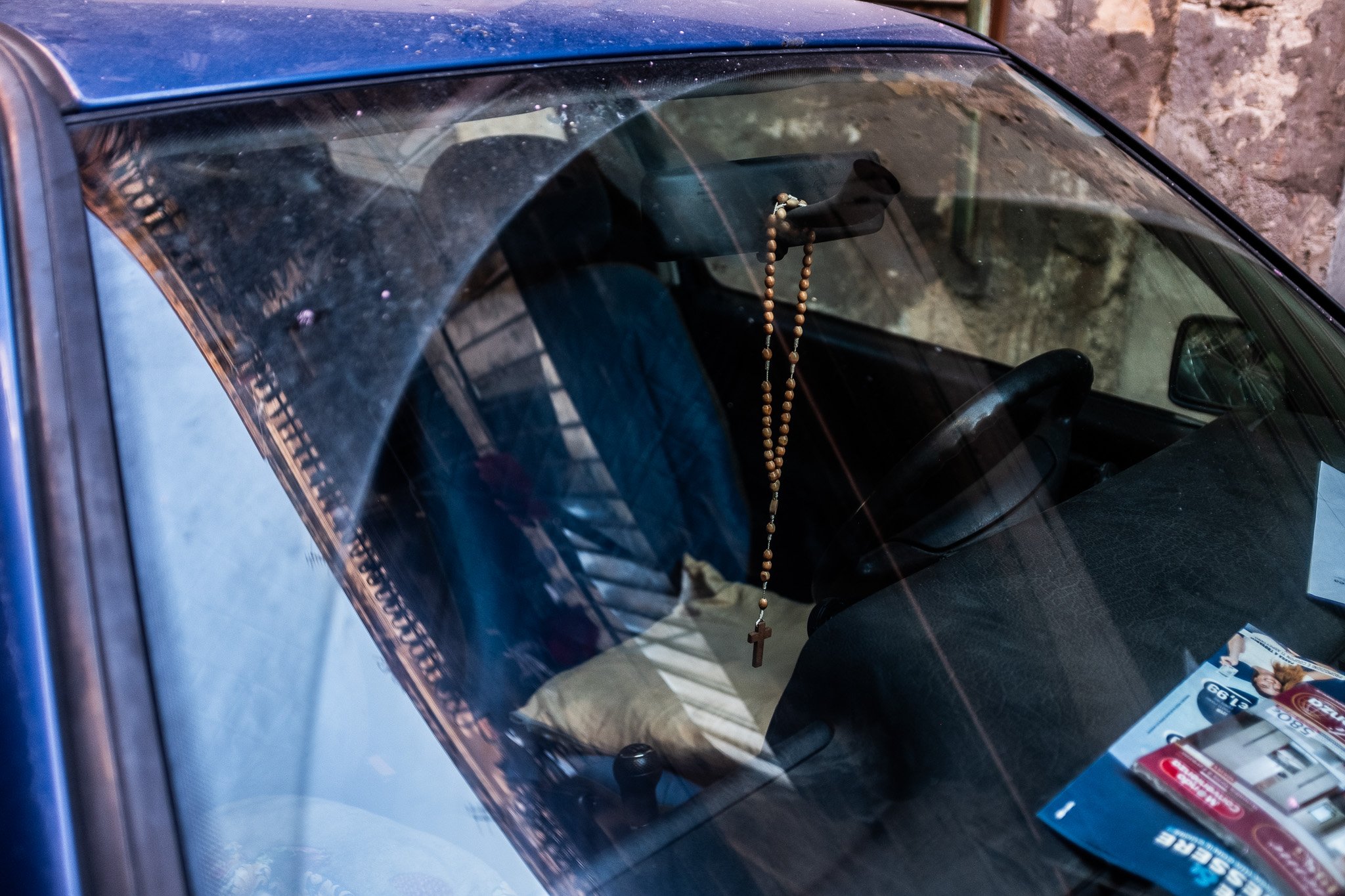
The images do not merely document a place, but question the relationships that constitute it: vendors, residents, migrants, students, and passersby become part of a visual narrative in which the neighborhood emerges as a collective organism, in constant redefinition.Ballarò is thus rendered as a human landscape rather than an architectural one: a territory marked by informal economies, cultural stratifications, and migratory dynamics, in which tradition and transformation coexist without resolution. The project offers a visual interpretation that eschews folkloric rhetoric, favoring a critical and open-minded view of the complexity of reality.
Palermo, 2025